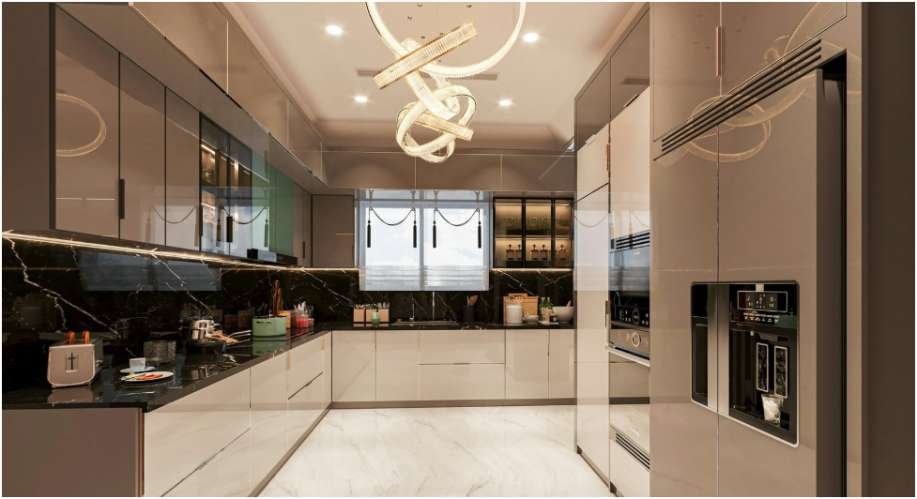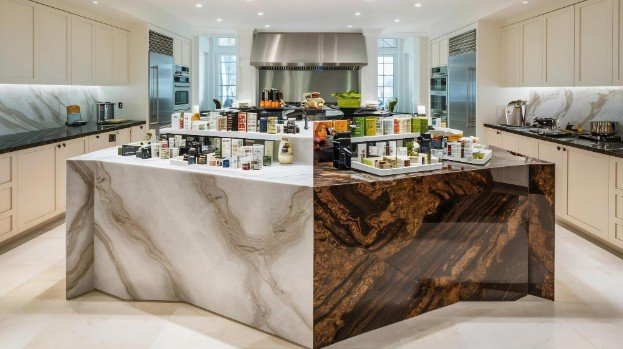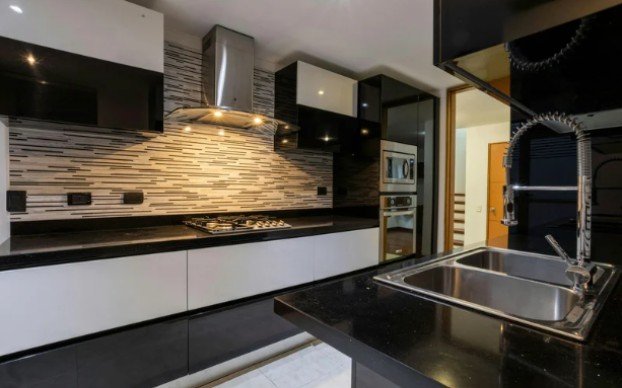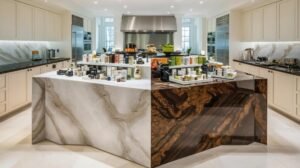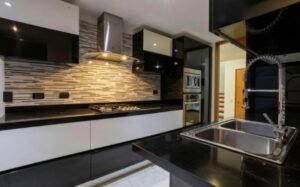
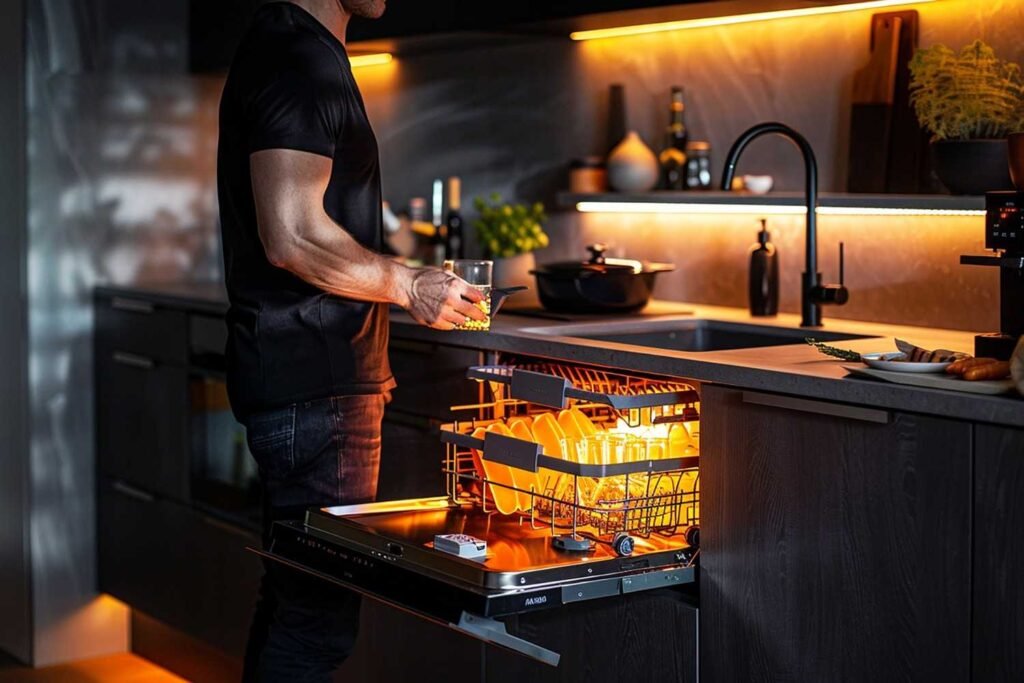
I never realized how loud a dishwasher could feel until I moved into an open-concept home. The kitchen flowed directly into the living room, and suddenly every wash cycle competed with conversations, movie nights, and even Zoom calls. That’s when I started researching the best quiet dishwasher for open kitchen layouts in the USA, and honestly, the difference between an average dishwasher and a truly silent one is massive.
After comparing top-ranking appliance blogs, manufacturer specifications, expert testing reviews, and real homeowner experiences, I noticed one thing immediately: most articles either focused too heavily on technical jargon or simply pushed product lists without explaining what actually matters in a real American home.
So I combined the best insights from all of them into one practical blog that explains what makes a dishwasher genuinely quiet, which models stand out in 2026, and how to avoid wasting money on a machine that still sounds like a small airplane during dinner.
What Noise Level Is Actually Quiet for an Open Kitchen?
Most appliance experts in the USA agree that any dishwasher rated at 44 dBA or lower is considered exceptionally quiet for modern open-floor layouts. Once you move below 42 dBA, the appliance becomes nearly unnoticeable during normal daily activity.
Many of today’s premium models are also designed as energy efficient kitchen appliances, helping homeowners reduce both noise and utility costs at the same time.
To put that into perspective, a standard conversation usually measures around 60 dBA. A dishwasher operating at 40–42 dBA blends into background ambience so effectively that many homeowners rely on floor projection lights just to confirm the appliance is running.
This matters far more in American open-concept homes because kitchens today often connect directly to family rooms, dining areas, or entertainment spaces. Quiet performance has now become just as important as smart features, drying technology, and energy savings when shopping for modern kitchen appliances.
Here’s a quick comparison of what different dishwasher noise levels actually feel like indoors.
| Noise Level | What It Sounds Like | Open Kitchen Experience |
| 50+ dBA | Audible humming and splashing | Distracting during TV or conversation |
| 46–48 dBA | Noticeable but manageable | Acceptable in separated kitchens |
| 44 dBA | Very quiet | Comfortable for open layouts |
| 40–42 dBA | Nearly silent | Ideal for luxury open kitchens |
| 38–39 dBA | Virtually inaudible | Premium-level silence |
Why Bosch Dominates Quiet Dishwasher Rankings

Almost every top-performing USA appliance blog consistently ranks the Bosch 800 Series near the top, and after digging deeper, I completely understand why.
The Bosch 800 Series operates between 40 and 42 dBA depending on the configuration. In real-world use, that means the dishwasher disappears into the background noise of the home.
What impressed me most is how Bosch engineered silence without sacrificing cleaning power. The EcoSilence Drive motor eliminates much of the vibration found in cheaper dishwashers, while the PrecisionWash system continuously scans dishes and adjusts spray intensity automatically.
The CrystalDry system is another reason this model dominates search rankings and homeowner reviews. It heats the interior up to 176°F, allowing plastics, containers, and baby bottles to dry completely without manual towel drying afterward.
For open kitchens specifically, the InfoLight feature becomes surprisingly useful. Since the dishwasher is so quiet, Bosch projects a red light onto the floor to indicate an active cycle.
The Premium Luxury Option That Competes With Bosch
If Bosch represents practical premium performance, the Miele G 7000 Series feels like the luxury European alternative designed for homeowners who want seamless integration.
The Miele G 7000 Series also runs at around 42 dBA, making it ideal for large open living spaces. What separates it is the automation system.
Its AutoDos feature automatically dispenses detergent using the integrated PowerDisk system. Instead of guessing detergent amounts, the dishwasher measures usage precisely for each cycle.
I also found the AutoOpen drying system especially smart for American households. At the end of the cycle, the door automatically opens slightly to release steam and improve airflow. This creates more natural drying without excessive heat exposure.
For homeowners designing modern luxury kitchens, Miele’s fully integrated cabinet-ready designs blend almost invisibly into surrounding cabinetry.
Bosch vs Miele: Which One Is Better?
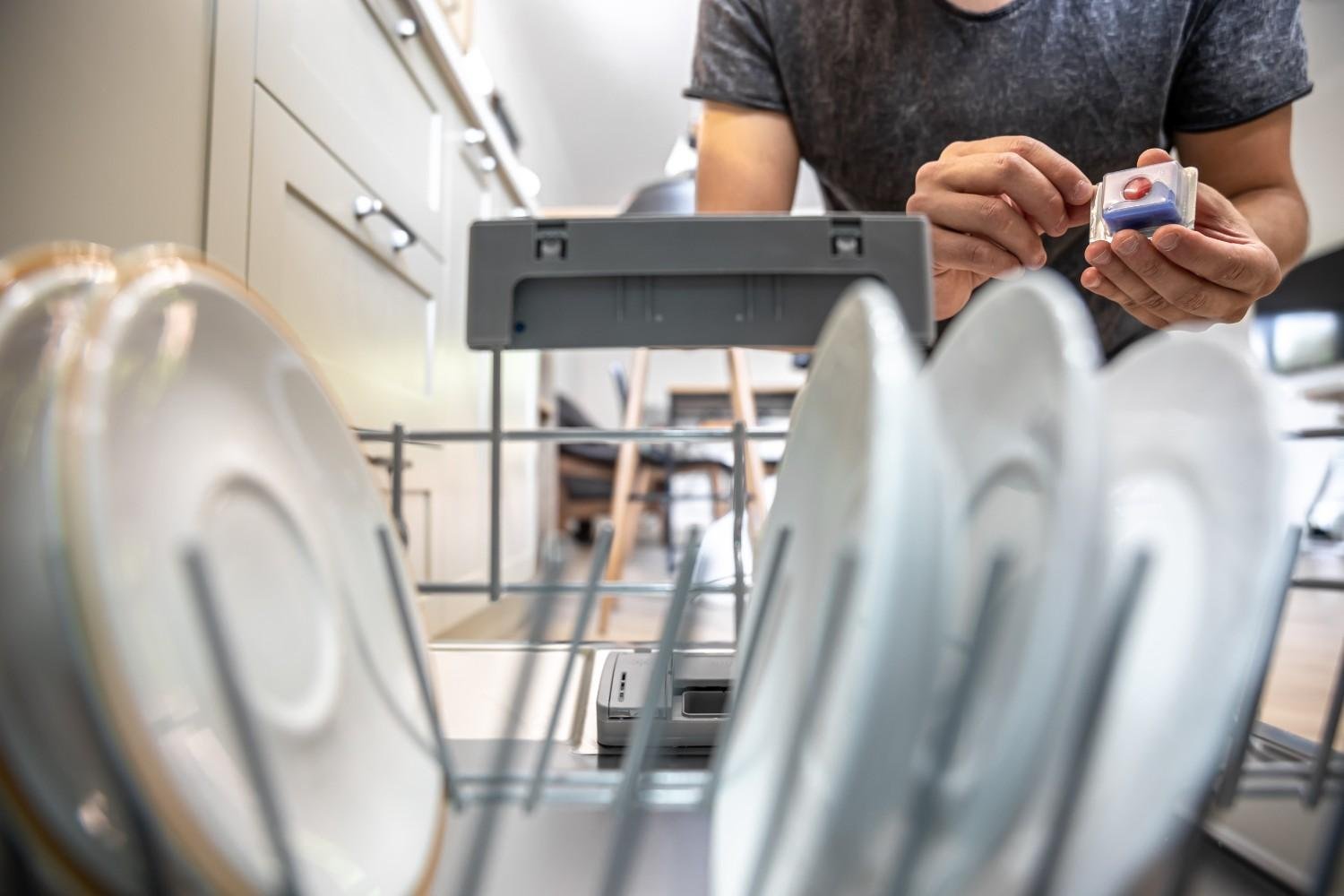
This comparison became one of the most searched sections across ranking blogs, so I wanted to simplify it clearly.
| Feature | Bosch 800 Series | Miele G 7000 Series |
| Noise Level | 40–42 dBA | 42 dBA |
| Drying System | CrystalDry | AutoOpen Drying |
| Capacity | 16 Place Settings | 14 Place Settings |
| Smart Features | Home Connect Wi-Fi | Miele@home Wi-Fi |
| Third Rack | Flexible 3rd Rack | 3D MultiFlex Tray |
| Leak Protection | AquaStop Plus | Waterproof System |
| Best For | Practical performance | Luxury integration |
From my perspective, Bosch delivers better overall value for most American families, while Miele appeals more to high-end custom kitchen remodels.
The Smart Mid-Range Choice Most Buyers Overlook
Not everyone wants to spend premium European-appliance money, and that’s where KitchenAid enters the conversation.
The KitchenAid M Series operates around 44 dBA, which still qualifies as extremely quiet for open-concept layouts. While it does not reach the near-silent territory of Bosch or Miele, it offers excellent balance for families wanting premium features at a more approachable price.
The standout feature here is the FreeFlex Third Rack. Unlike traditional flat utensil racks, KitchenAid designed this upper section deep enough for bowls, mugs, and even smaller glasses.
That flexibility makes a huge difference in busy American households where maximizing load space matters more than luxury branding.
What Most Ranking Blogs Still Fail to Explain
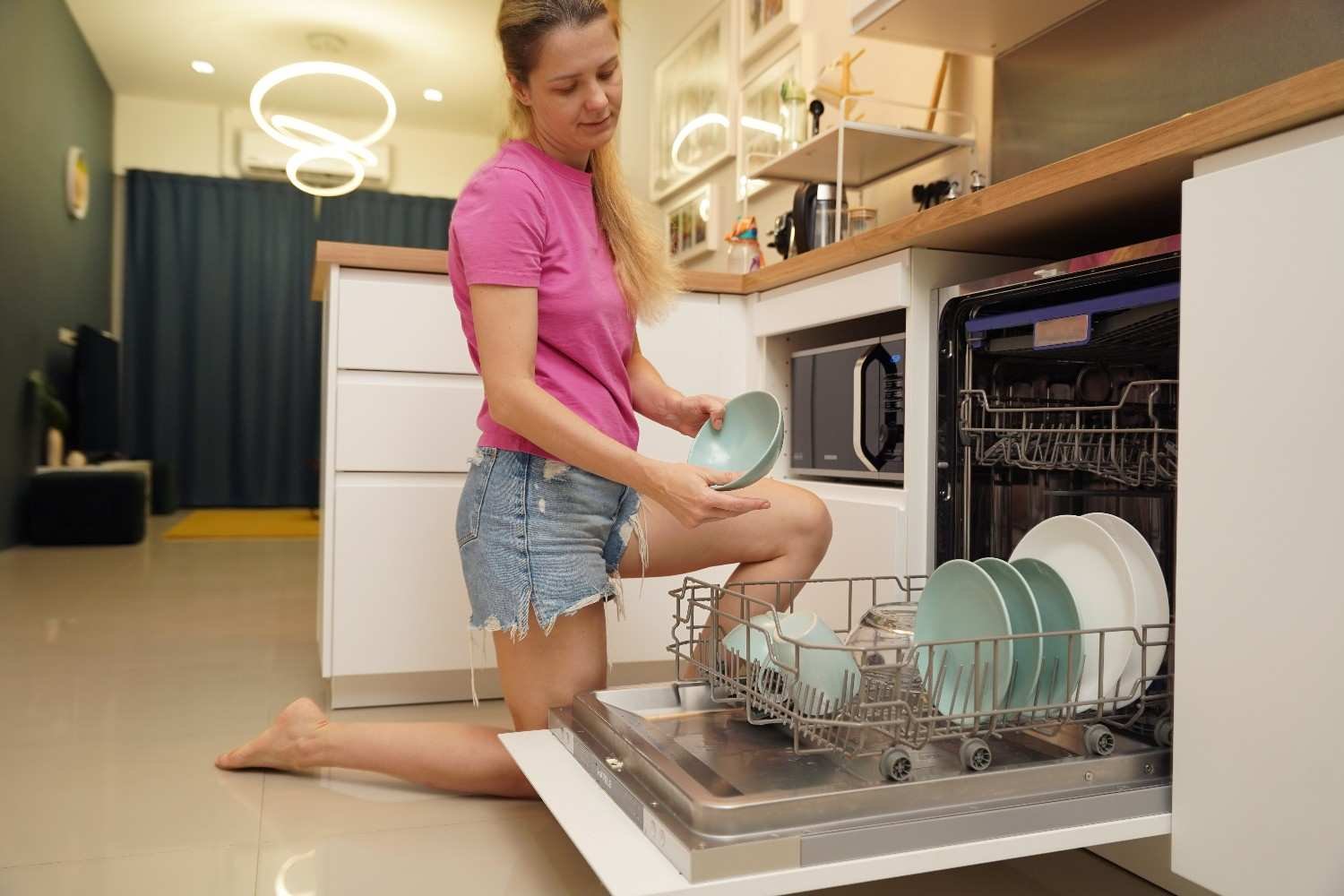
During my research, I noticed many high-ranking articles focused entirely on decibel numbers while ignoring installation quality.
Even the quietest dishwasher can sound louder if installed incorrectly. Poor cabinet insulation, loose mounting brackets, and hard flooring surfaces can amplify vibration dramatically.
That’s why I always recommend looking for these features together:
- Stainless steel interior tubs
- Multi-layer insulation
- Brushless motors
- Flexible mounting systems
- Advanced leak detection
A dishwasher should not just measure quietly in a lab. It should remain quiet in an actual American home with hardwood floors, connected living spaces, pets, kids, and TVs running nearby.
Frequently Asked Questions (FAQs)
1. What is the best dBA for an open-concept kitchen dishwasher?
Most experts recommend 44 dBA or lower. For near-silent operation, 40–42 dBA is considered ideal.
2. Is Bosch quieter than KitchenAid?
Yes. Bosch 800 Series models can operate as low as 40 dBA, while most KitchenAid quiet models operate closer to 44 dBA.
3. Why are luxury dishwashers quieter?
Premium dishwashers use stronger insulation, advanced brushless motors, better rack stabilization, and vibration reduction engineering.
4. Is 44 dBA quiet enough for TV watching?
Yes. A 44 dBA dishwasher should not interfere with normal conversation or television viewing in most American open kitchens.
5. Are panel-ready dishwashers quieter?
They can be. Custom cabinet panels may help absorb additional sound while blending visually into kitchen cabinetry.
Is Spending More for a Quieter Dishwasher Worth It?
In my opinion, absolutely yes for open-concept homes.
The difference between a 50 dBA dishwasher and a 40 dBA dishwasher sounds minor on paper, but daily experience feels dramatically different. Over time, quieter appliances create a calmer environment, especially in homes where kitchens serve as social gathering spaces.
Once I compared premium low-dBA models side by side, I understood why the best-ranking appliance blogs place such heavy emphasis on silence engineering.
If you want the best overall performance, Bosch remains the safest recommendation. If seamless luxury design matters most, Miele is outstanding. If you want strong value with modern flexibility, KitchenAid deserves serious consideration.
And if you are shopping specifically for a quiet dishwasher for open kitchen layouts, staying at or below 44 dBA should be your absolute minimum standard.