I almost chose marble for my kitchen remodel until I watched a friend panic over a red wine stain that never fully disappeared. That single moment pushed me toward researching quartz countertop pros and cons much more seriously. After comparing real kitchens, installation costs, maintenance demands, and long-term durability, I realized quartz solves many everyday problems — but it also comes with a few hidden tradeoffs most showrooms barely mention.
Quartz now dominates modern kitchen renovations across the United States because homeowners want something durable, stylish, and low maintenance. Still, quartz is not perfect for every kitchen setup, especially if you cook with high heat or have large sun-facing windows.
What Quartz Countertops Are Actually Made Of
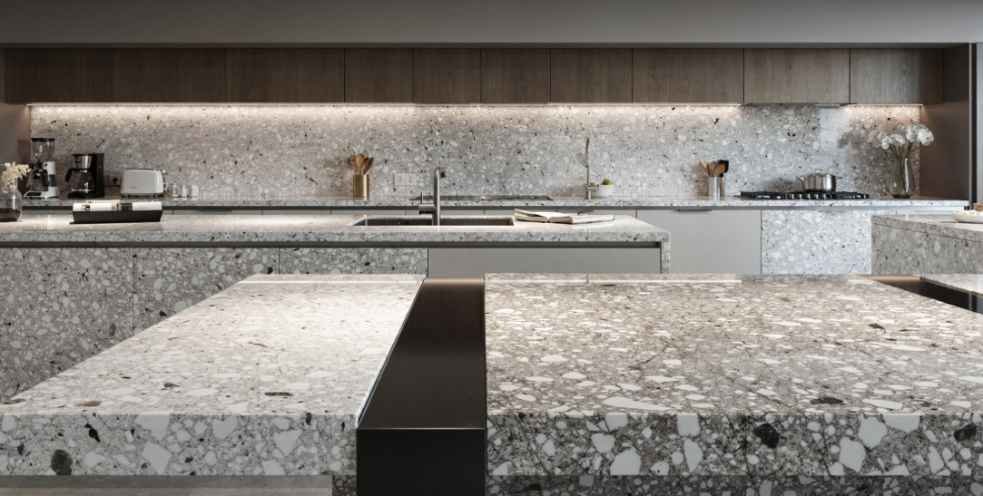
Many people assume quartz countertops are completely natural stone. They are not.
Quartz surfaces are engineered using roughly 90% to 95% crushed quartz minerals combined with polymer resins and pigments. That engineered structure creates a surface that looks luxurious while solving several problems found in granite and marble.
The biggest difference becomes obvious during daily use. Natural stones contain microscopic pores that absorb moisture and stains. Quartz remains fully non-porous because the resin binder seals everything tightly together.
That single characteristic changes maintenance completely.
Quick Quartz vs Natural Stone Comparison
| Feature | Quartz Countertops | Granite or Marble |
| Porosity | Non-porous | Porous |
| Sealing Needed | Never | Every 1–5 years |
| Heat Resistance | Moderate | Excellent |
| Maintenance | Very low | Moderate to high |
| UV Resistance | Poor outdoors | Strong |
| Pattern Consistency | Predictable | Unique natural variation |
| Hygiene | Highly sanitary | Depends on sealing |
The Biggest Advantages of Quartz Countertops
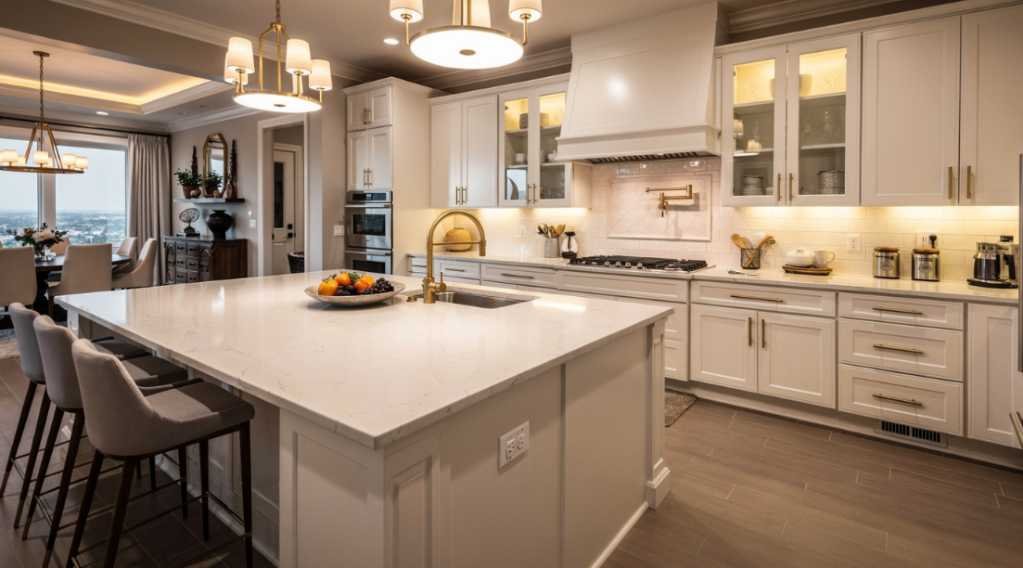
Durability for Daily Kitchens
Quartz scores about 7 on the Mohs hardness scale. That makes it highly resistant to scratches, chips, and cracks during normal kitchen use.
I noticed this advantage immediately while testing samples against common kitchen habits. Granite still performs incredibly well, but quartz feels more forgiving when dealing with dropped utensils, heavy cookware, and constant meal prep.
Families especially benefit from this durability because kids rarely treat countertops gently.
Unlike marble, quartz also resists etching from acidic foods like lemons, vinegar, or tomato sauce.
Stain Resistance and Hygiene
This is where quartz genuinely separates itself from many natural stones.
Coffee spills, wine splashes, cooking oil, turmeric, and pasta sauce usually wipe away easily without leaving permanent discoloration. Since quartz is non-porous, bacteria and mold cannot settle inside microscopic holes.
That makes quartz particularly appealing for households focused on food safety.
The National Sanitation Foundation has even certified several quartz manufacturers for food-contact safety standards.
Easy Maintenance
Maintenance becomes almost boring with quartz, which honestly feels refreshing after owning natural stone.
You do not need sealing products, stone wax, or specialty cleaners. Warm water, mild soap, and a soft cloth handle nearly everything.
Many homeowners upgrading kitchens today also coordinate quartz with modern design elements like brushed brass pulls, matte black faucets, and evolving kitchen cabinet hardware trends because quartz works exceptionally well in contemporary layouts.
The Downsides Most Salespeople Avoid Mentioning
Heat Damage Risks
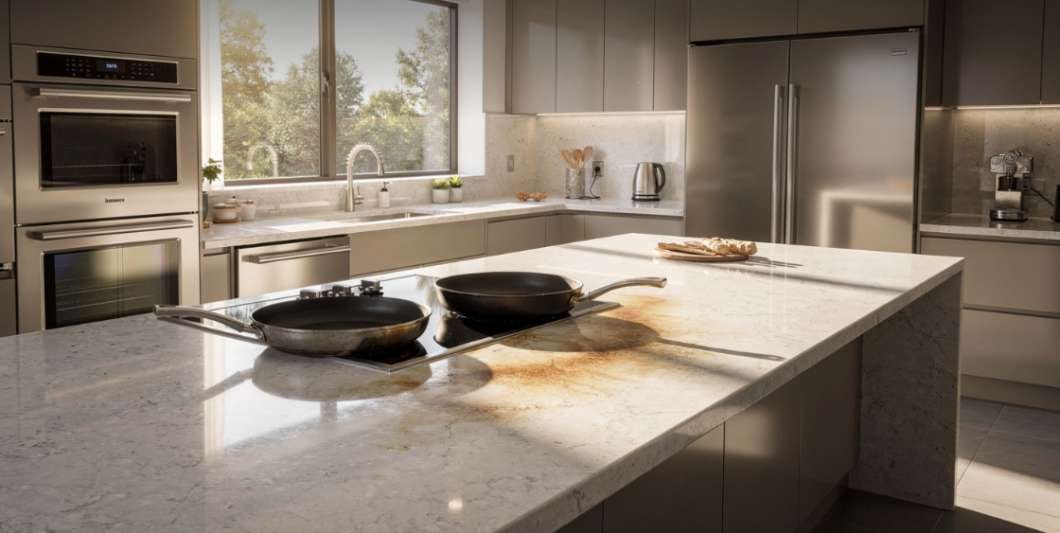
This is the most underestimated quartz weakness.
The quartz minerals themselves tolerate heat well, but the resin binders do not. Temperatures above roughly 150°F to 300°F can permanently scorch the surface or trigger thermal cracking.
I have personally seen countertop discoloration caused by:
- Air fryers
- Crockpots
- Hot cast iron pans
- Portable induction burners
Many homeowners place heat-generating appliances directly onto quartz without realizing the long-term risk.
Using trivets becomes mandatory, not optional.
UV and Sunlight Problems
Quartz struggles badly in outdoor kitchens or rooms with intense direct sunlight.
Over time, UV exposure can yellow lighter surfaces and fade darker pigments. Some resins may even weaken structurally.
Granite performs dramatically better outdoors because natural stone tolerates ultraviolet exposure naturally.
If your kitchen receives aggressive afternoon sun, ask installers specifically about UV-resistant quartz formulas.
Visible Seams and Weight Issues
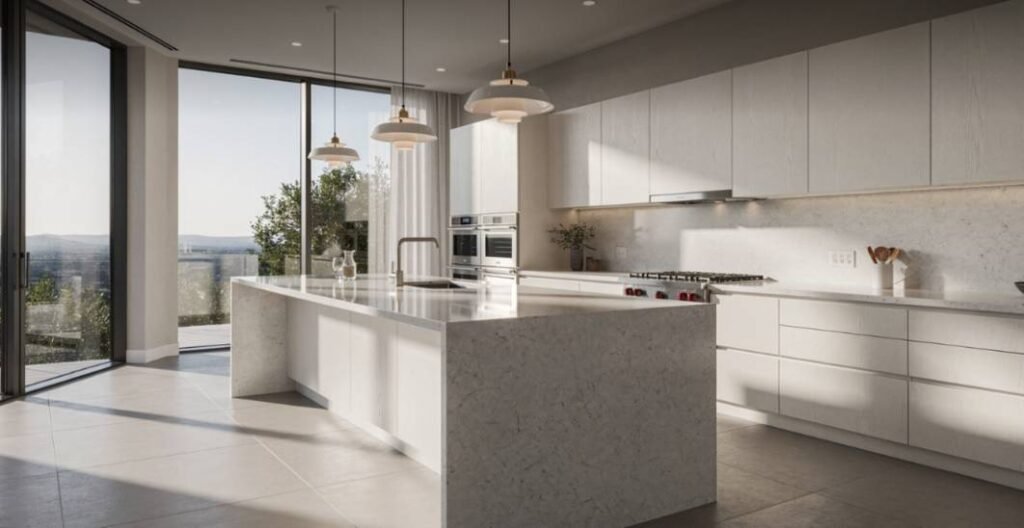
Large kitchen islands usually require seams.
Most installers hide them well, but heavily veined patterns sometimes reveal repetitive artificial movement across slab joints. Once I started noticing this during showroom visits, I could not unsee it.
Quartz is also extremely heavy. Weak subflooring or poorly leveled cabinets create stress points that eventually lead to cracking.
Professional installation matters far more than many homeowners realize.
Best Countertop Colors for White Cabinets
One reason quartz remains so popular is its flexibility with cabinet design.
White cabinetry acts like a blank canvas, allowing homeowners to control the kitchen mood entirely through countertop color choices.
The Bright All-White Look
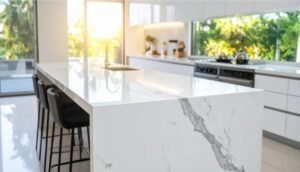
White quartz paired with white cabinets creates a clean, expansive kitchen aesthetic.
Calacatta-inspired quartz remains especially popular because subtle gray veining prevents the kitchen from feeling sterile.
Warm wood flooring or brass hardware helps soften the space visually.
Dramatic High-Contrast Kitchens
Dark quartz creates striking contrast against white cabinetry.
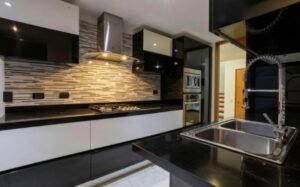
Matte charcoal and deep black finishes give kitchens a grounded “tuxedo” appearance that feels modern without looking trendy.
One thing I noticed repeatedly during showroom visits: glossy black surfaces reveal fingerprints constantly. Matte textures age better visually.
Soft Neutral Countertops
Warm beige, greige, and taupe quartz continue growing in popularity because they hide crumbs, water spots, and daily mess far better than pure white surfaces.
These softer neutrals also bridge earth-toned backsplashes beautifully.
That makes them ideal if you are researching countertop colors for white cabinets but want something less stark than bright white stone.
Warm Organic Finishes
Wood-inspired surfaces and butcher block accents create warmth instantly.
Many remodelers now combine perimeter quartz counters with a wood island centerpiece for texture balance.
The result feels far more inviting than an entirely monochromatic kitchen.
Real Cost Expectations in 2026
Quartz remains a premium investment.
Most installations currently range between $50 and $200 per square foot installed depending on:
- Brand quality
- Slab thickness
- Edge profile
- Fabrication complexity
- Local labor costs
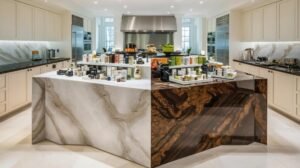
Large waterfall islands increase costs rapidly because fabrication waste rises substantially.
I also noticed premium designer patterns often mimic marble so convincingly that prices approach luxury natural stone territory.
My Honest Take After Comparing Quartz to Granite and Marble
After spending months comparing slabs, installer feedback, and real-world kitchen performance, I understand why quartz dominates modern remodeling projects.
For busy households, quartz removes many of the frustrations tied to natural stone ownership. The stain resistance alone changes how comfortably people use their kitchens daily.
Still, I would never recommend quartz blindly.
If you regularly cook with high heat, love outdoor kitchens, or want completely natural stone character, granite may fit better long term.
Quartz works best for homeowners prioritizing:
- Low maintenance
- Consistent aesthetics
- Hygiene
- Predictable performance
- Modern kitchen styling
FAQs
1. Are quartz countertops better than granite?
Quartz offers lower maintenance and stronger stain resistance. Granite handles heat and sunlight better.
2. Do quartz countertops crack easily?
Not usually. Quartz is highly durable, but improper cabinet support or sudden thermal shock can cause cracking.
3. What is the biggest problem with quartz countertops?
Heat damage remains the most common issue. Direct contact with hot cookware may permanently discolor the surface.
4. What are the best countertop colors for white cabinets?
Popular options include bright white quartz, soft greige, charcoal black, warm beige, and wood-inspired surfaces.
5. Are quartz countertops worth the money?
For many homeowners, yes. The low maintenance and durability often justify the higher upfront cost.
Your Kitchen Deserves Better Than Regret
Kitchen trends change constantly, but countertop regret lasts for years.
After comparing real kitchens, installer experiences, and long-term maintenance realities, I think quartz succeeds because it makes everyday life easier. You clean less, stress less, and spend less time worrying about stains or sealing schedules.
Just do not ignore the heat limitations.
If you treat quartz like an indestructible surface, disappointment comes quickly. But if you understand both sides of the equation, quartz can easily become one of the smartest upgrades in your entire kitchen remodel.