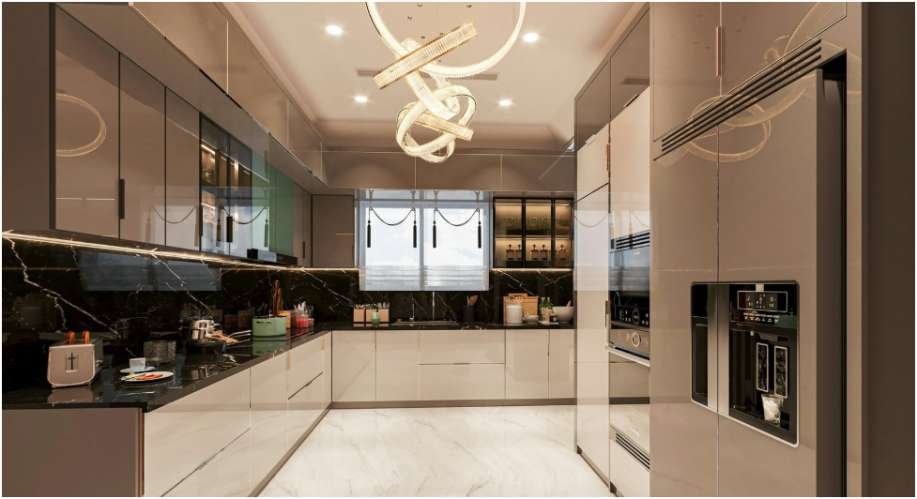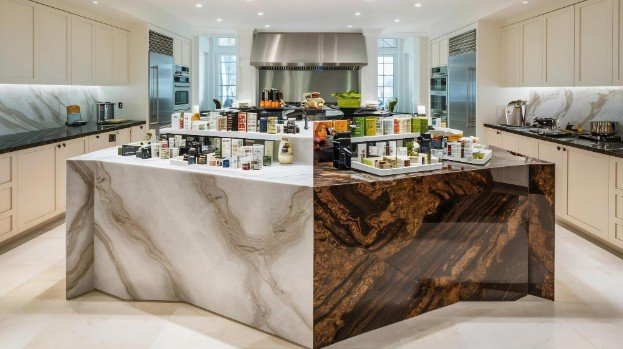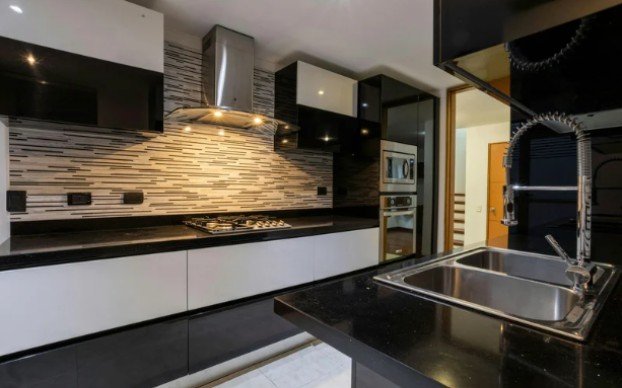
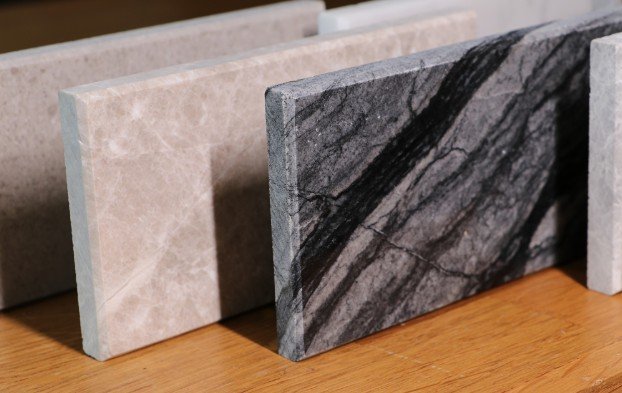
I quickly realized how difficult it was to choose the right countertop finish. Every showroom looked beautiful under bright lights, but living with stone every day is completely different from admiring it for five minutes in a store. That is exactly why I spent weeks comparing texture, maintenance, durability, fingerprints, and long-term appearance before making a final decision.
The biggest debate I kept running into was Leathered Granite vs Polished Granite. Both finishes look stunning, but they create completely different kitchen experiences. One offers a modern textured appearance that hides messes well, while the other delivers a glossy luxurious shine that instantly brightens a room.
If you are trying to decide which granite finish works best for your kitchen, this guide breaks down everything you actually need to know before investing in new countertops.
What Is Leathered Granite?
Leathered granite has a textured matte surface created by brushing the stone with specialized tools. The process removes the glossy finish while still preserving the natural color and movement inside the slab.
Many homeowners love leathered granite because it feels warm, natural, and slightly rustic without looking outdated. The texture also adds depth that makes darker granite colors appear richer and more dramatic.
One major advantage I noticed immediately is how well leathered granite hides fingerprints, water spots, crumbs, and smudges. Busy kitchens benefit greatly from this finish because the countertops stay cleaner-looking throughout the day. Leathered granite works especially well with:
- White shaker cabinets
- Modern farmhouse kitchens
- Dark cabinetry
- Industrial-inspired spaces
- Natural wood kitchens
What Is Polished Granite?
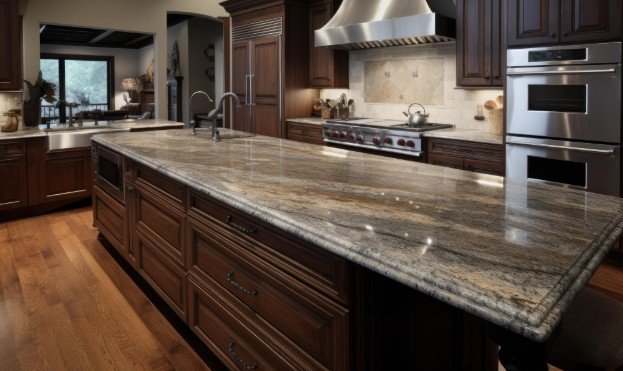
Polished granite has the classic glossy surface most people recognize immediately. The stone gets buffed until it develops a reflective shine that highlights color variation, veining, and natural crystal patterns.
This finish remains incredibly popular because it creates a clean, elegant, and luxurious appearance. Lighter kitchens especially benefit from polished granite because the reflective surface helps bounce light throughout the room.
I noticed polished granite instantly makes kitchens feel brighter and more refined. If your goal is a timeless upscale design, polished finishes continue dominating many luxury remodels. Polished granite pairs beautifully with:
- Contemporary kitchens
- Bright open-concept spaces
- White quartz-style kitchens
- Traditional cabinetry
- High-end modern interiors
Appearance Differences That Matter
The visual contrast between these finishes becomes obvious immediately. Leathered granite creates a softer, textured appearance with a more organic feel. Instead of reflecting light sharply, it absorbs light and creates subtle depth across the countertop surface.
If your kitchen already contains glossy backsplashes, stainless appliances, or reflective flooring, leathered granite can help balance the room visually. On the other hand, polished granite works beautifully when you want a brighter and more luxurious atmosphere.
Cleaning and Daily Maintenance
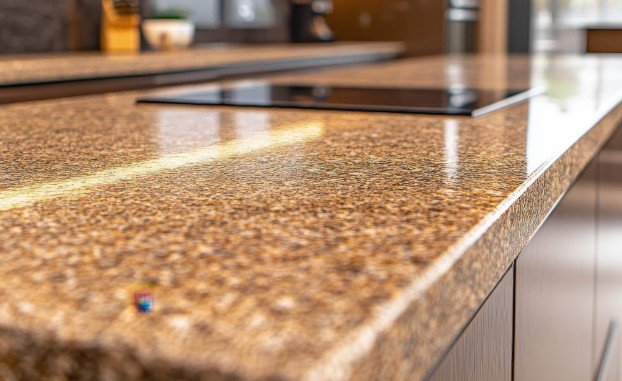
Daily maintenance becomes extremely important once real cooking begins. Leathered granite performs surprisingly well in busy kitchens because the textured surface disguises fingerprints, streaks, and water spots. Families with children often appreciate this benefit immediately.
However, crumbs and dust can sometimes settle into the texture slightly more than on polished surfaces. I found microfiber cloths and soft brushes work best for quick cleanup. Polished granite wipes clean very easily because of its smooth surface. A damp cloth usually removes spills quickly without much effort.
The downside is visibility. Smudges, fingerprints, grease, and water rings appear faster on polished finishes, especially under bright kitchen lighting. Both finishes still require periodic sealing depending on the granite type and usage level.
Durability and Scratch Resistance
Granite itself remains extremely durable regardless of finish. Both options resist heat, scratches, and heavy kitchen activity better than many countertop materials. That said, the finish changes how wear appears over time. Leathered granite tends to hide minor scratches and etching more effectively because the textured surface naturally disguises imperfections.
Polished granite can show scratches, dull spots, and water marks more visibly under direct lighting. Dark polished granite especially reveals fingerprints and tiny marks faster than leathered alternatives. For high-traffic family kitchens, durability perception often favors leathered finishes simply because everyday wear stays less noticeable.
Cost Comparison
Pricing depends heavily on granite rarity, slab thickness, edge profile, and regional availability. However, leathered granite often costs slightly more because the texturing process requires additional labor.
In many kitchen showrooms, leathered finishes carry a premium compared to polished slabs from the same stone collection. Still, homeowners increasingly choose leathered granite because the lower-maintenance appearance offsets the slightly higher installation cost.
If resale value matters, both finishes remain desirable. Polished granite appeals to buyers seeking timeless luxury, while leathered granite attracts homeowners wanting a modern designer-style kitchen.
Which Finish Works Better for Your Lifestyle?
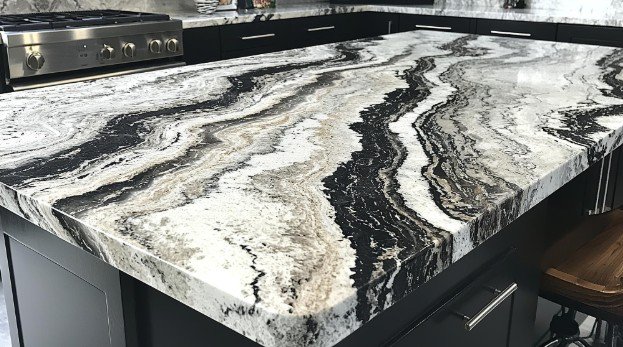
Lifestyle honestly matters more than trends. If your kitchen handles constant cooking, kids, pets, and heavy daily traffic, leathered granite may feel easier to live with. The finish hides messes well and creates a softer modern appearance.
If you prefer bright elegant kitchens with reflective surfaces and dramatic stone patterns, polished granite remains incredibly attractive. The glossy finish still delivers the classic luxury many homeowners want.
After seeing both in real kitchens rather than showroom lighting, I realized the decision comes down to maintenance tolerance and overall design style more than durability alone.
Frequently Asked Questions
1. Is Leathered Granite vs Polished Granite better for busy kitchens?
Leathered granite usually performs better in busy kitchens because it hides fingerprints, crumbs, and water spots more effectively.
2. Does polished granite scratch easily?
Granite itself remains highly durable, but polished finishes can show scratches and dull marks more visibly under bright lighting.
3. Which granite finish costs more?
Leathered granite often costs slightly more because the texturing process adds extra labor during manufacturing.
4. Does leathered granite need sealing?
Yes. Both leathered and polished granite should be sealed periodically depending on the stone type and kitchen usage.
Final Thoughts
After comparing both finishes carefully, I realized there is no universal winner. The better option depends entirely on how you use your kitchen every day.
Leathered granite creates a softer, lower-maintenance, modern appearance that works beautifully in active homes. Polished granite delivers timeless elegance, dramatic shine, and a brighter overall atmosphere.
For me, understanding daily maintenance made the biggest difference. A countertop may look stunning in a showroom, but living with it long-term changes everything. Once you match the finish to your cooking habits, cleaning preferences, and kitchen style, the decision becomes much easier.
Meta Title: Leathered Granite vs Polished Granite Secrets
Meta Description: