I started researching countertop materials for a kitchen remodel, I thought the decision would be easy. I assumed one material would clearly outperform the other in every category. Instead, I quickly realized why so many homeowners struggle with choosing between quartz and granite.
Both countertops look stunning. Both increase home value. Both can completely transform a kitchen. But after comparing pricing, durability, maintenance, and long-term performance, I discovered that the better choice depends more on lifestyle than trends.
Some people want a surface that needs almost no maintenance. Others care more about natural beauty and heat resistance. That is exactly why the debate around Quartz vs Granite Countertops: Which Is Better? continues to dominate kitchen remodeling discussions. If you are planning a remodel, this guide explains the real differences in the simplest possible way.
What Makes Quartz Countertops So Popular?
Quartz countertops are engineered surfaces made using crushed quartz combined with resins and pigments. Unlike natural stone slabs, quartz offers a more controlled and consistent appearance.
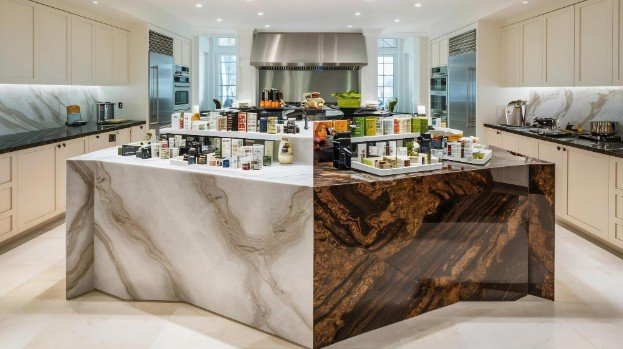
One thing I immediately noticed while studying kitchen remodel trends is how often designers now recommend quartz for modern kitchens. Clean white finishes, dramatic veining, and waterfall islands have made quartz extremely popular in contemporary homes.
Another major reason homeowners choose quartz is the low-maintenance surface. Since quartz is non-porous, it resists stains much better than many natural stones. Coffee spills, oil splatters, wine, and sauces usually wipe away without much effort. Quartz also does not require routine sealing, which saves time and maintenance costs over the years.
Benefits of Quartz Countertops
Quartz offers excellent stain resistance, strong scratch resistance, and consistent patterns that work beautifully in modern kitchens. It also comes in a wide range of colors and styles, making it easier to match different kitchen pantry cabinets and flooring choices. Families with busy kitchens often prefer quartz because daily cleanup stays simple.
Drawbacks of Quartz Countertops
Quartz handles normal kitchen wear extremely well, but direct heat can become a problem. Placing a very hot pan directly on the surface may damage the resin materials inside the countertop. That means trivets and heat pads are still important.
Why Granite Countertops Still Have Strong Demand
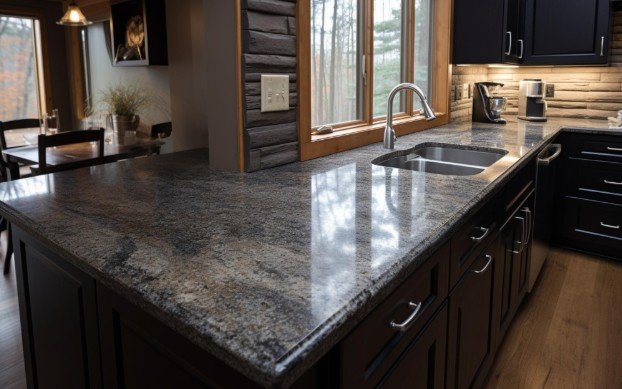
Granite countertops remain incredibly popular because they offer something quartz cannot fully replicate: completely natural beauty. Every granite slab comes directly from natural stone, which means no two countertops ever look identical. Some slabs feature bold veining, while others showcase deep mineral movement and rich color variation.
I personally think granite creates a warmer and more luxurious feel in kitchens that lean traditional, rustic, or farmhouse-inspired. Granite also performs exceptionally well against heat. Homeowners who cook frequently often appreciate the ability to place hot cookware on granite with fewer concerns compared to quartz.
Benefits of Granite Countertops
Granite offers outstanding heat resistance and natural uniqueness. Many homeowners also believe natural stone adds a timeless character that never goes out of style. Because each slab differs naturally, granite countertops often feel more exclusive and visually dramatic.
Drawbacks of Granite Countertops
Granite usually requires sealing to help prevent stains and moisture absorption. Lighter granite colors may become vulnerable to oils or dark liquid stains if the seal weakens over time. Maintenance requirements are slightly higher compared to quartz.
Cost Differences Between Quartz and Granite
Pricing often surprises homeowners during remodeling projects. Basic granite slabs sometimes cost less initially, while rare or exotic granite patterns can become extremely expensive. Quartz pricing usually stays more predictable because it is manufactured rather than quarried naturally.
However, countertop pricing involves much more than just the slab itself. Sink cutouts, edge profiles, backsplash installation, demolition, some plumbing adjustments, delivery fees, and labor all impact the final project cost.
I learned very quickly that small upgrades can raise remodeling budgets faster than expected. Premium edges, oversized islands, and waterfall designs increase costs significantly regardless of material choice.
Durability and Everyday Kitchen Performance
Durability matters even more than appearance once you begin using the kitchen daily. Quartz performs extremely well against stains, moisture, and scratches. This makes it ideal for families who want a surface that stays easy to clean without constant upkeep.
Granite performs better under high heat conditions. It also works better in outdoor kitchens because natural stone handles temperature changes more effectively than engineered quartz surfaces. When I compared long-term performance, I realized quartz offers convenience, while granite delivers stronger natural durability against heat.
Cleaning and Long-Term Maintenance
Maintenance requirements often become the deciding factor for homeowners. Quartz countertops are extremely easy to maintain. Mild soap and water usually handle everyday cleaning without issues. Since the material remains non-porous, bacteria and moisture have a harder time penetrating the surface.
Granite requires slightly more care. Sealing helps maintain stain resistance and protects the stone from moisture damage. Many homeowners researching Quartz vs Granite Countertops: Which Is Better? eventually lean toward quartz because they prefer a simpler cleaning routine.
Design Styles and Visual Appeal
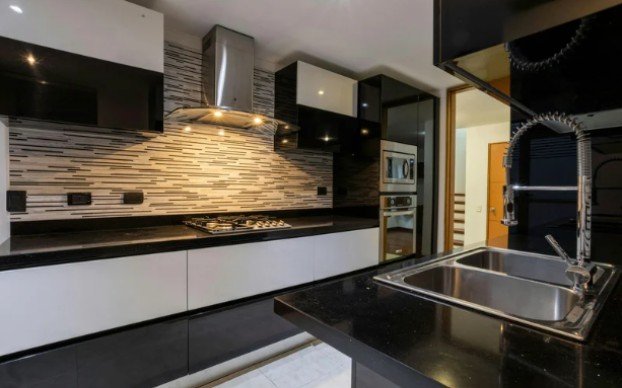
Granite remains a favorite in kitchens focused on natural textures and organic design. The movement and depth found in natural granite create a visual richness that engineered materials sometimes struggle to imitate. I also noticed darker granite surfaces pair beautifully with wood cabinetry and warm interior tones.
Which Countertop Fits Your Lifestyle Better?
Quartz often works better for homeowners who want:
- Minimal maintenance
- Strong stain resistance
- Modern kitchen aesthetics
- Consistent patterns
- Easier daily cleanup
Granite often works better for homeowners who want:
- Natural stone beauty
- Better heat resistance
- Unique slab patterns
- Outdoor kitchen durability
- Traditional luxury appeal
The better option depends entirely on how your kitchen functions every day.
Frequently Asked Questions
1. Which countertop lasts longer?
Both quartz and granite can last for decades when maintained properly. Granite may have a slight edge in lifespan because it is fully natural stone, but quartz performs extremely well in everyday kitchens.
2. Can hot pans damage quartz?
Yes. Extreme heat can damage quartz surfaces because of the resin materials used during manufacturing. Heat pads and trivets help prevent damage.
3. Does granite need regular sealing?
Most granite countertops benefit from periodic sealing to maintain stain resistance and moisture protection.
4. Is quartz easier to clean?
Yes. Quartz usually requires less maintenance because the surface stays non-porous and highly stain resistant.
5. Quartz vs Granite Countertops: Which Is Better?
Quartz usually performs better for low-maintenance living and modern kitchen styles, while granite offers superior natural beauty and stronger heat resistance.
What I Learned After Comparing Both Countertops
After researching both materials extensively, I realized there is no perfect countertop for everyone. The right choice depends on cooking habits, cleaning preferences, kitchen style, and long-term expectations.
For homeowners who want simplicity and easier maintenance, quartz often feels like the smarter long-term investment. But for people who love natural materials, dramatic patterns, and stronger heat resistance, granite still delivers unmatched character.
What helped me most was focusing less on trends and more on real daily use. Once I started thinking about how the kitchen would actually function every day, choosing the right countertop became much easier.