A lot of older kitchens were built to impress people visually. Dark wood finishes, carved cabinet doors, decorative trim, and oversized hardware were once considered signs of a premium home. But over time, many homeowners started realizing those details looked heavier than practical. They collected grease, trapped dust, and made kitchens feel smaller than they actually were.
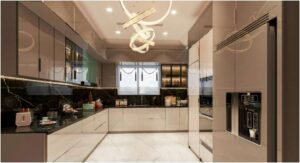
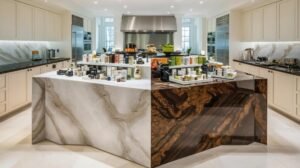
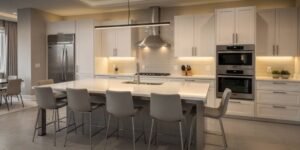
Modern kitchen cabinets changed that experience completely. Instead of treating the kitchen like a formal room hidden behind walls, newer layouts treat it as part of daily living. People cook while talking to family, helping kids with homework, or hosting friends around the island. That shift in lifestyle is one of the biggest reasons modern kitchen cabinets are replacing traditional kitchen designs in so many remodels today.
Modern Kitchens Are Built Around Daily Function
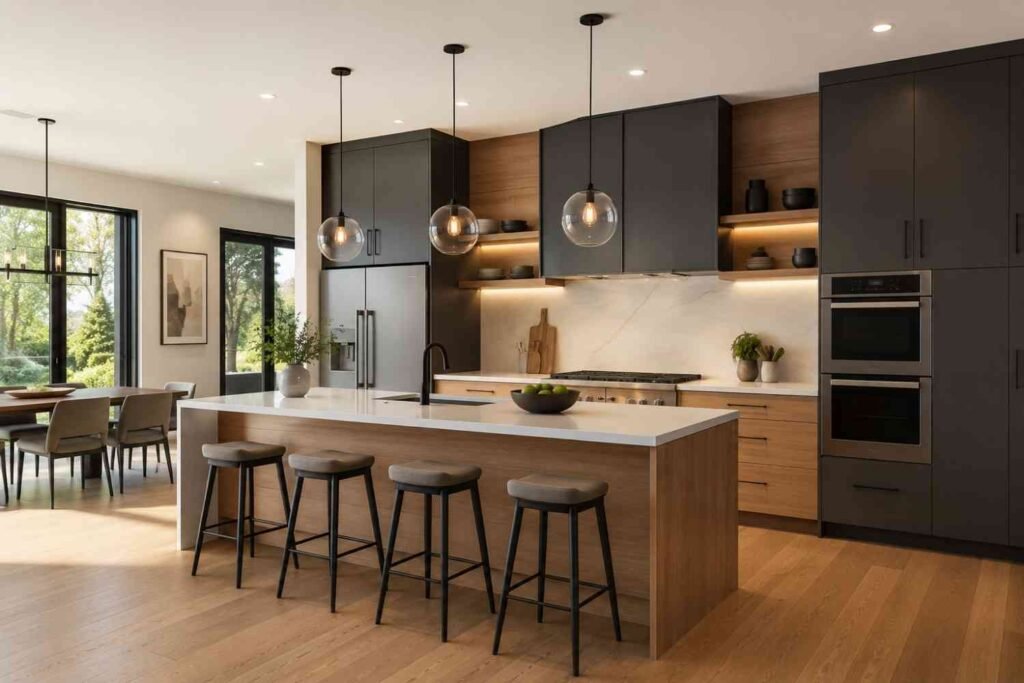
Traditional kitchens were often designed around appearance first. Modern kitchens flipped that priority. The focus now is movement, storage, accessibility, and visual calm.
Flat-panel cabinetry, wider drawers, integrated storage systems, and ceiling-height cabinets help kitchens feel more efficient without looking crowded. Many homeowners notice the difference immediately after switching from traditional cabinetry because everyday tasks become easier.
A kitchen no longer has to feel decorative to feel high-end.
Storage Has Become Smarter, Not Bigger
One of the biggest reasons people prefer modern kitchen cabinets is how much better they use space. Older cabinets usually relied on deep shelves with swinging doors. Items got lost in the back, corners became wasted space, and organization rarely lasted long.
Modern cabinet systems are designed differently.
Deep Drawers Replace Hard-To-Reach Lower Cabinets
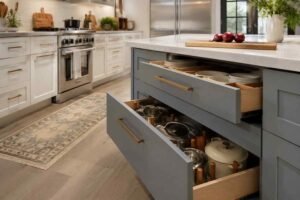
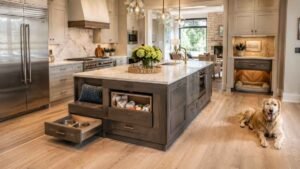
Pull-out drawers make pots, pans, containers, and appliances easier to access. Instead of crouching down and reaching blindly into dark shelves, everything becomes visible immediately.
This matters even more in smaller homes where storage has to work harder.
Vertical Cabinet Design Uses Every Inch
Modern wall cabinets often extend all the way to the ceiling. Traditional kitchens usually leave empty gaps near crown molding that collect dust and waste usable storage space.
That extra vertical storage helps reduce countertop clutter, which is one reason modern kitchens feel cleaner visually.
Hidden Organizers Reduce Everyday Mess
Modern kitchen cabinets frequently include:
- pull-out spice racks
- tray dividers
- concealed trash bins
- drawer inserts
- appliance garages
These details sound small until someone uses them daily. Then, going back to traditional layouts starts feeling inconvenient.
The Cleaner Look Is Easier To Maintain
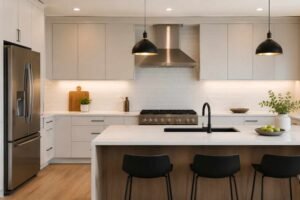
A major frustration with traditional kitchen cabinetry is maintenance. Raised panels, decorative grooves, exposed hinges, and ornate handles collect grease and dust faster than most people expect.
Modern cabinetry simplifies that problem.
Flat Surfaces Are Faster To Clean
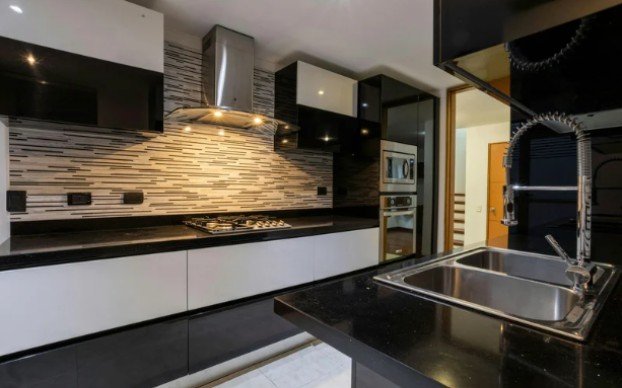
Slab-style cabinet doors remove unnecessary detailing. A quick wipe is usually enough to maintain the finish because there are fewer edges trapping buildup.
That simplicity appeals to busy households where kitchens are used constantly.
Modern Finishes Handle Moisture Better
Many contemporary kitchen cabinets now use engineered materials, laminates, matte coatings, and durable synthetics designed for heat and humidity resistance.
Traditional natural wood finishes still have appeal, but they often require more long-term maintenance, especially around sinks, dishwashers, and cooking areas.
Minimal Hardware Creates Less Visual Noise
Handleless cabinets and push-to-open systems are becoming more common because they create a cleaner kitchen aesthetic. Even when hardware is used, it tends to be slimmer and more understated.
The result is a kitchen that feels calmer and less crowded visually.
Open-Concept Homes Changed Kitchen Design Completely
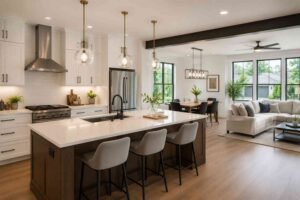
The rise of open-concept homes changed how kitchens function inside a house. Kitchens are no longer isolated rooms hidden behind walls. They are now visible from living rooms, dining areas, and entryways.
Traditional cabinetry sometimes struggles in these layouts because ornate detailing can feel visually heavy across open spaces.
Modern kitchen cabinets fit naturally into these newer floor plans.
Cabinets Blend Into Living Spaces
Neutral colors, smooth finishes, and clean lines help modern kitchens connect visually with nearby rooms instead of separating them.
This creates better architectural flow throughout the home.
Integrated Appliances Create Visual Consistency
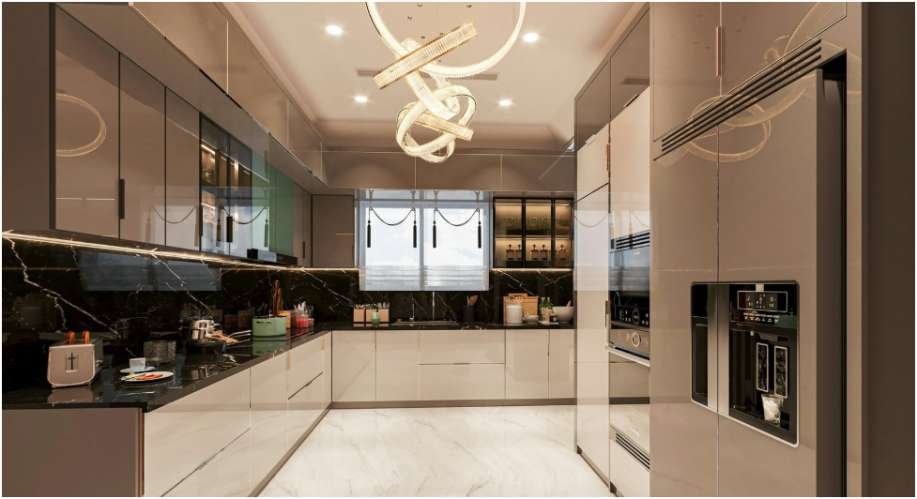
Modern kitchen design often hides refrigerators, dishwashers, and storage behind matching cabinet panels. This reduces visual interruptions and helps the entire kitchen look more streamlined.
People are increasingly drawn toward spaces that feel peaceful instead of overstimulating.
Lighting Works Better With Simpler Cabinetry
Modern cabinets reflect natural and artificial light more effectively because of their smoother surfaces and lighter finishes.
That alone can make smaller kitchens feel more open.
Traditional Kitchens Still Have Appeal: But Preferences Are Changing
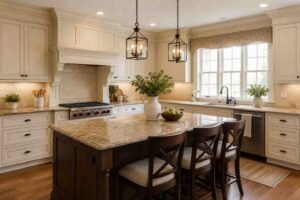
Traditional kitchens are not disappearing completely. Some homeowners still love classic wood craftsmanship, decorative molding, and timeless detailing. In certain historic homes, traditional cabinetry still fits the architecture beautifully.
But overall design priorities are changing.
Most remodeling projects today focus on:
- functionality
- easier maintenance
- flexible storage
- visual openness
- long-term practicality
Modern kitchen cabinets support those priorities more naturally than traditional designs do.
That shift is why contemporary kitchen cabinets continue showing up in new construction homes, apartment renovations, and full kitchen remodels at such a high rate.
FAQs: Why Modern Kitchen Cabinets Are Replacing Traditional Kitchen Designs
1. Are modern kitchen cabinets more expensive than traditional cabinets?
Not always. Pricing depends more on materials, customization, and installation quality than style alone. Some modern cabinet systems are actually more affordable because of their simpler construction.
2. What colors are most popular for modern kitchen cabinets?
White, matte black, warm wood tones, soft gray, taupe, and earthy neutral shades remain highly popular because they work well in open-concept spaces.
3. Do modern kitchen cabinets increase home value?
Many buyers prefer updated kitchens with functional storage and clean designs, so modern cabinets can positively influence resale appeal during renovations.
4. Are flat-panel cabinets hard to maintain?
No. Flat-panel cabinets are generally easier to clean because they lack grooves, carvings, and decorative trim where grease and dust collect.
Wrapping Things Up
The popularity of modern kitchen cabinets is not just about trends. It reflects how daily life has changed inside the home. Kitchens have become gathering spaces, work zones, conversation areas, and social hubs all at once. People want layouts that support that reality instead of fighting against it.
Traditional kitchens still carry charm, but modern cabinetry solves many of the frustrations homeowners experience every day. Better storage, easier cleaning, cleaner lines, and open-concept compatibility make modern kitchens feel more aligned with how people actually live now.