A home can have plenty of square footage and still feel constantly cluttered. That usually happens when storage feels disconnected from daily life. Baskets pile up in corners, countertops disappear under random items, and closets slowly become overflow zones for everything that no longer has a proper place. Most families do not actually need more space. They need smarter storage built around how people truly live.
That’s why integrated storage solutions have become one of the biggest priorities in modern home design. Instead of relying on temporary organizers that eventually create more visual clutter, homeowners are choosing built-in systems that blend directly into the layout of the house. Good storage no longer feels separate from design. It becomes part of how the home functions every day.
Why Integrated Storage Feels More Practical Long Term
Temporary organizers usually solve problems only for a short time. Plastic bins, freestanding shelves, and overloaded storage carts often create visual noise while still leaving rooms feeling crowded.
Integrated storage works differently because it becomes part of the architecture itself. Built-in cabinetry, recessed shelving, and hidden compartments create cleaner spaces while improving overall functionality.
This approach also supports better space utilization strategies, especially in family homes where multiple people use the same spaces constantly.
One reason homeowners increasingly invest in integrated storage is the connection between organization and daily stress reduction. Cluttered environments tend to make routines feel more chaotic, while organized layouts improve movement, accessibility, and overall comfort.
That’s also why many people start with affordable cabinet upgrades before committing to full renovations. Smaller integrated improvements often create noticeable everyday benefits without requiring major construction budgets.
Mudroom Lockers Help Control Entryway Chaos
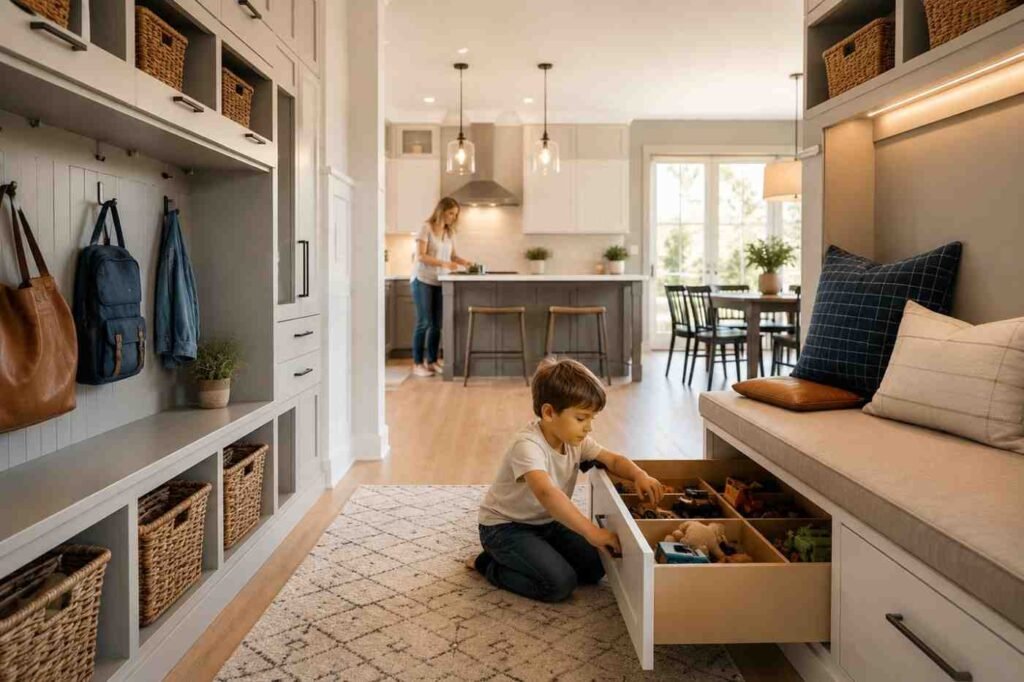
One of the busiest areas in most homes is the entryway. Shoes, backpacks, jackets, sports gear, and random daily items quickly pile up when there is no dedicated drop zone.
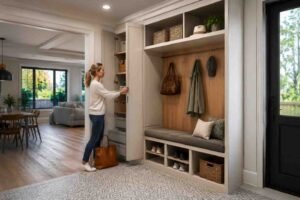
Integrated mudroom lockers solve this problem by assigning storage spaces to each family member. Built-in cubbies, hooks, benches, baskets, and lower drawers help reduce clutter while keeping commonly used items easy to access.
These systems work especially well because they support real household behavior instead of expecting perfect organization habits.
Practical mudroom systems often include:
- shoe drawers
- charging stations
- overhead cabinets
- laundry bins
- backpack hooks
- hidden storage benches
Families tend to maintain organization better when storage feels simple and immediately accessible.
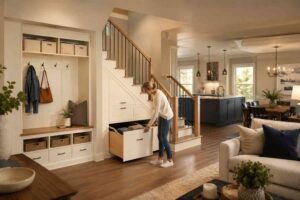
Under-Stair Storage Uses Space Most Homes Waste
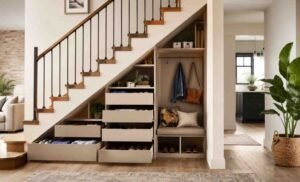
The area beneath staircases often becomes forgotten dead space filled with random storage boxes or unused decor.
Integrated under-stair systems transform that area into highly functional storage through:
- pull-out drawers
- hidden cabinets
- built-in shelving
- seasonal storage compartments
- toy organization systems
This type of storage works especially well in smaller homes where maximizing usable square footage matters more.
Well-designed under-stair storage also supports better home improvement return on investment because it increases functionality without expanding the home’s footprint.
Some homeowners even convert these spaces into hidden pantries, compact offices, or reading nooks with concealed storage built directly into the walls.
Floor-to-Ceiling Pantry Systems Improve Kitchen Flow
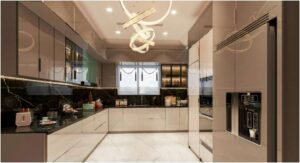
Kitchen clutter usually builds when cabinets fail to support daily cooking routines. Overflow pantry items, oversized appliances, and mismatched storage containers quickly consume valuable space.
Floor-to-ceiling pantry systems solve this by maximizing vertical storage instead of spreading clutter across countertops and lower cabinets.
The most functional pantry systems often include:
- adjustable shelving
- pull-out organizers
- vertical tray dividers
- concealed appliance storage
- labeled food zones
This type of organization improves accessibility while reducing wasted space.
Many homeowners also combine pantry upgrades with functional home design principles that prioritize movement, workflow efficiency, and long-term usability instead of purely decorative layouts.
Integrated pantry storage tends to work best when families design it around actual shopping and cooking habits rather than unrealistic minimalist trends.
Built-In Media Walls Reduce Visual Clutter
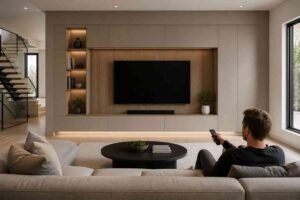
Electronics, cords, gaming systems, speakers, and entertainment accessories can quickly make living rooms feel crowded, even in modern homes.
Built-in media walls create cleaner layouts by integrating storage directly around televisions or fireplaces. Closed cabinetry hides clutter while open shelving balances functionality with display space.
This approach works especially well because it creates visual structure within larger living areas.
Custom media walls often include:
- floating shelves
- concealed cable management
- lower storage cabinets
- integrated lighting
- hidden charging stations
Many homeowners now prioritize this type of storage because it improves both aesthetics and functionality without making living spaces feel overloaded.
Bedroom and Closet Systems Make Daily Routines Easier
Closets become difficult to manage when storage systems fail to match real routines. Clothing piles up, shoes lose organization, and limited accessibility creates frustration during busy mornings.
Integrated closet systems solve these issues through specialized storage zones:
- floor-to-ceiling wardrobes
- built-in drawers
- adjustable hanging racks
- pull-out shoe organizers
- hidden laundry compartments
Wall-to-wall bedroom storage also helps smaller homes feel more open because fewer freestanding furniture pieces are needed.
This is where discussions around custom cabinetry costs become important. While fully custom systems require larger investments, many homeowners find the long-term functionality worth the expense compared to constantly replacing temporary storage furniture.
Small Integrated Features Often Make the Biggest Difference
Some of the smartest storage upgrades are surprisingly subtle.
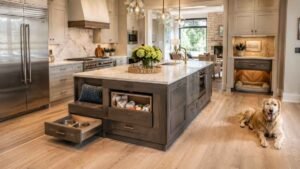
Toe-kick drawers built beneath kitchen cabinets create hidden storage for baking sheets, placemats, or serving trays. Recessed bathroom niches eliminate the need for bulky shower shelves while improving accessibility.
Garage slat walls and vertical storage systems also help convert garages from clutter zones into more organized, functional spaces.
These smaller integrated details work because they improve storage without visually overwhelming rooms.
They also support better residential storage optimization, especially in homes where maximizing efficiency matters more than simply adding more furniture.
FAQs: The Best Integrated Storage Solutions for Modern Family Homes
1. What are integrated storage solutions?
Integrated storage solutions are built-in or seamlessly designed storage systems that become part of a home’s layout instead of relying on standalone organizers or temporary furniture.
2. Why are integrated storage systems better for family homes?
They improve organization, reduce visible clutter, and create easier daily routines by keeping storage accessible and tailored to real household use.
3. What rooms benefit most from integrated storage?
Kitchens, mudrooms, closets, garages, bathrooms, and living rooms usually benefit the most because these are high-traffic areas with constant storage demands.
4. Are integrated storage solutions expensive?
Costs vary widely. Some systems require custom cabinetry, while others involve smaller upgrades like built-in shelving, pull-out drawers, or recessed niches that are more budget-friendly.
The Homes That Feel Calm Usually Hide Their Storage Well
The most functional homes rarely feel overloaded because good storage quietly disappears into the design itself. Instead of fighting clutter every day, integrated systems help routines feel smoother, cleaner, and easier to manage.
That’s why practical storage solutions tend to outlast design trends. When homes support the way families actually live, the organization becomes far more sustainable than constantly relying on temporary fixes and overflow baskets.