
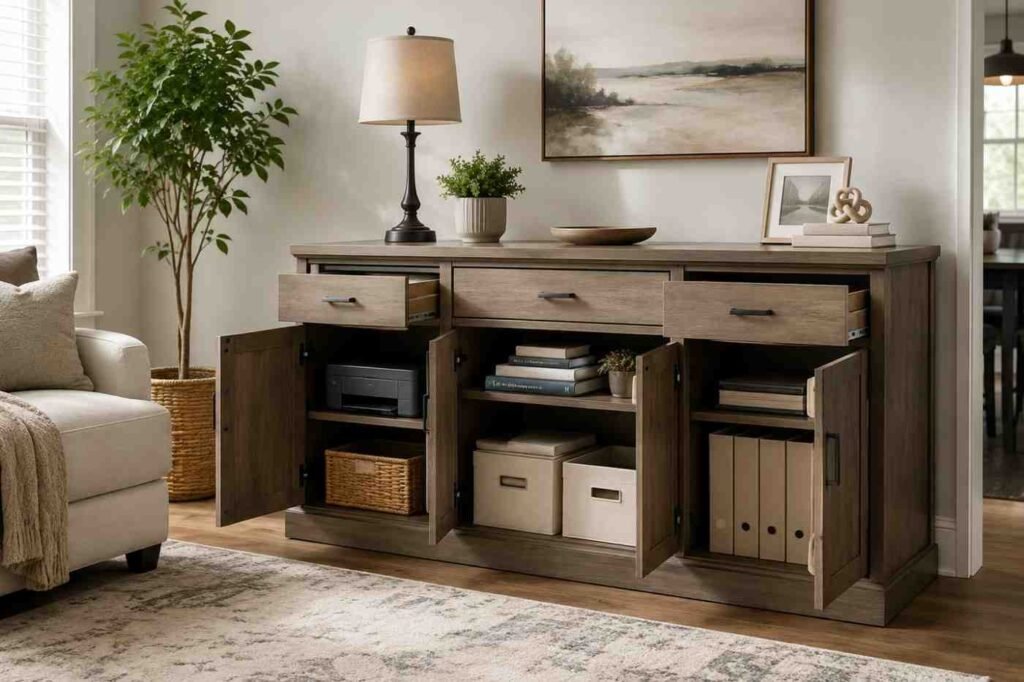
A lot of people buy multifunctional cabinets because they look smart in photos. Clean finishes, hidden compartments, fold-out desks, extra drawers. Everything feels practical at first glance. But once the cabinet is inside a real home, the small details start to matter more than the design itself.
That becomes obvious quickly in smaller homes, apartments, shared spaces, or even busy family kitchens, where storage gets tested every day. A cabinet can look beautiful online and still become frustrating to use after a few weeks. Drawers may not open fully. Shelves may sag. Doors may hit nearby furniture. That is why buying multifunctional cabinets needs a little more thought than choosing standard storage furniture.
Start With Space Measurements, Not Design
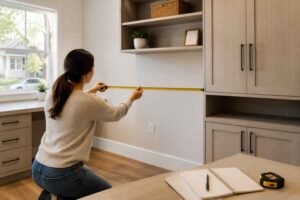
One of the most common mistakes people make is choosing cabinets based on appearance before checking how the piece will actually function in the room. A multifunctional cabinet often includes pull-out sections, foldable parts, hidden storage, or extended drawers. Those features need clearance space.
This is also where many homeowners begin exploring built-in cabinet organizers because they help maximize difficult corners and unused vertical space without making the room feel crowded.
Functionality Should Match Daily Habits
The best multifunctional cabinets are not the ones with the most features. They are the ones that fit naturally into daily routines.
Someone working remotely may need hidden cable management and a pull-out desk. Families may care more about adjustable shelving and easy-access storage. In smaller living spaces, cabinets with concealed compartments or fold-down surfaces often work better than oversized fixed units.
Adjustable Shelves Matter More Than People Think
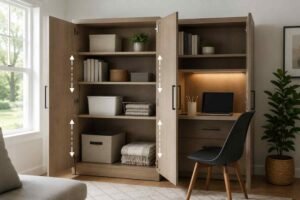
Storage needs change constantly. A shelf layout that works today may become frustrating six months later.
Look for cabinets with movable shelf pegs or modular shelf systems. Adjustable shelves make it easier to store kitchen appliances, books, baskets, gaming consoles, or seasonal items without wasting vertical space.
Modular Designs Give More Flexibility
A good modular cabinet system allows future expansion. Some units let you add side storage towers, upper hutches, or matching cabinets later. That flexibility matters if your storage needs grow over time.
Modular cabinets also work well for people who move often because sections can be rearranged instead of replaced entirely.
Pull-Out Features Should Feel Smooth
Fold-out desks, hidden tables, and sliding storage look impressive online, but poor hardware changes the experience quickly. Test how smoothly drawers slide and whether fold-out sections feel stable during use.
Soft-close hinges and ball-bearing drawer slides usually last longer and feel noticeably sturdier in everyday use.
Material Quality Impacts Long-Term Performance
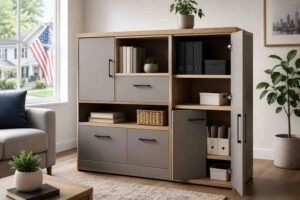
Cabinet materials affect durability more than most buyers realize. Multifunctional cabinets handle more movement and pressure than standard furniture because of their hidden compartments and flexible parts.
Solid wood options like oak, walnut, or birch usually provide better long-term structural stability. They hold screws well and resist sagging better under heavy use. However, they also come with a higher price tag.
High-density MDF with quality laminate can still perform well when built properly. Many modern storage cabinets now use premium engineered wood because it resists warping better in humid conditions and keeps costs manageable.
Instead of focusing only on the outer finish, check these details carefully:
- Weight limits for shelves
- Drawer slide quality
- Hinge durability
- Back panel thickness
- Stability during movement
A cabinet that wobbles slightly in the showroom usually becomes worse over time at home.
Hidden Storage Features Can Make A Huge Difference
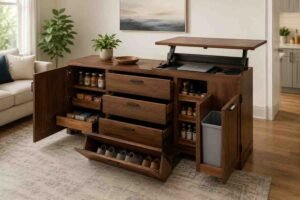
One reason multifunctional cabinets continue gaining popularity is their ability to reduce visible clutter without requiring larger rooms.
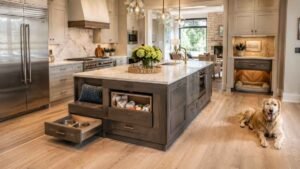
Hidden compartments, pull-out trays, vertical storage panels, and concealed charging stations help create cleaner spaces without adding extra furniture. These features work especially well in living rooms, home offices, and compact kitchens where open surfaces become messy fast.
Cable Management Is Worth Paying Attention To
Modern homes rely heavily on electronics. Storage furniture now needs to support routers, charging stations, speakers, printers, and gaming devices.
Look for cabinets with pre-drilled cord openings or hidden cable channels. Without them, wires quickly become tangled behind furniture and airflow gets blocked.
Ventilation Helps Protect Electronics
If the cabinet stores consoles, routers, or media equipment, ventilation matters. Slotted back panels or breathable cabinet doors help reduce heat buildup inside enclosed storage spaces.
This detail often gets ignored during purchase decisions, but it affects both device performance and cabinet lifespan.
Integrated Charging Areas Improve Convenience
Some multifunctional cabinets now include built-in USB ports or hidden charging compartments. These small additions make daily use easier, especially in shared family spaces where devices constantly need charging.
Safety Features Should Never Be Ignored
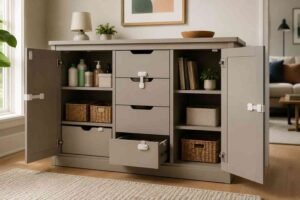
Tall multifunctional cabinets can become dangerously unstable if overloaded or poorly anchored. This becomes more important in homes with children or pets.
Always check whether anti-tip wall anchors are included. Freestanding cabinets with upper-heavy storage sections should be secured properly, especially on carpeted floors.
Locking compartments can also be useful for storing medication, important documents, or expensive electronics. If child safety matters, verify whether standard childproof locks work with the cabinet surface and handle design.
Many buyers focus heavily on style but overlook basic stability and accessibility. In real homes, those practical details matter far more over time.
Common Questions About Multifunctional Cabinets
1. Are multifunctional cabinets good for small spaces?
Yes. Multifunctional cabinets help maximize storage while reducing the need for multiple furniture pieces. Features like vertical storage and hidden compartments work especially well in compact rooms.
2. What material lasts longest for multifunctional cabinets?
Solid wood typically offers the best long-term durability. High-quality engineered wood and MDF can also perform well when paired with strong hardware and quality construction.
3. Do multifunctional cabinets increase home organization?
They can significantly improve organization when designed properly. Adjustable shelves, hidden storage, and modular layouts help reduce clutter and improve accessibility.
4. Are modular cabinets better than fixed cabinets?
Modular cabinets usually provide more flexibility because they can expand or adapt as storage needs change. They also work better for evolving room layouts.
Wrapping Things Up
Buying multifunctional cabinets is less about chasing trends and more about understanding how your space actually functions every day. The best cabinet is not necessarily the largest or most feature-packed option. It is the one that quietly improves storage, reduces clutter, and adapts naturally to your routine without creating new frustrations.
A little extra attention to measurements, hardware quality, ventilation, and modular flexibility can prevent expensive mistakes later. When chosen carefully, multifunctional cabinets become one of the few furniture investments that continue proving useful year after year.







One thought on “What To Look For Before Buying Multifunctional Cabinets”