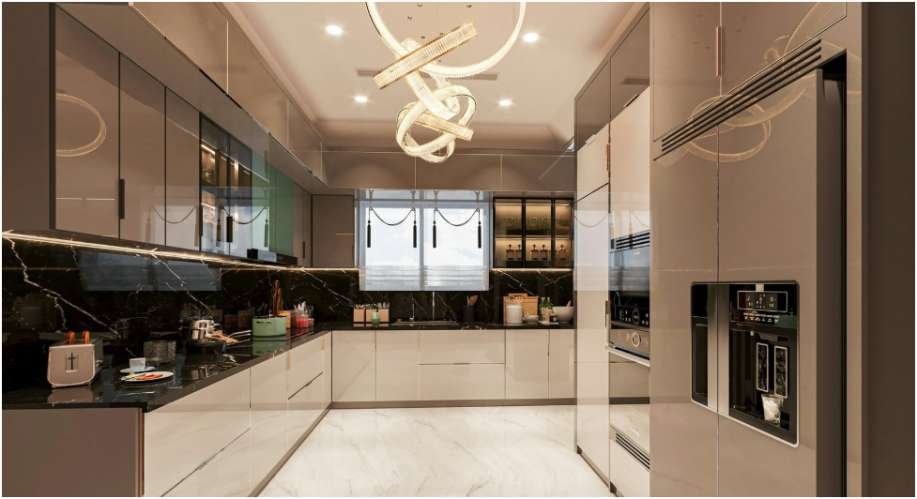
I used to think my narrow kitchen felt small because of its size. Turns out, the real problem was the layout. Cabinets blocked movement, appliances interrupted traffic flow, and dark finishes absorbed every bit of natural light. Once I started applying smarter narrow kitchen remodel ideas, the room finally felt functional instead of frustrating.
A narrow kitchen does not need more square footage to work better. It needs smarter spacing, better storage, and cleaner visual lines. The right remodel can make a galley kitchen feel wider, brighter, and far more efficient without knocking down walls.
Why Narrow Kitchens Feel Cramped So Quickly
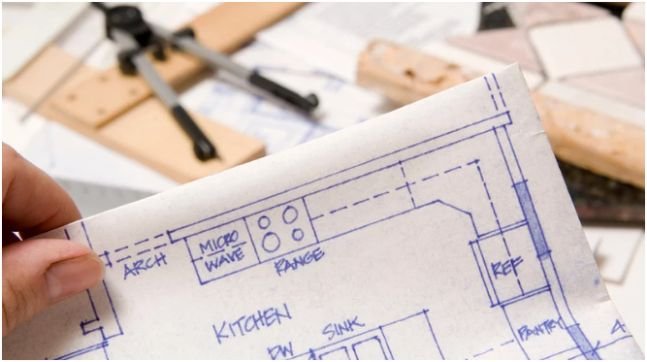
Most narrow kitchens fail because every inch competes for attention. Oversized cabinets, bulky appliances, and poor lighting create visual congestion fast.
The Biggest Layout Mistake I Made
My first mistake was installing deep lower cabinets on both sides of the kitchen. They looked great online, but they destroyed walking space in real life.
Standard base cabinets are usually 24 inches deep. Reducing one side to slim-profile 16–20 inch cabinets instantly improved movement. That single adjustment changed how the entire kitchen felt.
Why Traffic Flow Matters More Than Square Footage
Good kitchen design depends on movement. In a galley kitchen, you need at least 48 inches of walkway space between facing cabinets.
Anything tighter creates bottlenecks when doors or drawers open. That becomes exhausting during daily cooking.
I also learned that open floor visibility matters psychologically. When your eyes see uninterrupted flooring, the room feels larger immediately.
Narrow Kitchen Remodel Ideas That Actually Improve Function
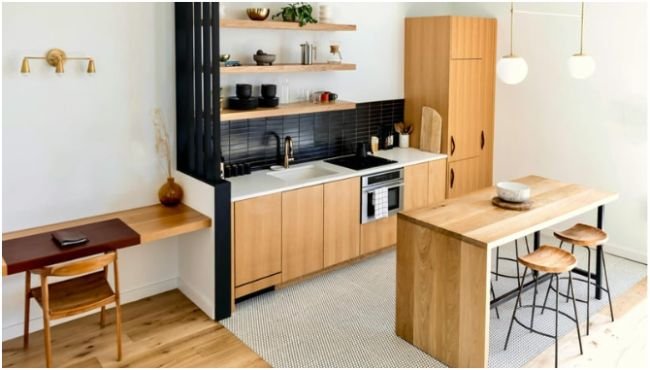
The layout determines whether a narrow kitchen feels organized or chaotic.
Single-Wall Kitchen Layouts
A single-wall kitchen works best in ultra-tight spaces under eight feet wide.
Keeping appliances and cabinets on one wall creates a calmer visual flow. It also leaves the opposite side open for movement or dining.
This layout works especially well in apartments and older homes.
Parallel Galley Kitchen Layouts
Galley kitchens can work beautifully when spacing stays balanced.
I found that separating prep, cooking, and cleaning zones reduced congestion dramatically. Designers sometimes call this the “3×4 Work Rule.”
The concept is simple:
- Create three separate countertop zones
- Each zone should be around four feet wide
- Keep prep, cooking, and cleanup independent
That setup prevents overlap while cooking.
L-Shape Kitchens With Peninsulas
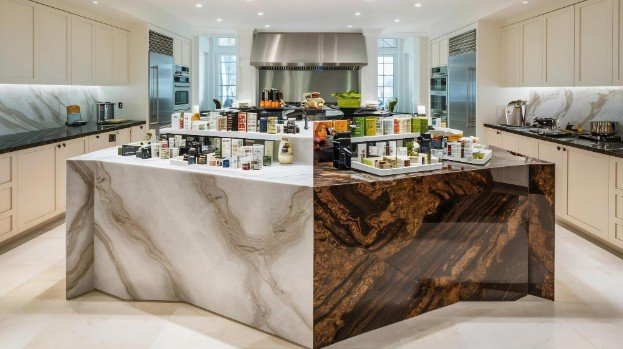
I originally wanted an island. That would have been a disaster.
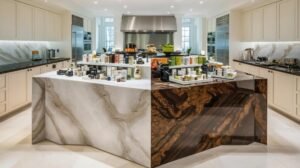
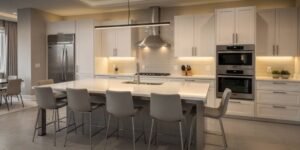
A peninsula delivers extra counter space without interrupting traffic flow. It also creates visual separation between the kitchen and living area.
This became one of my favorite alternatives while researching budget kitchen make over ideas because it costs less than most custom island installations.
The Smart Storage Tricks That Changed My Kitchen
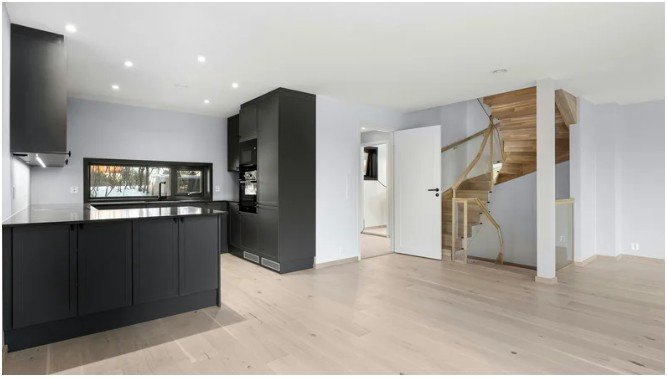
Storage matters more in narrow kitchens because clutter becomes visible instantly.
Ceiling-Height Cabinets
Extending cabinets to the ceiling changed the entire room visually.
The vertical lines draw your eyes upward, making the kitchen appear taller. I also gained storage for seasonal cookware and small appliances.
Leaving dead space above cabinets wastes valuable square footage.
Slim-Profile Lower Cabinets
Slim lower cabinets deserve more attention than they get.
Reducing cabinet depth on one side created better walking space without sacrificing functionality. I used shallow drawers for spices, utensils, baking trays, and cutting boards.
Those items never needed full-depth storage anyway.
Open Shelving Without Visual Clutter
Open shelves only work when styled carefully.
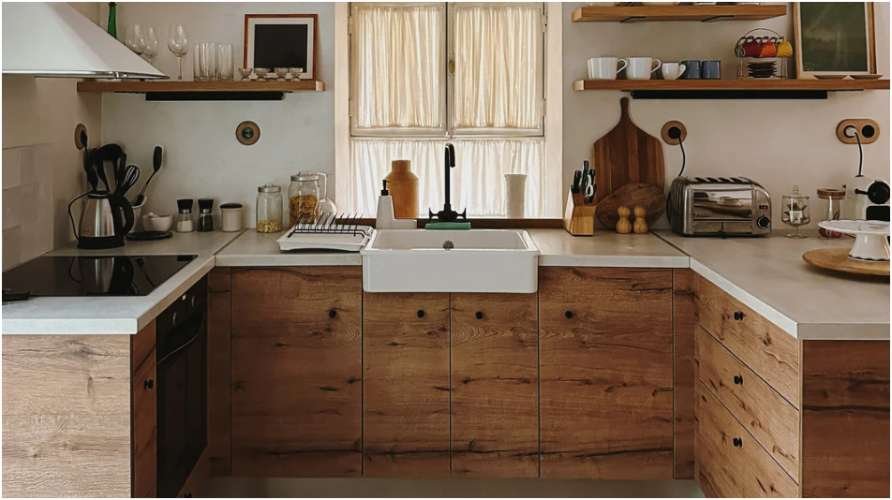
Replacing every upper cabinet with shelves creates chaos fast. Instead, I removed only two cabinet sections near the window. That allowed light to move more naturally across the room.
The kitchen instantly felt less boxed in.
Design Choices That Make a Narrow Kitchen Look Wider
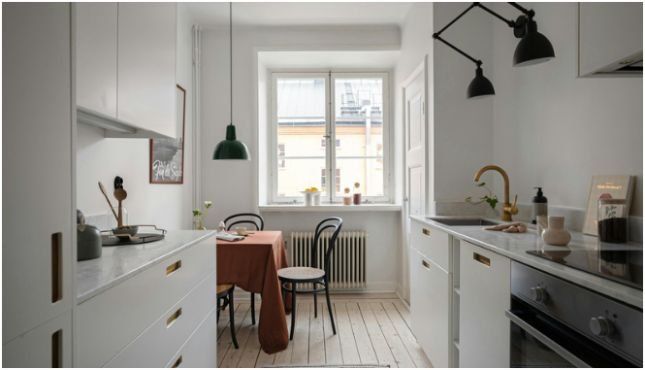
Visual tricks matter because narrow spaces depend heavily on perception.
Two-Tone Cabinet Colors
Darker lower cabinets ground the room. Bright upper cabinets reflect light.
That contrast keeps upper storage from feeling heavy overhead. I used warm white uppers and muted charcoal bases for balance.
The difference was dramatic.
Horizontal Backsplash Patterns
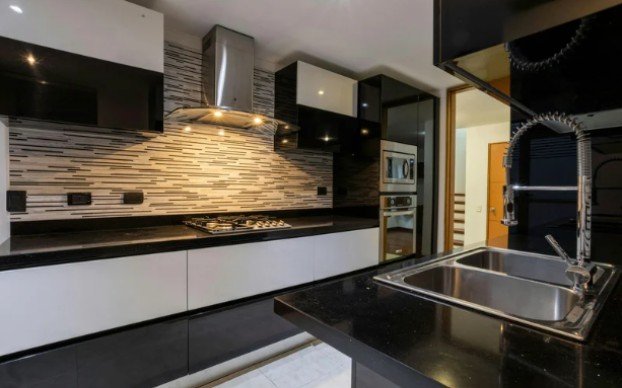
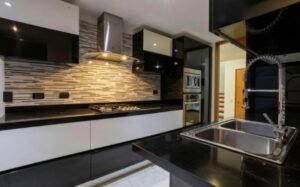
Horizontal subway tiles visually stretch the room width.
Vertical patterns emphasize height instead. In narrow kitchens, widening the visual perspective matters more.
Long horizontal grout lines subtly pull the eye sideways.
Reflective Finishes and Lighting
Reflective surfaces amplify natural light.
I added:
- Satin cabinet finishes
- Glass cabinet inserts
- Under-cabinet LED strips
- A mirrored accent wall near the dining nook
The reflection effect made the kitchen feel almost twice as bright during daytime hours.
Appliance Upgrades That Save Serious Space
Appliances often become the biggest obstacle in narrow kitchens.
Undercounter Refrigeration
Traditional refrigerators stick out aggressively into walkways.
Undercounter fridge drawers create cleaner lines and improve movement. They also make the room feel custom-designed.
This upgrade works especially well in minimalist remodels.
Downdraft Ventilation Systems
A bulky overhead hood can dominate a small kitchen visually.
Downdraft ventilation removes that visual block entirely. The cleaner sightline opens upper storage opportunities too.
Wall Ovens vs Traditional Ranges
Separating the cooktop and oven improved efficiency more than expected.
A wall oven eliminates awkward bending while keeping appliance doors away from traffic zones.
That matters in tighter kitchens where movement is limited already.
My Favorite Budget-Friendly Upgrades
Not every remodel needs a massive budget.
Some of my best upgrades cost surprisingly little:
- Swapping bulky cabinet hardware for slim matte pulls
- Installing brighter LED lighting
- Painting upper cabinets warm white
- Using peel-and-stick backsplash panels temporarily
- Replacing heavy cabinet doors with glass inserts
One mistake I regret was choosing oversized pendant lights. They looked stylish online but overwhelmed the room physically.
Scale matters more than trends in narrow kitchens.
Quick Reference Table for Narrow Kitchen Remodeling
| Remodel Element | Best Strategy | Why It Works |
| Cabinet Storage | Ceiling-height cabinets | Adds storage and visual height |
| Kitchen Layout | Parallel galley or single-wall | Improves traffic flow |
| Lighting | Under-cabinet LEDs | Removes dark shadows |
| Appliances | Undercounter refrigeration | Frees walkway space |
| Backsplash | Horizontal tile patterns | Visually widens kitchen |
| Cabinet Colors | Light uppers, darker lowers | Reduces visual heaviness |
| Counter Space | Peninsula instead of island | Maintains movement |
FAQs
1. What is the best layout for a narrow kitchen?
A parallel galley layout usually works best if you maintain at least 48 inches between cabinet runs. Smaller kitchens often work better with a single-wall setup.
2. What colors make a narrow kitchen look bigger?
Bright whites, warm creams, soft grays, and reflective finishes help bounce light throughout the room. Two-tone cabinetry also creates depth.
3. Are islands bad for narrow kitchens?
In most narrow kitchens, yes. Islands interrupt movement and create congestion. Peninsulas usually work better.
4. How do I add storage to a small galley kitchen?
Use ceiling-height cabinets, slim-profile drawers, hidden organizers, and selective open shelving to maximize vertical space.
5. What flooring works best in narrow kitchens?
Wide plank flooring installed lengthwise can visually stretch the room. Continuous flooring also improves visual flow.
Tiny Kitchen, Massive Upgrade Energy
My narrow kitchen used to feel like a hallway with appliances shoved into it. After fixing the layout, improving lighting, and simplifying storage, the space finally started working with me instead of against me.
The biggest lesson I learned? Small kitchens reward precision. Every cabinet depth, lighting choice, and appliance placement matters more than people realize.
You do not need a giant renovation budget to make a narrow kitchen feel expensive. You just need smarter decisions per square foot.