Choosing between an induction cooktop vs gas stove became much harder once I started researching how modern American kitchens are evolving. A few years ago, gas ranges dominated almost every serious cooking conversation in the United States.
Today, induction technology is rapidly changing how homeowners think about cooking speed, indoor air quality, energy efficiency, and kitchen safety.
After comparing real-world cooking performance, installation costs, cookware compatibility, long-term efficiency, and maintenance, I realized there is no universal winner. The better choice depends entirely on how you cook, your home’s infrastructure, and what matters most in daily life.
For some households, gas still delivers the traditional cooking experience they love. For others, induction feels like the future of modern cooking.
Why More Americans Are Switching to Induction Cooking
once is enough
One of the biggest reasons induction cooking has exploded in popularity across the USA is efficiency. Induction technology transfers roughly 85–90% of its energy directly into cookware. Gas stoves typically transfer closer to 40% while the remaining heat escapes into the surrounding air.
I noticed this difference immediately while cooking during summer. My kitchen stayed noticeably cooler with induction compared to gas burners. In states with high cooling costs like Texas, Arizona, and Florida, that matters more than most homeowners expect.
Induction cooktops also align perfectly with the growing demand for energy efficient kitchen appliances. Many newer American homes now prioritize lower utility bills, cleaner indoor air, and smart appliance integration during kitchen remodeling projects.
At the same time, gas ranges continue attracting serious home cooks because live flame cooking still feels intuitive and familiar.
How Induction and Gas Cooking Actually Work

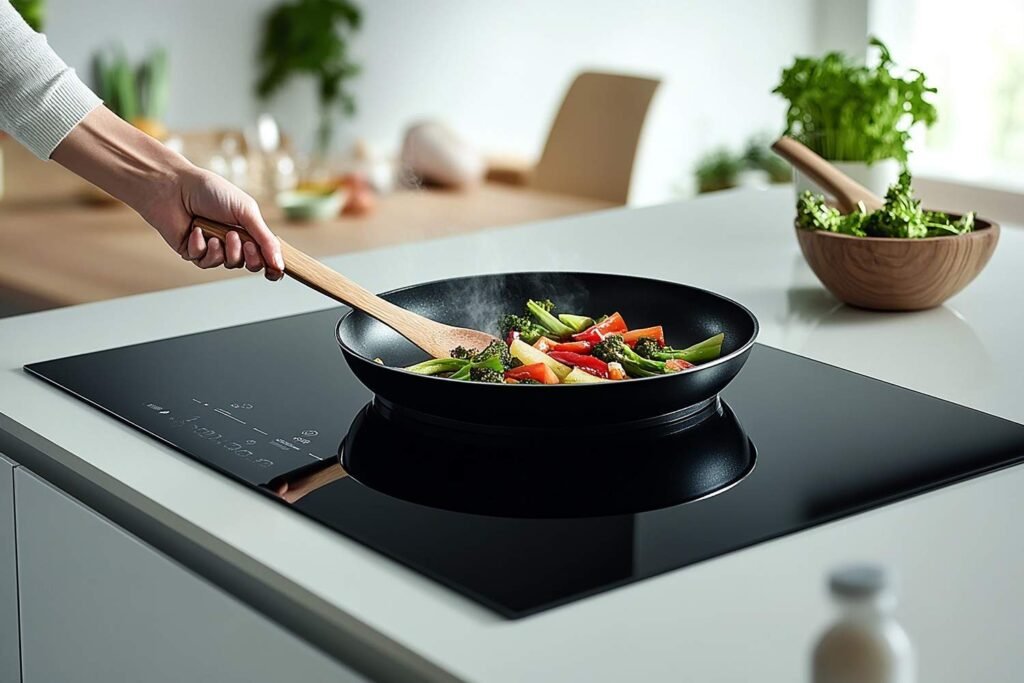
Induction cooking uses electromagnetic energy to heat the cookware itself instead of heating the burner surface. The cooktop remains relatively cool while the pan heats rapidly through magnetic interaction.
Gas stoves work completely differently. They burn natural gas or propane beneath the cookware using an open flame. Heat spreads around the bottom and sides of the pan, which creates the traditional cooking experience many Americans grew up using.
Both systems provide fast temperature adjustments, but induction usually reacts faster and with greater precision.
Which One Cooks Faster?
Speed is one area where induction consistently dominates.
When I tested boiling times, induction cooktops heated water dramatically faster than standard gas burners. Many modern induction units can boil water in under three minutes.
That efficiency becomes incredibly useful during busy weeknight cooking, meal prep sessions, or holiday entertaining.
Gas still performs well, especially on professional-style high-BTU ranges, but more heat escapes into the kitchen instead of directly into the cookware.
For homeowners who cook frequently, the speed difference becomes very noticeable over time.
Which Is Better for Cooking Control?
This category depends heavily on personal cooking style.
Gas cooking offers visual flame feedback that many American home chefs love. You can instantly see the flame increase or decrease beneath the cookware. Gas also performs exceptionally well for charring vegetables, using round-bottom woks, and flame-based cooking techniques.
Induction, however, delivers incredibly precise low-temperature control. Simmering soups, melting chocolate, and maintaining stable temperatures often feels easier on induction than gas.
I found induction especially impressive for delicate cooking tasks where maintaining exact heat matters more than visible flame.
Indoor Air Quality Is Becoming a Huge Factor
This is where the conversation around induction cooktop vs gas stove has shifted dramatically in recent years.
Gas stoves release combustion byproducts into the home, including nitrogen dioxide, carbon monoxide, and small amounts of benzene. Several studies in the United States have linked poor kitchen ventilation and heavy gas stove use to increased respiratory concerns, especially in children.
Induction cooktops produce no indoor combustion emissions at all.
That does not automatically make gas dangerous when properly ventilated, but many health-conscious homeowners now view induction as the cleaner long-term option for indoor air quality.
This issue has become particularly important in modern open-concept American homes where kitchens connect directly to living rooms and dining areas.
Safety Differences Matter More Than Most Families Realize

One of the biggest advantages of induction is surface safety.
Because induction heats the cookware directly, the glass surface itself does not become nearly as hot as traditional burners. Most units also include automatic shutoff systems and pan-detection technology.
For families with children, that added safety can become a major deciding factor.
Gas ranges involve open flames, hot grates, combustion, and the possibility of gas leaks if maintenance is neglected. Accidentally leaving a burner on also presents greater fire risks.
After using both systems, induction simply felt safer and less stressful during everyday cooking.
Cookware Compatibility Can Change the Entire Decision
This is one category where gas still offers maximum flexibility.
Gas stoves work with virtually every cookware material available, including aluminum, copper, ceramic, stainless steel, and cast iron.
Induction requires magnetic cookware. Cast iron and most stainless steel pans work perfectly, but many aluminum and copper pans will not function unless specifically designed for induction cooking.
A simple magnet test usually confirms compatibility.
For homeowners already invested in expensive cookware collections, replacing incompatible pans can significantly increase total upgrade costs.
Installation Costs in the United States
Installation is often overlooked until renovation begins.
Gas ranges typically require an existing gas line and a standard electrical outlet. If your kitchen already has active gas service, installation costs remain relatively manageable.
Induction cooktops often require a dedicated 220V–240V electrical circuit. Older American homes may need electrical panel upgrades before installation, which can increase upfront expenses substantially.
However, many homeowners now qualify for rebates and tax incentives through programs connected to the Inflation Reduction Act. Depending on the state, those incentives may offset appliance costs and electrical upgrades.
That financial advantage has helped accelerate induction adoption across the United States.
Cleaning and Maintenance
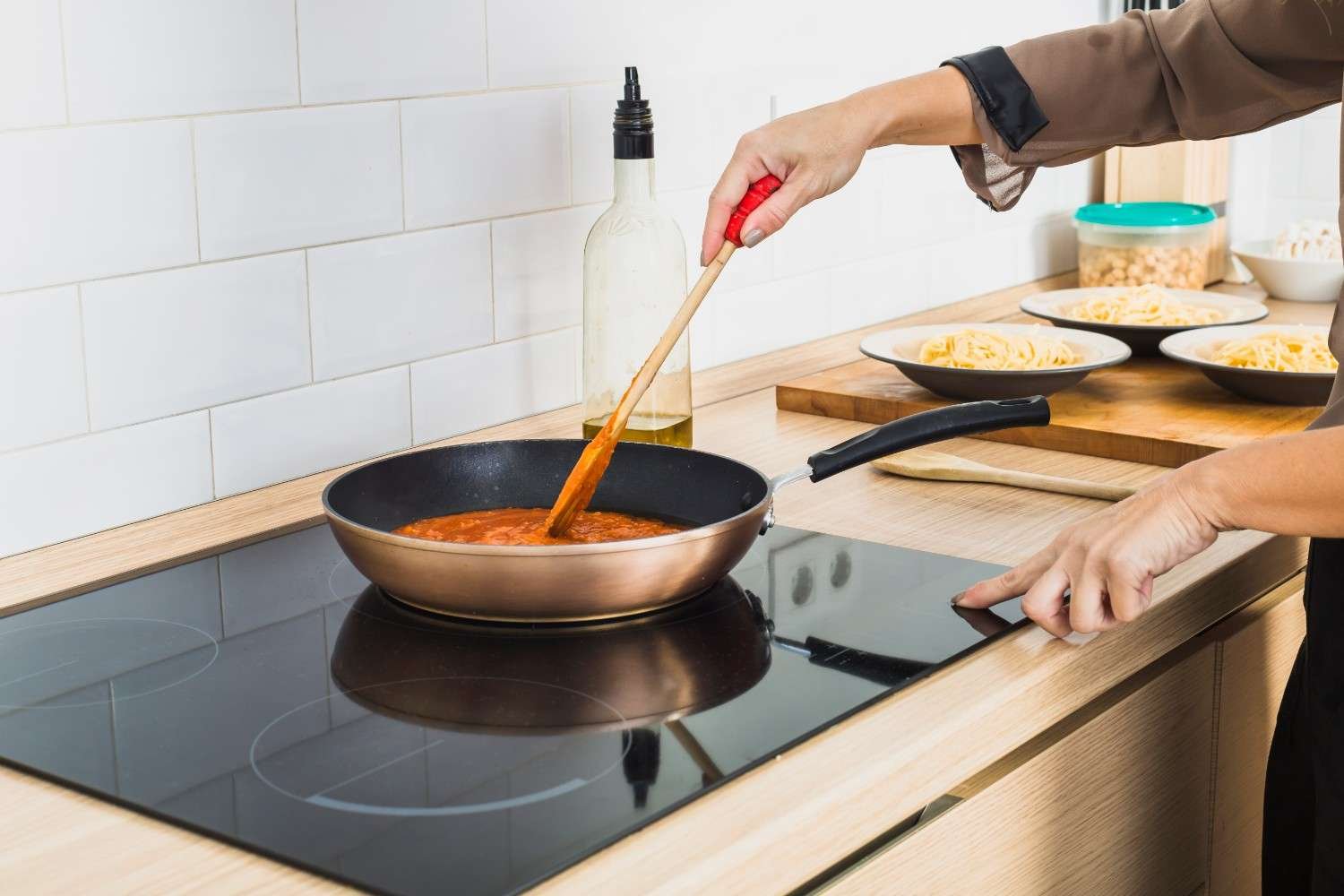
Induction is dramatically easier to clean.
Because spills rarely burn onto the surface, cleanup usually takes only a microfiber cloth and mild cleaner. The smooth glass design also creates a cleaner overall kitchen appearance.
Gas ranges require regular deep cleaning around burner caps, grates, drip areas, and crevices where grease accumulates.
I personally found induction much easier to maintain in daily life, especially in busy kitchens already filled with appliances like an air fryer for family meals, coffee machines, and countertop cooking devices.
Frequently Asked Questions (FAQs)
1. Is induction cheaper to run than gas in the USA?
In many regions, yes. Induction wastes less energy and transfers more heat directly into cookware, which can improve overall efficiency.
2. Can induction work during a power outage?
No. Induction requires electricity to function. Some gas stoves may still operate manually during outages.
3. Do professional chefs still prefer gas?
Many do, especially for flame cooking techniques. However, induction is becoming increasingly common in modern professional kitchens.
4. Is induction safer for children?
Generally, yes. The cooking surface stays cooler and most models include advanced safety shutoff features.
5. Does induction cooking require special pans?
Yes. Cookware must be magnetic for induction cooking to work properly.
Which One Makes More Sense for Your Home?
After comparing both systems extensively, I think the best option depends on your priorities more than anything else.
If you value speed, energy savings, lower indoor heat, easier cleaning, modern safety features, and cleaner indoor air, induction is probably the smarter long-term investment. Many American homeowners are also exploring induction because rebates connected to the Inflation Reduction Act may help offset appliance and electrical upgrade costs.
If you prioritize live flame cooking, universal cookware compatibility, familiarity, and traditional cooking techniques, gas still remains an outstanding option.
For many newer US homes focused on efficiency and modern appliance integration, induction increasingly feels like the future. But for passionate cooks who love flame interaction and restaurant-style cooking, gas still delivers a uniquely satisfying experience.
Ultimately, the right decision comes down to how you actually cook every day.