My electricity bill used to spike every summer, and honestly, I blamed the air conditioner first. But after tracking my home energy usage more carefully, I realized my kitchen was quietly draining power every single day. The refrigerator never stopped running, the dishwasher used more hot water than I expected, and my old electric range released enough heat to warm the entire room.
That experience pushed me to research energy efficient kitchen appliances more seriously. What I discovered surprised me. Many modern appliances not only consume less electricity, but they also cook faster, run quieter, and make everyday kitchen tasks far easier.
For American homeowners dealing with rising utility costs, upgrading the kitchen has become one of the smartest long-term investments. The key is knowing which appliances actually reduce energy usage and which features are mostly marketing hype.
Why Are Kitchen Appliances Responsible for High Energy Bills?
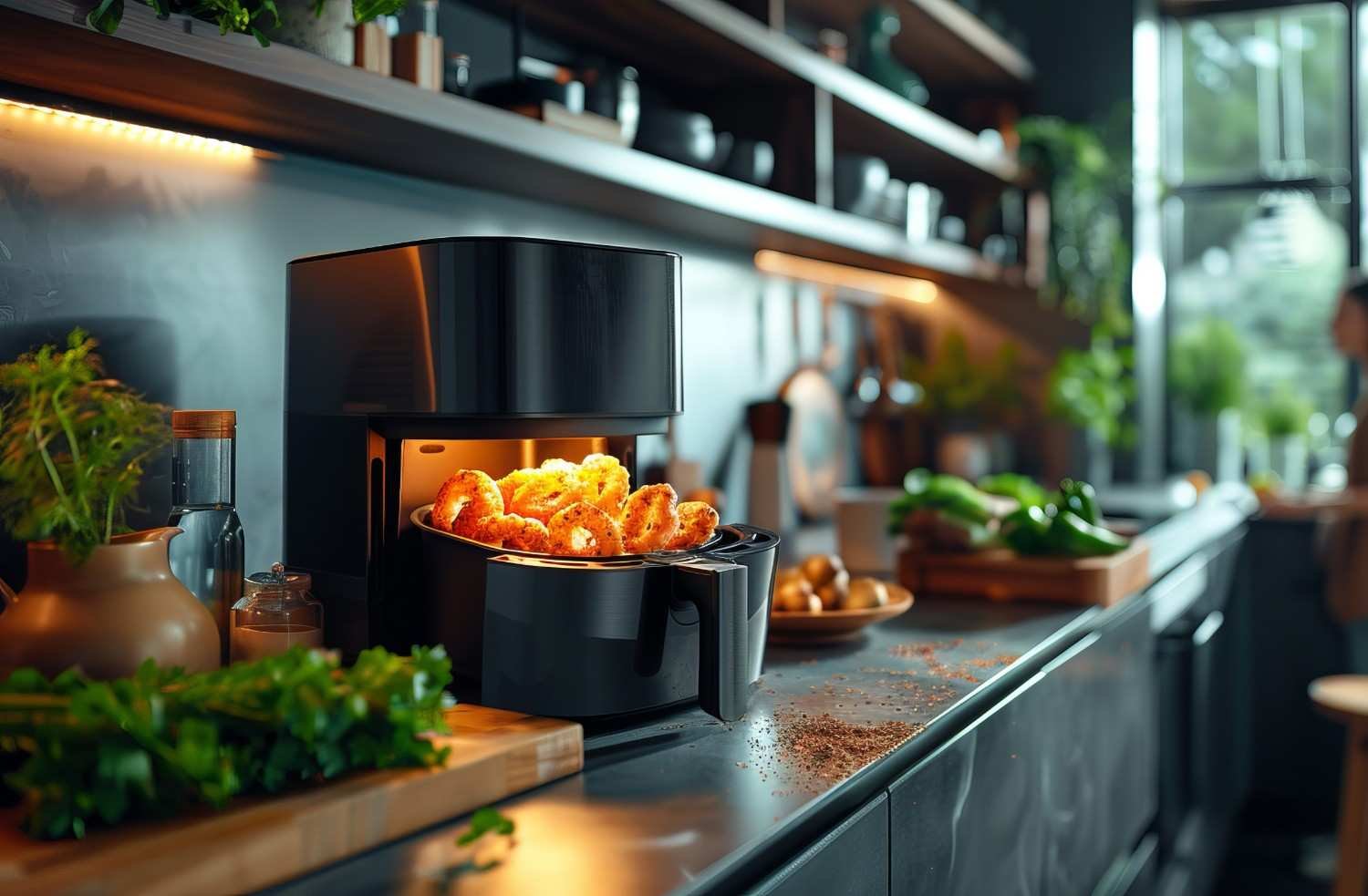
Most people underestimate how much electricity the kitchen uses daily. Refrigerators run 24/7, dishwashers rely heavily on hot water, and older cooking appliances waste heat constantly. Even smaller countertop devices can add to overall consumption, especially when households frequently use appliances like an air fryer for family meal preparation several times a day.
According to the U.S. Department of Energy, refrigerators, dishwashers, and cooking equipment are among the most energy-intensive appliances in many homes. Older models can dramatically increase monthly utility expenses because they lack modern compressor systems, insulation, and smart energy controls.
I noticed the difference immediately after replacing an older refrigerator. The kitchen stayed cooler, the motor noise disappeared, and my utility bill gradually dropped over the next few months.
For homeowners in the United States, this matters even more because energy costs continue to rise across many states.
Which Kitchen Appliances Save the Most Electricity?

Some upgrades create much larger savings than others. If your goal is reducing long-term energy costs, prioritizing the right appliances makes a major difference.
| Appliance | Why It Saves Energy | Estimated Long-Term Benefit |
| ENERGY STAR Refrigerator | Uses advanced compressors and insulation | Lower 24/7 electricity usage |
| Induction Cooktop | Transfers heat directly into cookware | Faster cooking with less wasted heat |
| ENERGY STAR Dishwasher | Uses less water and electricity | Reduced utility and water bills |
| Smart Oven | Optimizes cooking temperature automatically | More efficient meal preparation |
| Modern Freezer | Improved insulation technology | Lower yearly operating costs |
Most American homeowners see the largest impact from upgrading refrigerators first because they operate nonstop throughout the year.
Are ENERGY STAR Appliances Really Worth Buying?
I used to think ENERGY STAR certification was mostly branding until I compared appliance energy guides side by side. The difference in yearly operating costs was larger than I expected.
ENERGY STAR certified appliances meet strict efficiency requirements established by the U.S. Environmental Protection Agency. Many modern certified refrigerators, dishwashers, and cooking appliances consume significantly less electricity than standard models.
The biggest advantages include:
- lower monthly utility bills
- reduced water consumption
- quieter operation
- longer-lasting performance
- improved resale value for the home
For families that cook daily, those savings build surprisingly fast.
Why Induction Cooking Is Becoming Popular Across the US
One of the biggest kitchen trends in America right now is induction cooking. After using an induction cooktop for the first time, I immediately understood why homeowners are switching away from traditional electric ranges.
Unlike gas or standard electric stoves, induction technology heats cookware directly instead of heating the surrounding surface first. That means less wasted heat and much faster cooking times.
The benefits go beyond energy savings. Induction ranges help kitchens stay cooler during summer, which can slightly reduce air conditioning usage in warmer states like Texas, Florida, Arizona, and California.
For homeowners researching kitchen renovation ideas on a budget, induction cooking often delivers both performance improvements and long-term energy savings.
What Is the Best Refrigerator for Lower Energy Costs?

Refrigerators usually consume more electricity than any other kitchen appliance because they never stop running. Replacing an older refrigerator often creates the fastest noticeable savings.
When shopping for refrigerators, I now pay close attention to:
- inverter compressor systems
- dual cooling technology
- ENERGY STAR certification
- LED lighting
- adaptive defrost systems
French door refrigerators remain especially popular in the United States because they balance storage space, organization, and efficiency.
Modern inverter compressors adjust cooling levels automatically instead of constantly switching on and off like older systems. That reduces unnecessary electricity usage significantly.
How Smart Kitchen Technology Reduces Utility Bills
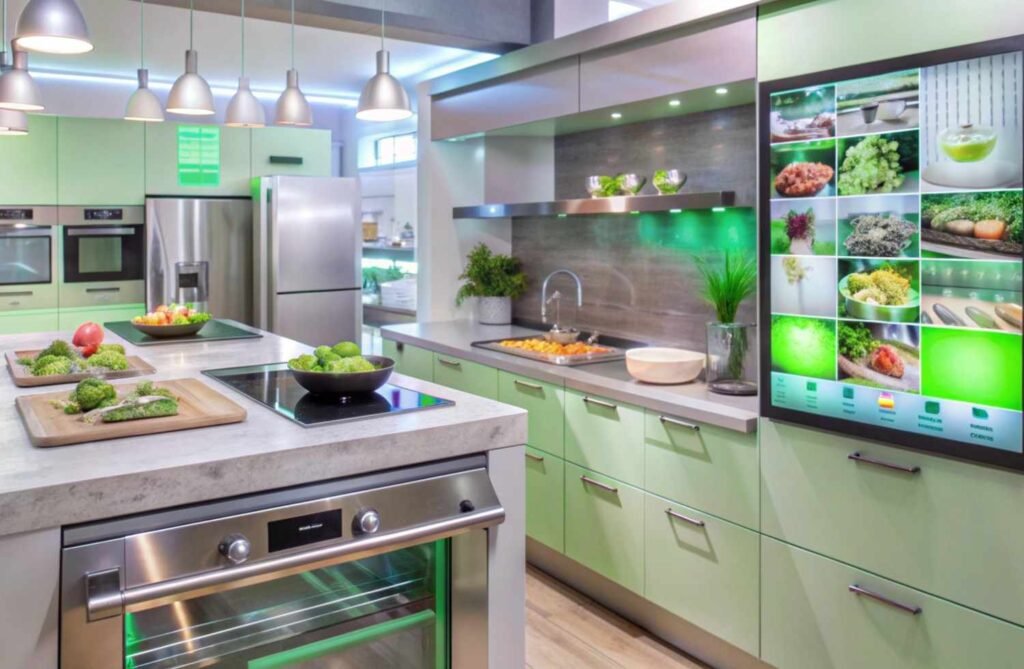
Smart appliances are no longer just luxury gadgets. Many newer kitchen products actively help homeowners monitor and reduce electricity consumption.
Some smart refrigerators adjust cooling cycles based on usage patterns. Certain dishwashers automatically optimize water levels depending on load size. Smart ovens can reduce unnecessary preheating time and maintain more consistent temperatures.
These small improvements add up over time.
| Smart Feature | Energy-Saving Benefit |
| Adaptive Cooling | Prevents excess refrigerator energy use |
| Eco Wash Cycles | Reduces dishwasher water heating |
| Remote Monitoring | Tracks electricity usage patterns |
| Smart Sensors | Improves appliance efficiency |
| Auto Shut-Off | Prevents wasted standby power |
I personally found the usage tracking features surprisingly helpful because they made it easier to identify which appliances consumed the most electricity.
How Much Can Modern Appliances Actually Save?
One of the biggest content gaps I noticed while researching competitor blogs was the lack of realistic cost explanations.
Here’s the reality: savings vary depending on your current appliances, household size, and electricity rates. But homeowners replacing appliances older than 10 years often notice meaningful reductions in monthly energy costs.
A modern refrigerator can use far less electricity than units manufactured a decade ago. ENERGY STAR dishwashers can also reduce annual water usage by hundreds of gallons.
Over the lifespan of an appliance, those savings become substantial.
Common Mistakes Homeowners Make When Buying Appliances
I see many homeowners focus entirely on appearance while ignoring long-term operating costs.
That usually becomes expensive later.
One common mistake is purchasing oversized appliances that consume unnecessary electricity. Another is ignoring yearly energy usage labels completely.
Some homeowners also buy trendy products with smart features they never actually use.
The best approach is balancing:
- energy efficiency
- daily functionality
- kitchen size
- cooking habits
- long-term operating cost
That creates far better value over time.
What Should You Replace First in an Older Kitchen?
If your budget is limited, prioritize appliances strategically.
I usually recommend replacing:
- refrigerator
- dishwasher
- cooking range
- freezer
- microwave
This order creates the strongest combination of energy savings and practical improvement.
For many American households, replacing one outdated refrigerator alone can noticeably reduce electricity consumption.
Frequently Asked Questions (FAQs)
1. What kitchen appliance uses the most electricity?
Refrigerators usually consume the most electricity because they run continuously every day.
2. Are ENERGY STAR appliances worth the higher price?
Yes. Most ENERGY STAR appliances reduce electricity and water usage enough to create long-term savings.
3. Do induction cooktops save energy?
Yes. Induction cooktops transfer heat directly into cookware, making them more efficient than traditional gas or electric ranges.
4. How long do energy efficient appliances last?
Most modern kitchen appliances last between 10 and 15 years when properly maintained.
5. What is the best energy efficient refrigerator style?
French door refrigerators with inverter compressors and ENERGY STAR certification are among the most efficient options available in the US.
6. Can smart appliances reduce electricity bills?
Yes. Smart appliances optimize energy usage through adaptive cooling, eco modes, and automated energy controls.
Final Thoughts on Smarter Kitchen Upgrades
Upgrading to energy efficient kitchen appliances changed the way I think about home expenses. The savings were helpful, but what surprised me most was how much better the kitchen actually functioned afterward. The appliances ran quieter, cooked faster, and generated less heat throughout the house.
The smartest strategy is not replacing everything at once. Instead, focus on the appliances that consume the most electricity and upgrade them gradually.
For homeowners across the United States, modern kitchen technology now offers a rare combination of convenience, comfort, sustainability, and long-term savings.
And honestly, once you start seeing lower utility bills, it becomes very hard to go back.