
I’ve tested enough kitchen appliances over the years to know that choosing the best stand mixer for baking can either transform your kitchen workflow or leave you frustrated with weak motors, uneven mixing, and wasted money. In the US market, stand mixers have evolved far beyond basic cake batter machines.
Today’s top models handle artisan sourdough, delicate meringue, large cookie batches, homemade pasta, and even commercial-style baking projects from a single countertop appliance.
After comparing expert reviews, lab-tested performance data, long-term durability reports, and real-world baking experiences, one model consistently dominates almost every category: the KitchenAid Artisan Series 5-Quart Tilt-Head Stand Mixer.
Still, not every baker has the same needs. Some households bake massive bread batches weekly, while others simply want reliable cookie dough performance without overspending.
This blog breaks down the top-performing stand mixers in the USA for 2026 while explaining which model actually fits your baking style, kitchen size, and budget.
Quick Comparison Table: Top Stand Mixers in the USA
| Mixer Model | Best For | Bowl Capacity | Design Type | Standout Feature |
| KitchenAid Artisan 5-Quart | Everyday baking | 5 Quarts | Tilt-Head | Legendary planetary mixing |
| KitchenAid 7-Quart Bowl-Lift | Bread & large batches | 7 Quarts | Bowl-Lift | 500W heavy-duty motor |
| Bosch Universal Plus | Frequent bread baking | 6.5 Quarts | Bottom-Drive | Overheat-resistant system |
| Hamilton Beach All-Metal | Budget buyers | 4.5 Quarts | Tilt-Head | Excellent value performance |
Why the KitchenAid Artisan Still Dominates American Kitchens
There’s a reason the KitchenAid Artisan remains the most recommended stand mixer across major US testing platforms. It consistently balances power, reliability, bowl capacity, durability, attachment support, and everyday usability better than almost anything else available.
The 325-watt motor may not sound enormous on paper, but its planetary mixing action delivers exceptional ingredient incorporation. Unlike cheaper mixers that leave flour pockets along the bowl edges, the Artisan rotates the attachment while simultaneously spinning around the bowl for more even mixing.
I especially noticed the difference while making buttercream frosting and thick chocolate chip cookie dough. The machine stayed stable, relatively quiet, and smooth throughout long mixing sessions.
Full-metal construction also matters more than most people realize. Many budget stand mixers develop wobbling, gear noise, or overheating issues after repeated heavy use. The Artisan’s build quality explains why so many American families still use KitchenAid mixers passed down for generations.
Its versatility also pushes it ahead of competitors. The attachment hub supports pasta rollers, meat grinders, spiralizers, food processors, and grain mills, turning the mixer into a genuine multi-purpose kitchen machine.
Which Stand Mixer Works Best for Bread Dough?

Bread baking completely changes what you should prioritize in a mixer. Thick sourdough and brioche place enormous strain on internal gears and motors, especially in kitchens where multiple appliances already generate heat from systems like electric resistance heating during long baking sessions.
For serious bread bakers, the KitchenAid 7-Quart Bowl-Lift Stand Mixer performs significantly better than smaller tilt-head models. Its three-point locking bowl system creates excellent stability during dense dough kneading. The 500-watt direct-drive motor also handles extended mixing sessions without struggling.
One feature I genuinely appreciate is the ultra-low 1/2-speed setting designed specifically for folding flour. This prevents flour explosions while maintaining smoother incorporation during early mixing stages.
The mixer comfortably manages massive baking volumes, including up to 13 dozen cookies or over 8 pounds of bread dough in one cycle. For holiday baking, meal prep, or cottage baking businesses, that capacity becomes incredibly useful.
However, some bread specialists still prefer the Bosch Universal Plus because of its bottom-drive motor configuration. Unlike traditional overhead motor systems, Bosch distributes strain more efficiently while maintaining cooler operating temperatures during repeated dough cycles.
For whole wheat or high-hydration sourdough enthusiasts, Bosch’s industrial-style reliability gives it a real advantage.
Is the Bosch Universal Plus Better Than KitchenAid?
This depends entirely on your baking habits.
For everyday American households, KitchenAid still offers the better all-around experience. It handles cakes, cookies, frostings, whipped cream, pizza dough, and occasional bread baking beautifully while looking great on a kitchen counter.
Bosch excels in one very specific category: relentless bread production.
Its lightweight 6.5-quart bowl and bottom-drive system allow it to knead dense yeast dough for extended periods without overheating. Many experienced bakers specifically praise its long-term motor reliability when making multiple bread batches weekly.
That said, Bosch lacks the polished aesthetic and universal attachment ecosystem that helped KitchenAid dominate the US market.
Best Budget Stand Mixer for New Home Bakers
Not everyone needs a premium appliance immediately, especially if you bake casually.
The Hamilton Beach All-Metal Electric Stand Mixer continues to rank as one of the strongest entry-level values available in the United States. Despite its lower price point, it still uses planetary mixing motion, which helps create smoother batters and better ingredient consistency compared to many ultra-cheap competitors.
I wouldn’t recommend it for constant sourdough baking or heavy commercial use, but for cupcakes, cookies, brownies, whipped cream, and occasional bread dough, it performs surprisingly well.
Its tilt-head design also keeps it approachable for beginners who want a simple, straightforward machine without complicated controls.
Tilt-Head vs Bowl-Lift: Which Design Is Better?
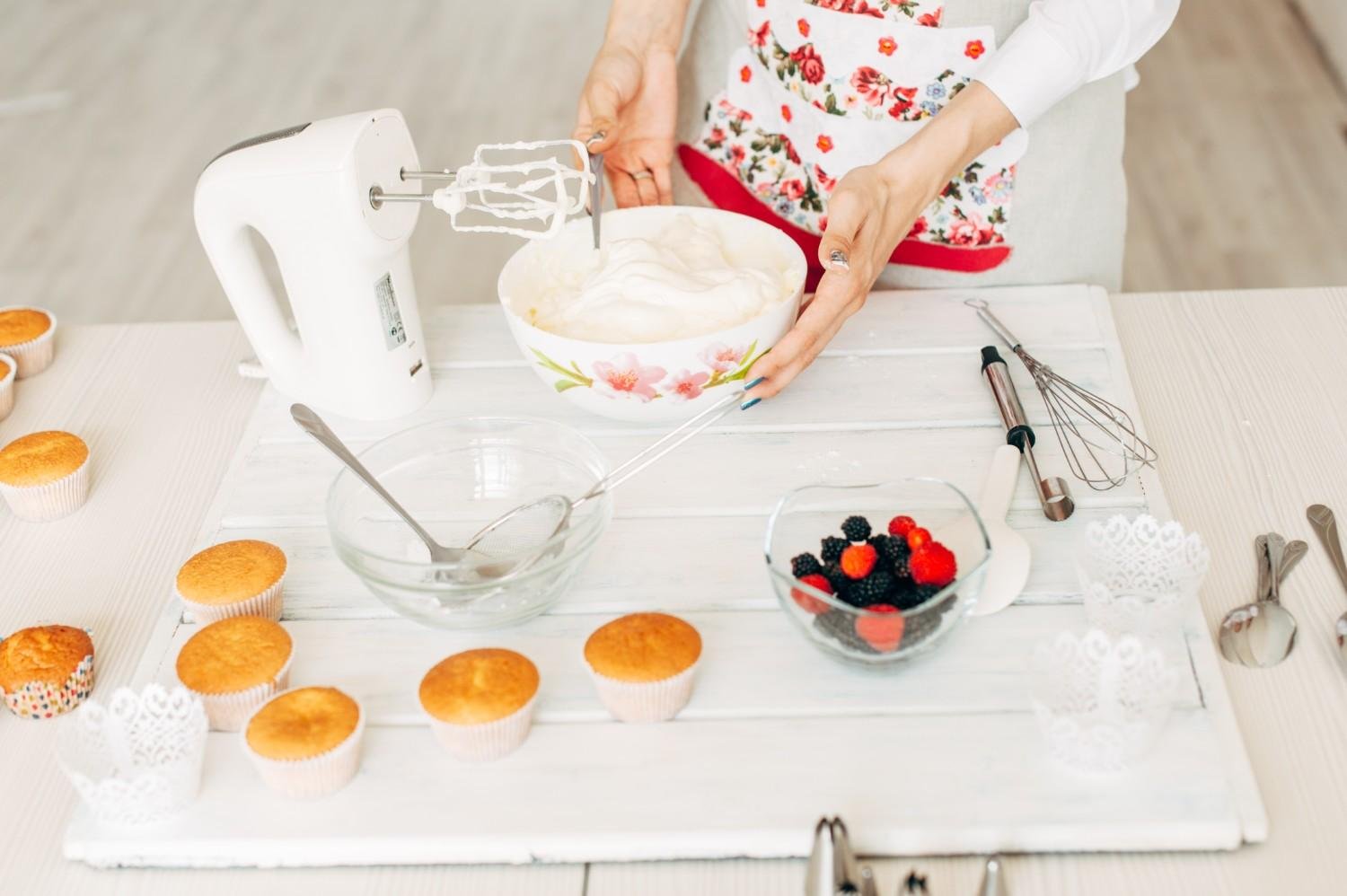
This debate dominates appliance forums for good reason because the design genuinely affects performance.
Tilt-head mixers feel more convenient for everyday baking. You can quickly swap attachments, scrape bowls, and add ingredients with minimal effort. They also fit better under most kitchen cabinets, which matters in many American homes where counter space is limited.
Bowl-lift mixers prioritize stability and power. The rigid locking system prevents shaking during thick dough kneading and supports larger capacities more effectively.
I generally recommend:
| Baking Style | Better Option |
| Cakes & cookies | Tilt-head |
| Small kitchens | Tilt-head |
| Weekly bread baking | Bowl-lift |
| Large batch production | Bowl-lift |
| Beginner bakers | Tilt-head |
What Size Stand Mixer Do Most Families Actually Need?
Many people overestimate how large their mixer should be.
For most US households, a 5-quart mixer handles nearly everything comfortably, including birthday cakes, cookies, brownies, frostings, cinnamon rolls, and pizza dough.
A 7-quart mixer makes more sense if you:
- bake bread weekly
- host large gatherings
- meal prep frequently
- run a small baking business
- make bulk holiday desserts
Larger mixers also weigh significantly more, so storage and counter placement become important considerations.
Why Stand Mixer Motor Design Matters More Than Wattage
One of the biggest misconceptions online is assuming higher wattage automatically means better performance.
Motor efficiency, gear construction, torque delivery, and cooling systems matter just as much.
That’s why the KitchenAid Artisan still outperforms many cheaper high-wattage mixers despite using a moderate 325-watt motor. Its planetary system and durable internal gearing create smoother, more controlled mixing.
Meanwhile, Bosch’s bottom-drive configuration reduces long-term mechanical strain during extended dough kneading.
Professional reviewers increasingly focus on these engineering details because they directly impact durability and performance consistency.
Are Expensive Stand Mixers Really Worth the Money?

After years of baking, I’d say yes — but only if you genuinely use them.
Premium stand mixers provide:
- smoother mixing
- better dough handling
- quieter operation
- improved long-term durability
- more stable construction
- wider attachment ecosystems
Casual bakers may never fully benefit from a commercial-style mixer. But if you bake weekly, the upgrade becomes noticeable almost immediately.
A reliable mixer saves time, reduces effort, and produces more consistent baking results.
Frequently Asked Questions (FAQs)
1. What is the best stand mixer for baking bread?
The KitchenAid 7-Quart Bowl-Lift and Bosch Universal Plus perform exceptionally well for bread dough because they handle prolonged kneading with greater stability and motor efficiency.
2. Is KitchenAid worth the price?
For frequent bakers, absolutely. The durability, attachment ecosystem, and mixing consistency justify the investment for most households.
3. What stand mixer lasts the longest?
KitchenAid and Bosch models consistently rank among the most durable stand mixers based on long-term user reviews and expert testing.
4. What size stand mixer should I buy?
A 5-quart mixer works best for most families, while 7-quart models fit large-batch or bread-focused baking.
5. Are bowl-lift mixers stronger than tilt-head mixers?
Generally, yes. Bowl-lift models provide better stability and power for dense dough and large baking batches.
Final Verdict on the Best Stand Mixer for Baking
After comparing performance benchmarks, engineering quality, long-term durability, bread dough stability, and overall versatility, the KitchenAid Artisan Series 5-Quart Tilt-Head Stand Mixer still earns its reputation as the best stand mixer for baking for most American households.
It delivers the strongest combination of reliability, performance, attachment flexibility, manageable size, and everyday baking convenience. Serious bread bakers may still prefer the KitchenAid Bowl-Lift or Bosch Universal Plus for heavy dough production, but for general home baking, the Artisan remains incredibly difficult to beat.
It also fits well alongside other modern energy efficient kitchen appliances that many American homeowners now prioritize for smarter long-term kitchen upgrades.
If you want a mixer that can grow with your baking skills instead of limiting them, this is still the machine I’d personally recommend first.