Small rooms start feeling crowded faster than most people expect. One extra storage unit, a bulky dresser, or an oversized cabinet can instantly make a bedroom or living area feel tighter. I realized this after helping redesign a compact guest room that looked clean on paper but somehow still felt heavy and cluttered every day. The problem was not the room size. It was the way storage interrupted the visual flow.
That is why space-saving cabinets matter more than people think. Good storage not only organizes belongings. It changes how a room feels. The right cabinet can create openness, improve movement, brighten dark corners, and make small homes feel calmer to live in. Many newer storage trends now focus less on “adding more cabinets” and more on making storage visually disappear into the room itself.
Why Some Cabinets Make Rooms Feel Smaller
A lot of traditional cabinets take up visual weight. Dark finishes, bulky bases, oversized handles, and deep frames block light and interrupt sightlines. Even when they are useful, they can make compact rooms feel compressed.
Modern small space storage works differently. Instead of dominating the room, newer cabinet styles focus on blending into the architecture. They create cleaner lines, reduce visual clutter, and help the room breathe naturally.
This is why many homeowners searching for contemporary cabinet ideas are now prioritizing visual openness alongside storage capacity. The goal is no longer just storage. It is comfort, flexibility, and spaciousness.
Floating Cabinets Create Instant Visual Space
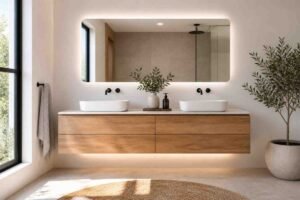
One of the easiest ways to make a small room feel larger is by exposing more floor area. Floating cabinets achieve this immediately because they are mounted directly onto the wall instead of sitting heavily on the floor.
When the eye can see uninterrupted flooring underneath furniture, the brain interprets the room as larger. It sounds subtle, but the effect is surprisingly noticeable in compact bedrooms, narrow hallways, and small bathrooms.
Floating cabinets also improve light reflection. Natural light travels more freely across visible floor surfaces, helping darker rooms feel brighter during the day. In apartments or townhomes with limited windows, this makes a real difference.
Another advantage is cleaning convenience. Dust does not collect underneath bulky furniture bases, which helps smaller rooms feel cleaner and less chaotic overall.
Cabinet Finishes Can Completely Change Room Perception
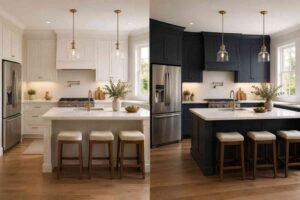
Cabinet color and finish matter just as much as cabinet size. Many compact rooms feel overcrowded because the cabinetry visually separates itself from the walls.
Light-colored cabinets reduce this problem.
Glossy Finishes Reflect More Light
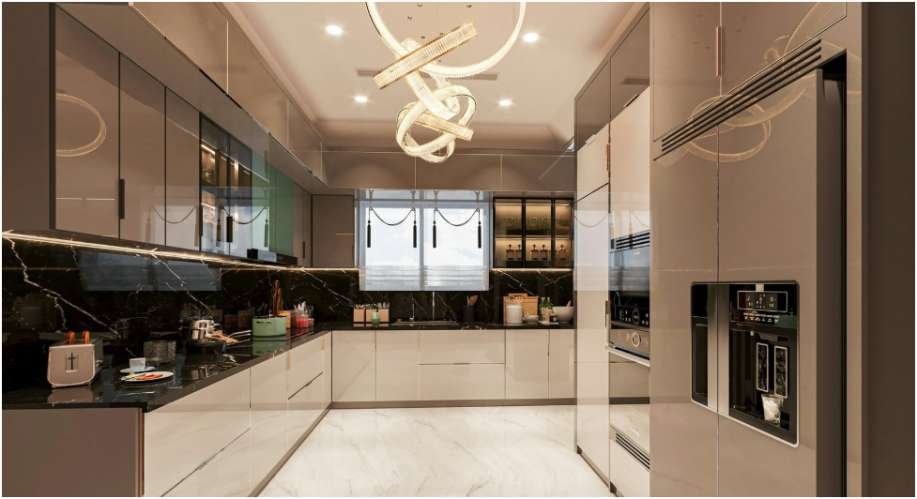
High-gloss cabinets subtly bounce light around the room, especially near windows or ceiling lighting. This reflection effect prevents dim corners from feeling boxed in.
White, cream, soft gray, and beige finishes work especially well because they visually merge with lighter wall colors rather than creating contrast.
Glass-Front Cabinets Feel Less Heavy
Solid cabinet doors sometimes create a blocky appearance in small rooms. Glass-front cabinets reduce that heaviness. Even slightly reflective glass surfaces add depth and openness without removing storage functionality.
This works especially well in kitchens, home offices, and compact dining spaces where bulky upper cabinets can overwhelm the room.
Mirrored Cabinets Expand Visual Depth
Mirrored cabinet panels create the illusion of extended space to maximize the small space. In narrow bedrooms or smaller bathrooms, reflective surfaces visually double wall depth and distribute natural light into darker corners.
The effect feels much more refined today than older mirrored furniture styles because newer designs use slimmer framing and cleaner lines.
Vertical Storage Works Better Than Wide Storage

A common mistake in compact homes is spreading storage horizontally across the room. Wide dressers and low cabinets consume valuable wall space and make ceilings appear lower.
Tall vertical cabinets solve this issue more effectively.
Floor-To-Ceiling Cabinets Eliminate Dead Space
Most rooms waste the upper wall space entirely. Floor-to-ceiling cabinets use that vertical zone efficiently while reducing the need for additional furniture pieces elsewhere.
This creates a more streamlined appearance because storage becomes centralized instead of scattered throughout the room.
Vertical Lines Draw The Eye Upward
Tall cabinets naturally guide the eye toward the ceiling. This visual movement helps low ceilings feel taller and makes compact rooms appear less compressed.
Narrow vertical storage units often work better than oversized wardrobes because they maintain openness while still offering strong storage capacity.
Built-In Cabinets Reduce Clutter
Built-in cabinets create a more architectural look compared to standalone furniture. Since they fit directly into the room layout, they appear less intrusive visually.
This is especially useful in smaller homes where every inch of walking space matters.
Common Questions About Space Saving Cabinets: Space Saving Cabinets That Actually Make Small Rooms Feel Bigger
1. What type of cabinet works best for small rooms?
Floating cabinets, vertical storage cabinets, and recessed built-ins usually work best because they reduce floor crowding and maintain open sightlines.
2. Do light-colored cabinets really make a room feel bigger?
Yes. Light colors reflect more light and visually blend into surrounding walls, which helps reduce heaviness in compact spaces.
3. Are floor-to-ceiling cabinets too overwhelming for small rooms?
Not necessarily. When designed with clean lines and lighter finishes, they often make rooms feel more organized and spacious because they eliminate scattered storage.
4. Are multifunctional cabinets worth it?
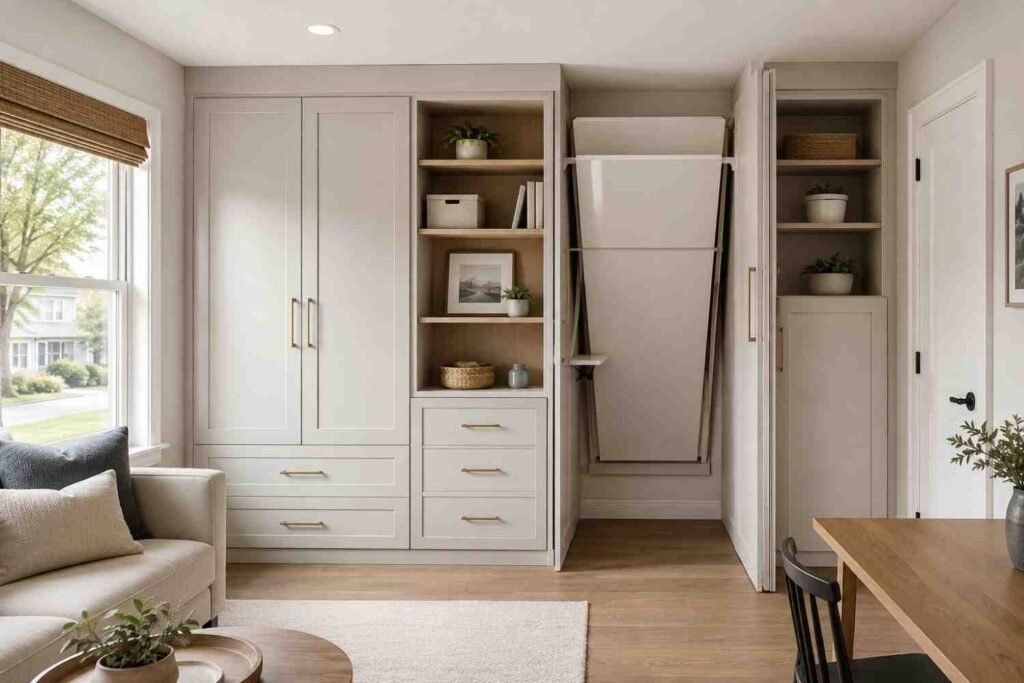
For smaller homes, multifunctional cabinets can save significant space while reducing clutter. Fold-away desks, hidden beds, and transformable storage systems are especially practical.
A Final Perspective On Smarter Storage
The best space-saving cabinets do not scream for attention. They quietly improve how a room functions and how it feels to live in every day. That difference becomes obvious in smaller homes where clutter builds quickly and every inch matters. Good cabinetry creates openness, smoother movement, and a calmer environment without requiring a massive remodel.
Most importantly, smart storage should support the room instead of competing with it. When cabinets blend naturally into the layout, even compact spaces can feel bright, functional, and surprisingly comfortable.