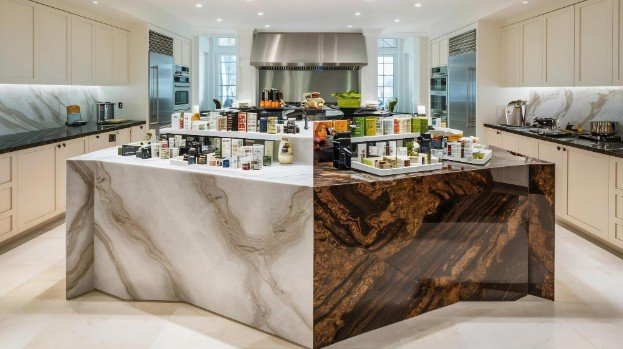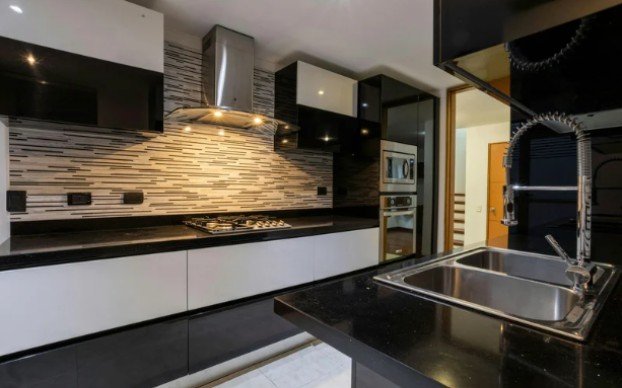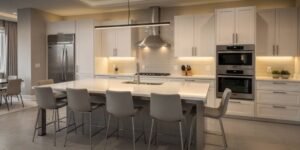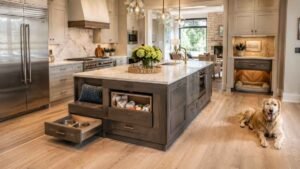
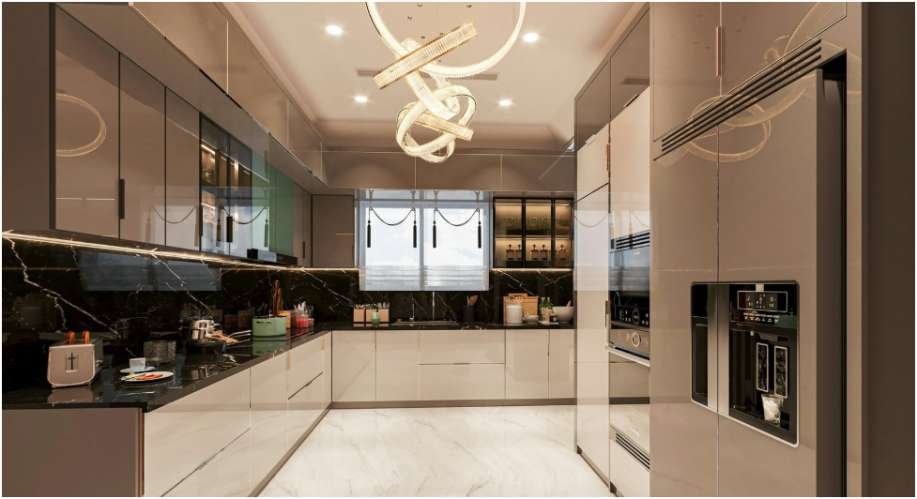
My old kitchen felt cramped even though the room itself was not tiny. Cabinets blocked movement, corners wasted storage, and cooking during family gatherings felt chaotic. The moment I started planning an L shaped kitchen remodel, everything changed. The layout finally created clear work zones, opened traffic flow, and made the kitchen feel connected to the rest of the house.
The biggest surprise was how much smarter the room worked without actually adding square footage.
Why an L-Shaped Layout Works So Well
An L-shaped kitchen uses two connected walls to create a practical cooking zone while leaving the center open. That open space becomes valuable for movement, dining, or entertaining.
I noticed three immediate benefits after remodeling:
- The kitchen felt larger without moving walls
- Multiple people could cook comfortably
- The layout naturally improved traffic flow
According to the National Kitchen and Bath Association, open circulation space is one of the biggest factors affecting kitchen usability. Proper spacing matters more than oversized cabinetry.
An L-shaped layout also adapts well to modern open-concept homes. It works equally well in apartments, ranch homes, and larger suburban kitchens.
Quick Layout Planning Table
| Feature | Recommended Measurement | Why It Matters |
| Walkway clearance | 36 inches minimum | Prevents cramped movement |
| Appliance clearance | 42 inches preferred | Allows doors to open fully |
| Counter seating overhang | 12 inches | Comfortable stool seating |
| Work triangle distance | 4–9 feet | Improves efficiency |
| Island spacing | 36–42 inches | Keeps traffic flowing |
The Kitchen Work Triangle Explained
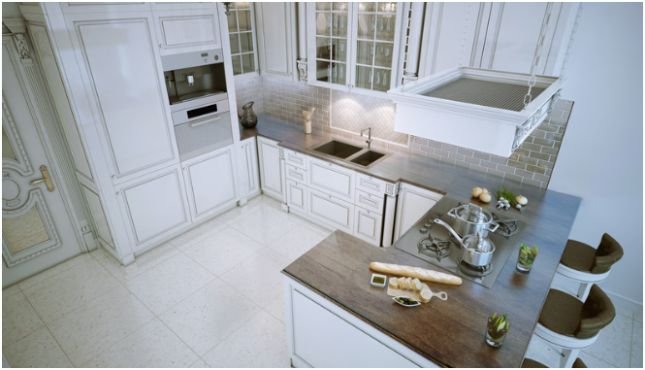
The work triangle remains one of the smartest principles in kitchen design because it reduces unnecessary movement.
Sink Placement
I placed my sink beneath a window on one leg of the L. Natural light instantly improved the workspace. It also created a visual focal point.
The sink should stay central because it connects prep work, cooking, and cleanup.
Stove Placement
The cooktop works best on the perpendicular leg. This separates cooking from cleanup and creates a dedicated heat zone.
Avoid placing the stove directly beside tall cabinets. Tight spacing traps heat and limits movement.
Refrigerator Placement
I learned this lesson the hard way. Placing the refrigerator too close to the center disrupted traffic every morning.
The fridge works best at the outer edge of the layout so family members can access it without interrupting cooking.
Smart Corner Storage Solutions
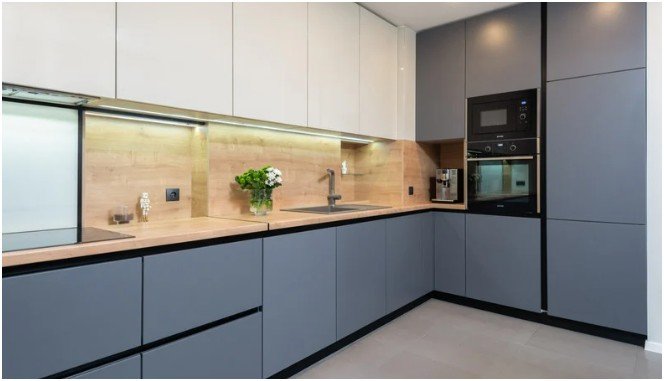
Kitchen corners become dead space fast unless you plan them carefully.
Lazy Susans
Rotating trays transformed one of my deepest cabinets from useless to incredibly practical. Pots and mixing bowls became easy to reach.
Magic Corners
These pull-out systems slide completely from blind corners. They cost more than standard shelving but dramatically improve storage access.
Corner Drawers
Corner drawers look unusual at first, but they use awkward spaces efficiently. I now recommend them for compact kitchens.
Diagonal Cabinets
A diagonal cabinet softens sharp corners while creating a wider cabinet opening.
How I Opened Up My L-Shaped Kitchen
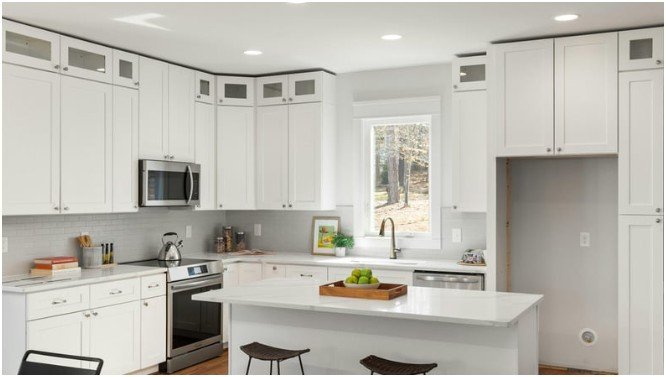
Opening the kitchen completely changed how the house felt.
Adding an Island
An island sounds appealing, but many kitchens simply lack enough clearance.
I almost made that mistake.
To work properly, an island needs at least 36 inches of clearance on every side. In front of appliances, 42 inches feels far more comfortable.
I also discovered that single-level islands work best visually. Keeping the countertop flat at 36 inches made the room feel larger.
My favorite upgrade was deep island drawers. They stored cookware, trash pull-outs, and heavy appliances far better than lower cabinets.
Pendant lights above the island helped define the kitchen without making the room feel boxed in.
When a Peninsula Works Better
A peninsula often solves the problems that islands create in smaller homes.
Instead of floating in the center, a peninsula connects directly to the cabinetry. This preserves walking space while still adding seating and prep areas.
I especially like peninsula layouts in narrow homes because they define the kitchen without blocking sightlines.
One smart addition was hidden steel countertop supports. Eliminating bulky corbels made the seating area feel cleaner and more modern.
Waterfall countertops also helped visually connect the peninsula to the rest of the room.
Best Storage Upgrades for an L-Shaped Kitchen
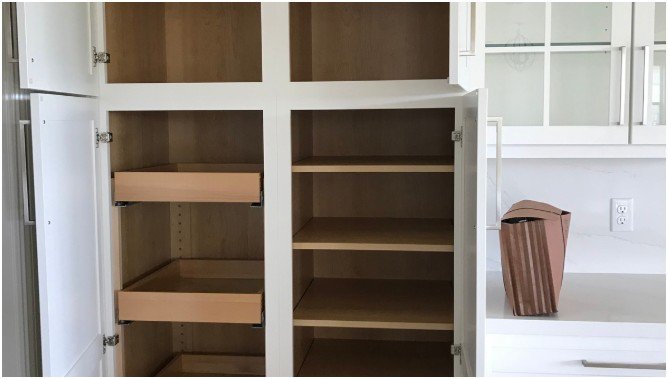
Storage upgrades made the remodel feel custom instead of standard.
Floor-to-Ceiling Pantry Cabinets
Tall pantry cabinets dramatically increased storage without crowding the room.
Vertical storage works especially well at the end of one leg of the L.
Appliance Garages
I used to leave my blender and toaster permanently on the counter. Appliance garages solved that instantly.
A simple roll-up cabinet door hides clutter while keeping appliances accessible.
Open Shelving
Removing upper cabinets from one wall made my kitchen feel almost twice as open.
I balanced the look by adding floating wood shelves for dishes and decorative items.
Under-Cabinet Lighting
This upgrade cost less than expected but completely changed the kitchen at night.
LED strips eliminated shadows and made prep work easier.
Design Tricks That Make Small Kitchens Look Bigger
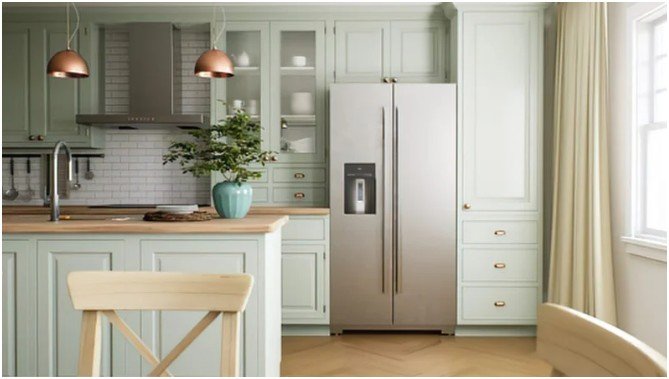
Visual openness matters just as much as square footage.
Two-Tone Cabinetry
I painted lower cabinets a darker shade and kept upper surfaces lighter. The contrast grounded the kitchen while keeping it bright.
This approach works especially well alongside thoughtful kitchen remodel color combinations that balance warmth and openness.
Integrated Appliances
Panel-ready refrigerators and dishwashers reduced visual clutter dramatically.
Instead of seeing bulky appliances, the room felt seamless.
Unified Flooring
Using identical flooring through the kitchen and living area visually expanded the entire main floor.
This trick works especially well in open-concept remodels.
Eliminating Upper Cabinets
Removing some upper cabinetry instantly reduced heaviness. Storage shifted into the island and pantry instead.
Common L-Shaped Kitchen Remodel Mistakes
The biggest remodeling mistakes usually involve spacing.
One common issue is oversized islands. Many homeowners prioritize appearance over clearance.
Another mistake is ignoring corner functionality. Standard cabinets waste huge amounts of usable space.
Poor lighting also ruins otherwise beautiful kitchens. A layered plan combining pendants, recessed lighting, and under-cabinet LEDs creates better functionality.
Finally, avoid placing the refrigerator directly inside the main traffic path.
FAQs
1. Is an L-shaped kitchen good for small homes?
Yes. An L-shaped layout keeps the center open, making smaller kitchens feel larger and easier to move through.
2. Can you add an island to an L shaped kitchen remodel?
Yes, but you need proper clearance. Most designers recommend at least 36 inches around the island.
3. What is better for a small kitchen, an island or peninsula?
In tighter kitchens, a peninsula usually works better because it preserves floor space while adding seating and storage.
4. What is the best lighting for an L-shaped kitchen?
A mix of recessed ceiling lights, pendant lights, and under-cabinet LEDs creates balanced illumination.
5. How much does an L-shaped kitchen remodel cost?
Costs vary widely depending on cabinetry, countertops, plumbing, and structural work. Most remodels range from moderate upgrades to full luxury renovations.
Your Kitchen Called — It Wants Better Traffic Flow
After finishing my remodel, I realized the smartest kitchens are not always the biggest. They simply use space better.
An L-shaped layout creates natural movement, better storage, and a more social atmosphere without wasting square footage. Focus on clear walkways, smarter corners, and visually open finishes first. Those upgrades improve daily life far more than trendy extras ever will.