
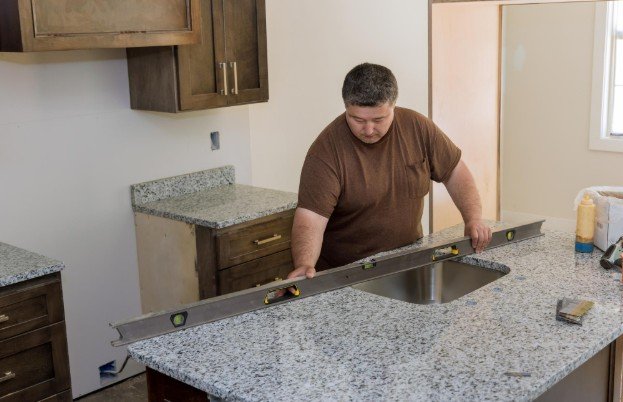
The granite was almost impossible to damage because it felt so strong, heavy, and permanent. Then I learned that even natural stone can absorb water, oil, wine, coffee, and cooking spills when the protective seal starts wearing down.
That is why How to Seal Granite Countertops Properly matters if you want your kitchen to stay beautiful without expensive repairs.
Why Granite Countertops Need Sealing
Granite is durable, but it is still a porous natural stone. Some slabs are dense and resist moisture well, while lighter or more porous granite can absorb liquids faster. Sealing does not create a plastic-like coating. Instead, a penetrating sealer sinks into the stone and helps block stains before they settle deep inside.
A good seal is especially helpful around sinks, coffee stations, cooktops, islands, and food prep zones. These areas deal with water, oils, sauces, and acidic spills almost every day.
How to Know If Your Granite Needs Sealing
Before sealing, do a simple water test. Place a few drops of water on the granite and wait about 10 to 15 minutes. If the water beads up, the seal is likely still working. If the granite darkens or absorbs the water, it is time to reseal.
Do this test in several spots, especially near the sink and stove. High-use areas often wear down faster than corners or decorative sections.
What You Need Before You Start
You need a pH-neutral stone cleaner, soft microfiber cloths, painter’s tape if needed, gloves, and a granite-safe penetrating sealer. Avoid vinegar, bleach, lemon juice, ammonia-heavy cleaners, and abrasive pads because they can dull or damage the surface.
Choose a sealer labeled for natural stone or granite. For kitchen counters, I prefer sealing for the food and beverages of concrete countertops once cured.
Step-by-Step Granite Sealing Guide

Step 1: Clear the Countertop
Remove appliances, jars, trays, cutting boards, and décor. Sealing works best when the entire surface is open and easy to reach.
Step 2: Clean the Surface
Spray the granite with a pH-neutral stone cleaner and wipe away grease, crumbs, dust, and residue. Pay close attention to the backsplash edge, sink rim, and cooktop area.
Step 3: Let the Granite Dry Fully
This step is easy to rush, but it matters. Granite should be fully dry before sealing because trapped moisture can prevent the sealer from absorbing evenly. Let it dry for several hours, or overnight if the surface was heavily cleaned.
Step 4: Test a Hidden Spot
Step 5: Apply the Sealer Evenly
Spray or pour a small amount of sealer onto the granite, then spread it with a clean microfiber cloth. Work in sections so the sealer stays manageable. The surface should look wet, but not flooded.
Step 6: Let It Penetrate
Most sealers need around 10 to 20 minutes to absorb, but always follow the label. If one area dries too quickly, add a little more sealer so the stone can absorb it evenly.
Step 7: Wipe Off All Excess
This is the most important step. Do not let leftover sealer dry on top of the granite. Buff the surface with a clean, dry microfiber cloth until it feels smooth and clear. Excess sealer can leave cloudy haze or sticky streaks.
Step 8: Let the Countertop Cure
Avoid heavy use for at least a few hours. Many sealers need up to 24 hours to cure fully. During that time, avoid water, cooking spills, cleaners, and countertop appliances.
Common Mistakes to Avoid
The biggest mistake is sealing dirty granite. Grease and residue can get trapped under the sealer. Another mistake is applying too much product. More sealer does not always mean better protection.
Do not skip the water test. Some granite does not need frequent sealing, and over-sealing can cause surface buildup. Also, never use a general household sealer unless it clearly says it is safe for granite or natural stone, just like air sealing your home requires the correct materials for long-term protection and efficiency.
How Often Should You Seal Granite Countertops?
There is no single schedule for every home. Busy kitchens may need sealing every 6 to 12 months. Lower-use countertops may last 1 to 2 years or longer. Dark, dense granite often needs less frequent sealing than lighter stone.
The best rule is simple: test the surface every few months. If water absorbs quickly, reseal. If it beads up, wait.
Polished vs Honed Granite Sealing Tips
Polished granite usually resists stains better because the surface is smoother and less absorbent. Honed granite has a softer matte finish and may absorb liquids faster, so it often needs closer attention.
If you have honed granite, test more often and wipe spills quickly. It can look beautiful, but it usually needs more careful maintenance, especially since granite colors range from white to black and lighter shades may show stains more easily.
How to Maintain Granite After Sealing
Use mild soap, warm water, or a pH-neutral stone cleaner for daily cleaning. Dry the counter after wiping to prevent water spots. Use cutting boards, trivets, and coasters even if the granite is sealed.
Clean spills quickly, especially oil, wine, tomato sauce, coffee, and citrus. A sealer gives you more time to clean, but it does not make granite stain-proof.
Frequently Asked Questions
1. Can I seal granite countertops myself?
Yes. Most homeowners can do it with the right cleaner, sealer, and microfiber cloths. The key is cleaning well, letting the surface dry, and wiping away excess sealer.
2. What happens if I do not seal granite?
Unsealed granite can absorb liquids and develop dark spots or stains. High-use areas around sinks and cooktops are usually most vulnerable.
3. How do I fix cloudy haze after sealing?
Cloudy haze usually means excess sealer dried on the surface. Try applying a small amount of the same sealer to soften the residue, then buff it off with a dry microfiber cloth.
4. How to Seal Granite Countertops Properly without streaks?
Work in small sections, follow the sealer’s dwell time, and wipe off every bit of excess before it dries. Buffing is what creates a clean, streak-free finish.
Final Thoughts
I like granite because it brings natural character into a kitchen, but I also know it needs simple care to stay looking its best. How to Seal Granite Countertops Properly comes down to patience: clean the surface, let it dry, apply the right sealer, wipe thoroughly, and allow enough cure time.
Once you understand the process, sealing granite feels less intimidating and more like routine home care. A little effort can protect your countertops from stains, dull spots, and long-term wear.