I’ve always believed small kitchens can feel just as stylish and functional as larger spaces when every design choice works harder. That is exactly why I love butcher block countertops. They instantly warm up a compact kitchen, create a more inviting atmosphere, and make limited square footage feel less cold and cramped.
When I started researching smart countertop layouts for tighter kitchens, I noticed one thing repeatedly: homeowners were moving away from bulky dark surfaces and choosing natural wood countertops instead. The right butcher block design can completely reshape how a small kitchen looks and functions without requiring a massive renovation budget.
Why Butcher Block Works So Well in Compact Kitchens
Natural wood introduces warmth that stone surfaces sometimes lack. In smaller kitchens, that warmth matters because it softens the room visually and helps the space feel comfortable instead of crowded.
Butcher block countertops also reflect light better than many darker materials like maple, birch, and light oak surfaces brighten narrow kitchens and visually expand tight layouts.
Another reason these countertops work well is flexibility. You can install them across the entire kitchen, use them only on an island, or combine them with other countertop materials for contrast.
Use Light Wood Tones to Open Up the Room
One of the smartest design tricks for smaller kitchens is choosing lighter wood species. Maple butcher block remains one of the most popular options because its creamy color helps bounce light around the room.
Pairing light countertops with white cabinets creates a fresh appearance that feels clean without looking sterile. I also like combining soft wood counters with warm greige cabinets because the contrast feels balanced without overpowering the room.
Avoid extremely dark wood in kitchens with limited natural light. Walnut can look stunning, but too much dark wood may make compact kitchens feel visually heavy.
Add a Small Butcher Block Island
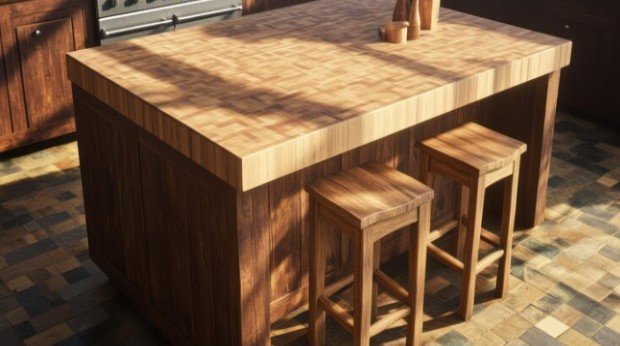
Even tiny kitchens can benefit from additional prep space. A narrow butcher block island provides storage, dining space, and food prep functionality without making the room feel overcrowded.
Rolling island styles work especially well for apartments or galley kitchens. You can move them when needed while still enjoying the warmth and practicality of wood countertops.
Some homeowners also use butcher block carts with shelving underneath for cookware storage. This creates extra organization without requiring permanent remodeling.
Mix Butcher Block With Stone Countertops
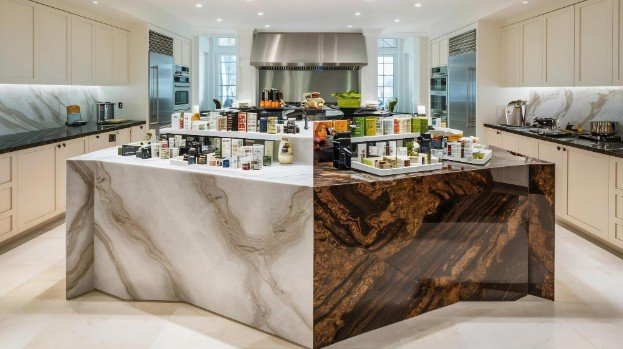
One trend gaining popularity is combining butcher block with quartz or stone surfaces. This approach works especially well in smaller kitchens because it visually breaks up the room and prevents the countertops from looking too repetitive.
I personally like placing butcher blocks on the island while using quartz around the perimeter. The contrast creates depth while maintaining durability near heavy water zones.
Another smart option involves adding a small stone insert near the sink. This protects the wood from constant moisture exposure while preserving the warm appearance of butcher block throughout the rest of the kitchen.
Create More Prep Space With Sink Covers
Small kitchens often struggle with limited prep areas. A custom butcher block sink cover instantly solves that issue. When placed over the sink, the cover creates additional workspace for meal prep while maintaining a seamless countertop appearance.
Some homeowners even use oversized cutting boards that fit perfectly over farmhouse sinks. This idea works especially well in apartments where countertop space is extremely limited.
Extend the Counter Into a Breakfast Bar
If your kitchen layout allows it, extending butcher block countertops into a slim breakfast bar can make a huge difference. A compact overhang creates space for quick meals, coffee breaks, or laptop work without requiring a full dining table.
Slim bar stools can slide underneath when not in use, helping maintain clear walkways. This approach works particularly well in open-concept apartments where kitchens blend into living spaces.
Use Open Shelving With Wood Countertops
Heavy upper cabinets can make small kitchens feel boxed in. Replacing some upper cabinets with floating shelves creates visual openness while complementing butcher block beautifully.
Wood countertops paired with simple white shelving create a relaxed and airy design style that feels modern without becoming trendy. I also recommend keeping shelf décor minimal. Too many accessories can quickly make compact kitchens feel cluttered.
Best Cabinet Colors for Butcher Block
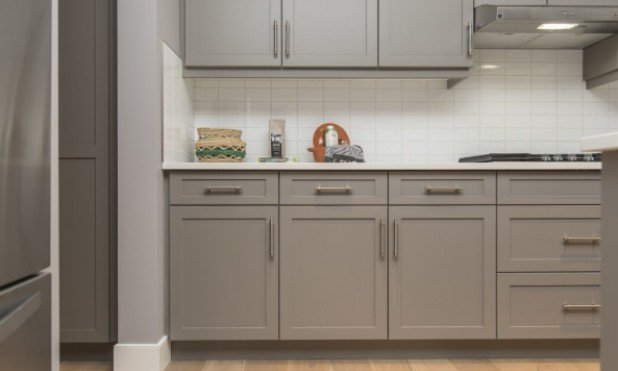
Cabinet color plays a huge role in the final appearance of a small kitchen. White cabinets remain the safest option because they maximize brightness. Soft sage green cabinets pair beautifully with natural wood for a warm organic look.
Choose Durable Finishes for Long-Term Use
Many people worry about maintenance, but modern sealants make butcher blocks much easier to care for than older installations. Mineral oil remains popular for food-prep surfaces, while polyurethane finishes provide stronger water resistance for busy kitchens.
If your kitchen experiences heavy sink use, sealing becomes even more important. Always wipe spills quickly and avoid allowing standing water to sit on the surface for long periods.
Budget-Friendly Ways to Use Butcher Block
You do not need a massive renovation budget to incorporate a butcher block into your kitchen. One affordable approach involves replacing only a section of your countertops. Many homeowners install butcher block on islands while keeping existing laminate surfaces elsewhere.
Prefabricated butcher block slabs are also significantly cheaper than custom stone counters. Some homeowners even tackle installation themselves to reduce labor costs further.
Frequently Asked Questions
1. Is butcher block good for small kitchens?
Yes, butcher block works exceptionally well in compact kitchens because lighter wood tones help the space feel brighter, warmer, and more open.
2. What is the best wood for butcher block countertops?
Maple is one of the most popular choices because it is durable, light in color, and complements many cabinet styles.
3. Do butcher block countertops require a lot of maintenance?
They require regular care, but modern finishes make maintenance easier than many people expect. Quick cleanup and occasional sealing usually keep them looking beautiful.
4. Are Butcher Block Countertop Ideas for Small Kitchens affordable?
Many butcher block options cost less than premium stone countertops, especially when using prefabricated slabs or partial countertop installations.
Final Thoughts
After exploring different layouts and materials, I still think butcher block remains one of the smartest choices for compact kitchens. It adds warmth, improves functionality, and creates a welcoming atmosphere that many small spaces desperately need.
What I love most is the flexibility. Whether you want a rolling island, a cozy breakfast ledge, or mixed-material countertops, butcher block adapts beautifully to nearly any kitchen style. With the right layout and finish, even the smallest kitchen can feel stylish, practical, and surprisingly spacious.