I learned pretty quickly that butcher block countertops can either age beautifully or become a stained, dry, water-damaged mess if you ignore basic maintenance. When I first installed mine, I loved the warm wood look, but I underestimated how much moisture, heat, and everyday kitchen activity could damage the surface over time.
The good news is that protecting butcher block is not difficult once you understand the right products and habits. A few simple routines can help the wood stay smooth, rich, and durable for years. If you want a countertop that keeps its natural charm without constant repairs, these practical tips will help you avoid the mistakes many homeowners make.
Why Butcher Block Countertops Need Protection
Wood is naturally porous. That means butcher block absorbs water, oil, food spills, and bacteria if it is left untreated. Unlike stone countertops, wood reacts to humidity and temperature changes, which can cause cracking, warping, or swelling.
Busy kitchens create even more stress on the surface. Hot pans, standing water near sinks, knife marks, and acidic foods slowly wear down the finish. Without proper sealing and maintenance, the countertop starts looking dull and rough much faster. The key is building a protective barrier while still allowing the wood to maintain its natural appearance.
Choosing the Right Finish for Your Countertop
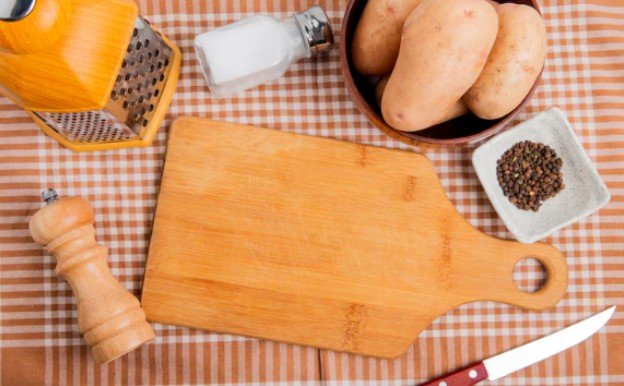
One of the biggest mistakes people make is choosing the wrong finish for how they actually use their kitchen.
Mineral Oil for Food Prep Areas
Food-grade mineral oil remains one of the safest and most popular options for butcher block countertops. It penetrates the wood instead of sitting on top of it, helping prevent drying and cracking.
Mineral oil works especially well if you regularly prepare food directly on the surface. It is easy to apply and affordable, but it does require regular maintenance.
Beeswax and Conditioner Creams
Many homeowners combine mineral oil with butcher block conditioner or beeswax cream. The wax creates additional moisture resistance and helps the surface feel smoother. This combination works well for families who cook frequently and want a natural-looking finish.
Polyurethane for Heavy Moisture Areas
If your countertop sits near a sink or coffee station, polyurethane offers stronger water protection. Unlike oil finishes, polyurethane forms a protective film on the surface. The downside is that scratches are harder to repair because sanding usually requires refinishing the entire area.
Tung Oil and Hardwax Oils
Tung oil and hardwax oils provide a middle-ground option. They penetrate deeper than mineral oil while offering better water resistance. Many modern kitchen remodels use these finishes because they preserve the natural wood appearance without requiring constant upkeep.
Step-by-Step Protection Routine
Clean the Surface Daily
Use a soft cloth with mild dish soap and warm water. Avoid soaking the wood or leaving puddles behind. After cleaning, always dry the countertop immediately. Harsh cleaners containing bleach or ammonia can damage protective finishes and dry out the wood.
Apply Oil Regularly
New butcher block countertops usually need more frequent oiling during the first few months. After that, most surfaces only require treatment once every few weeks depending on kitchen usage.
Apply a generous layer of food-grade mineral oil using a lint-free cloth. Let it soak overnight, then wipe away excess oil the next morning. This simple process is one of the easiest ways to maintain durability and prevent cracking.
Protect Sink Areas Carefully
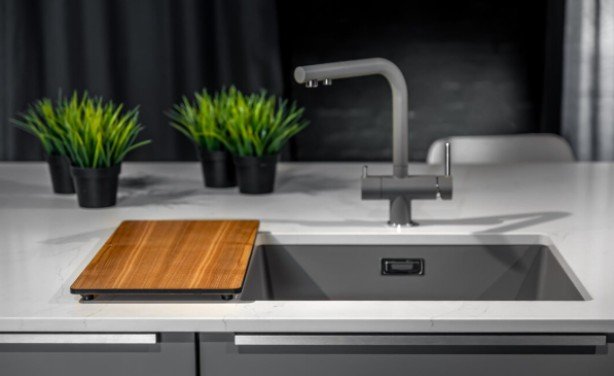
Water exposure is the biggest enemy of butcher block countertops. The area around the sink often shows wear first because water continuously collects near seams and edges. Always wipe away standing water immediately.
Even a small puddle left overnight can slowly penetrate the wood fibers. Using waterproof mats near the sink can help reduce moisture exposure. Some homeowners also install a slightly stronger sealant around sink cutouts for extra protection.
Prevent Heat and Scratch Damage
Wood countertops handle everyday kitchen use well, but they still need protection from excessive heat and sharp impacts.
Use Cutting Boards
Even though butcher block looks durable, repeated knives use leaves scratches that eventually trap moisture and food particles. Using separate cutting boards keeps the countertop surface smoother and easier to clean.
Never Place Hot Pans Directly on the Surface
Heat can dry out finishes and create burn marks that are difficult to remove. Trivets and heat pads provide an easy solution.
Avoid Heavy Impact Damage
Dropping cast iron cookware or kitchen appliances can dent softer wood species permanently. Simple habits like lifting appliances carefully help extend the life of the countertop significantly.
Signs Your Countertop Needs Maintenance
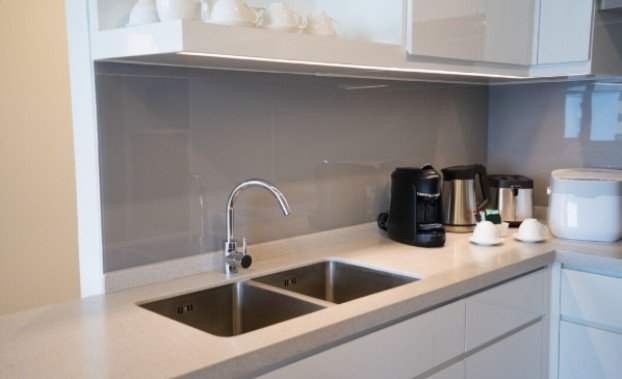
Many people wait too long before reapplying oil or refinishing the wood. The countertop usually gives clear warning signs first. Watch for:
- Dry or faded appearance
- Rough texture
- Water absorbing quickly instead of beading
- Small cracks forming near seams
- Dark water stains around the sink
If you notice these issues early, basic sanding and re-oiling usually restore the surface easily.
Common Mistakes That Ruin Butcher Block
One of the most common mistakes is over-washing the countertop with excessive water. Wood and standing moisture never work well together. Another major issue is ignoring maintenance for long periods. Wood needs occasional conditioning to remain stable.
Many homeowners also use generic household cleaners that slowly strip protective finishes. Sticking with mild soap and food-safe products helps preserve the surface longer.
Frequently Asked Questions
1. How often should butcher block countertops be oiled?
Most countertops benefit from oiling every few weeks, although heavily used kitchens may require more frequent applications.
2. What is the best finish for butcher block countertops?
Mineral oil works best for food-prep surfaces, while polyurethane provides stronger protection in moisture-prone areas.
3. Can water damage butcher block countertops?
Yes, standing water can cause swelling, stains, cracking, and warping if the surface is not properly sealed and maintained.
4. How to Protect Butcher Block Countertops from stains?
Wipe spills immediately, avoid acidic liquids sitting on the surface, and maintain a consistent sealing or oiling schedule.
Final Thoughts That Helped Me Most
After living with butcher block countertops for years, I realized the secret is consistency rather than complicated maintenance. Small daily habits make a massive difference in how the wood ages over time.
Once I started wiping away water quickly, using cutting boards consistently, and reapplying oil before the surface looked dry, the countertop stayed beautiful with very little effort. Butcher block can absolutely last for years if you treat it like a natural material instead of an indestructible surface.