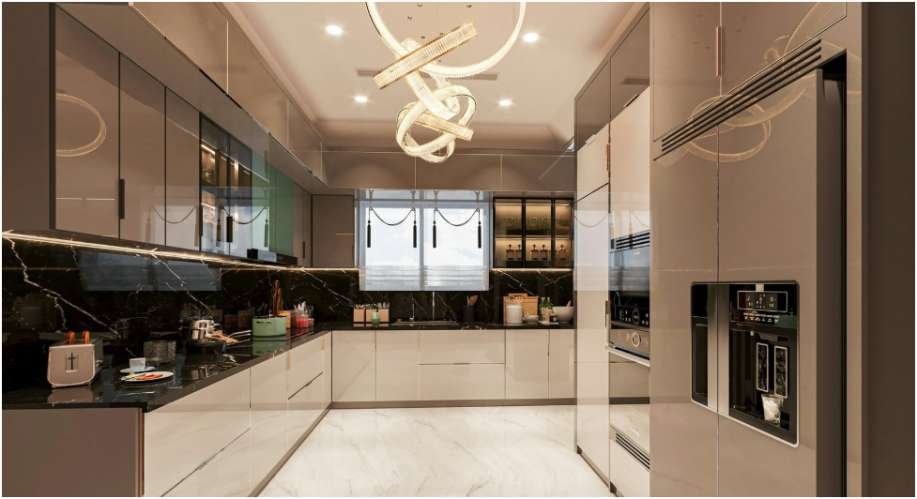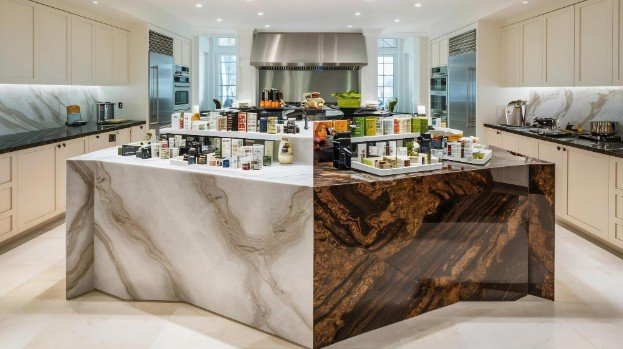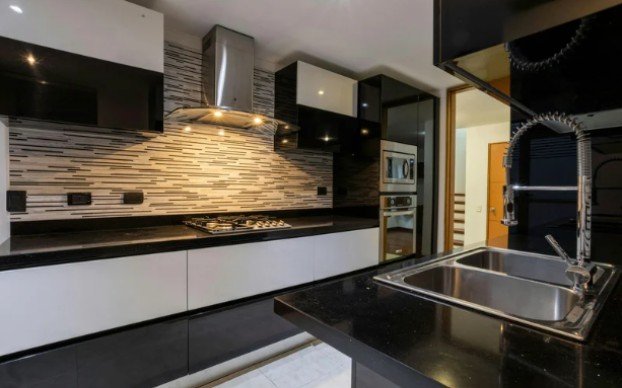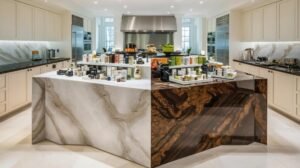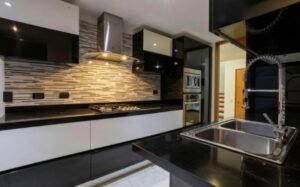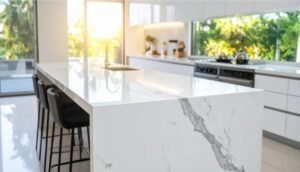
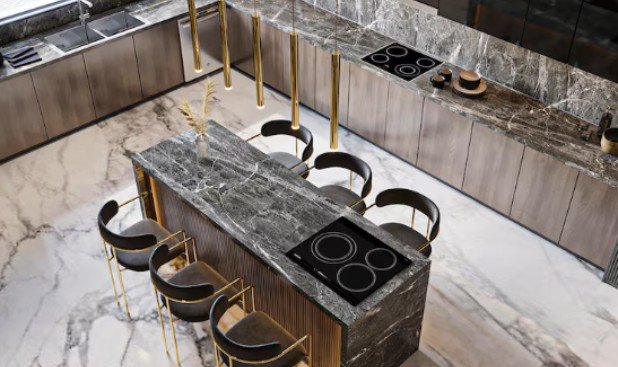
Marble countertops were the ultimate kitchen upgrade. The soft veining, bright finish, and timeless style always caught my attention in luxury homes and modern remodels. But after researching real maintenance costs, sealing requirements, and long-term durability, I realized marble is not always practical for busy kitchens.
That pushed me to explore smarter materials that still deliver the same elegant appearance. The good news is there are now several stunning options that imitate marble beautifully without the constant upkeep.
Some are more affordable, some are more durable, and others work better for families who cook daily. If you want a luxurious kitchen without worrying about stains, scratches, or endless maintenance, these ideas can completely change the way you approach your remodel.
Why Homeowners Are Choosing Marble Alternatives
Marble remains beautiful, but many homeowners now prefer materials that fit modern lifestyles. Kitchens experience heat, spills, moisture, knife scratches, and heavy traffic every day. Natural marble can etch easily when exposed to acidic foods like lemon juice, vinegar, or tomato sauce.
That is why many remodelers now focus on surfaces that combine visual appeal with practicality. The goal is to achieve the high-end marble look while improving durability and reducing maintenance.
Another major factor is budget. Real marble often increases project costs because of material pricing, sealing treatments, installation complexity, and future maintenance. Many newer countertop materials provide a similar appearance at a lower long-term cost.
Quartz Countertops Create the Most Popular Marble Look
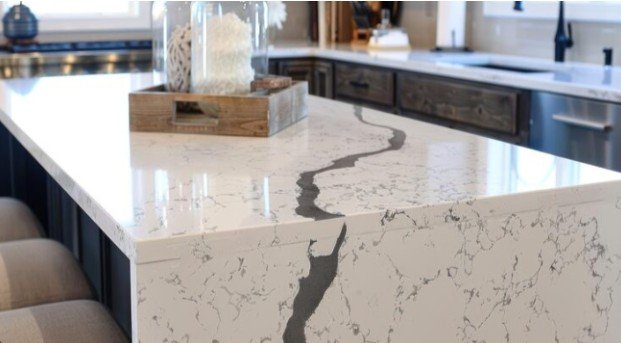
Quartz continues to dominate modern kitchen remodeling because it combines beauty with low maintenance. Manufacturers now create quartz slabs with dramatic veining patterns that closely resemble Carrara marble, Calacatta marble, and Statuario marble.
Unlike natural marble, quartz is non-porous. That means it resists stains from coffee, wine, oils, and sauces much better. It also does not require regular sealing. Many homeowners choose quartz because it works well in both contemporary and traditional kitchens.
White quartz with gray veining pairs beautifully with shaker cabinets, black hardware, wood flooring, and large kitchen islands. Quartz also offers consistent patterns, which makes matching slabs easier during installation. This helps create a cleaner and more balanced design.
Quartzite Gives You Natural Stone Durability
Quartzite is often confused with quartz, but it is actually a natural stone. It offers a more authentic texture and appearance while delivering better durability than marble. Many quartzite slabs feature dramatic veining patterns similar to premium marble surfaces. However, quartzite is typically harder and more resistant to scratching.
Homeowners who want the feel of genuine natural stone often prefer quartzite because it preserves a luxurious appearance while handling heavy kitchen use more effectively. Some quartzite options still require sealing, but maintenance is usually simpler than caring for delicate marble countertops.
Porcelain Slabs Are Growing Fast in Modern Kitchens
One reason designers love porcelain is the ultra-thin modern appearance. Large-format slabs create sleek kitchens with minimal seams and a clean architectural feel. Porcelain also handles high temperatures better than many other materials.
That makes it ideal for homeowners who cook frequently or place hot cookware directly on surfaces. Another advantage is flexibility. Porcelain can be used not only for countertops but also for waterfall islands, full-height backsplashes, and wall panels.
Granite Still Works Beautifully in Traditional Kitchens
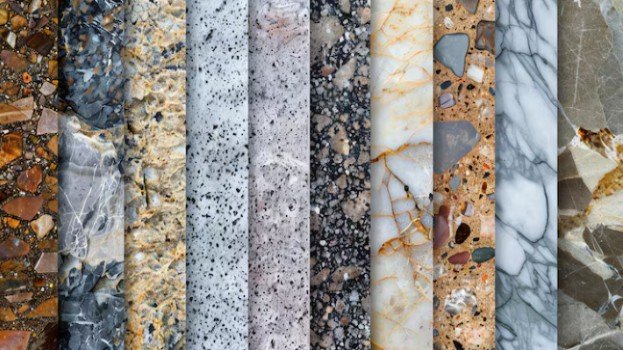
Granite remains a strong option for people who want natural stone without the softer surface of marble. Some reviews of granite concepts with different styles feature soft veining and movement patterns that resemble marble from a distance. Granite is well known for durability. It handles heat very well and resists scratches better than marble in most cases.
Many traditional kitchens combine granite countertops with warm wood cabinetry, farmhouse sinks, and decorative lighting. The result feels elegant without becoming overly delicate. For homeowners who enjoy natural materials but want fewer maintenance concerns, granite continues to deliver long-lasting value.
Solid Surface Materials Offer Seamless Designs
Solid surface countertops create a smooth and seamless appearance that works well in minimalist kitchens. These materials can imitate marble patterns while allowing integrated sinks and nearly invisible seams. That creates a clean and modern visual effect.
One advantage of solid surface materials is repairability. Minor scratches and surface imperfections can often be sanded out more easily compared to stone materials. Many homeowners also appreciate the softer and warmer feel of solid surfaces compared to colder natural stone countertops.
Laminate Has Improved More Than Most People Expect
Modern laminate countertops are far more advanced than older designs from past decades. High-definition printing technology now creates surprisingly realistic marble visuals. For homeowners remodeling on a tighter budget, laminate provides one of the most affordable ways to achieve a bright marble-inspired kitchen.
Laminate works especially well in rental properties, starter homes, basement kitchens, and quick cosmetic remodels. Although laminate is not as durable as quartz or porcelain, many newer products offer improved water resistance and better edge detailing.
Choosing the Right Option for Your Lifestyle
The best countertop choice depends on how you use your kitchen every day. If you want minimal maintenance, quartz is usually the safest option. If you love authentic tile trends textures, quartzite may fit your style better.
If you prioritize modern design and heat resistance, porcelain slabs stand out. Families with children often prefer surfaces that resist staining and scratching. Serious home cooks may prioritize heat resistance and durability.
Budget-conscious remodelers may lean toward laminate or entry-level granite. Instead of focusing only on appearance, think about cleaning habits, cooking frequency, and long-term maintenance before making a final decision.
Common Design Trends That Pair Well With Marble Alternatives
Many modern kitchens combine marble-look surfaces with natural textures and warm accents. Popular combinations include:
White Cabinets With Soft Gray Veining
This combination creates a bright and timeless appearance that works in both modern and farmhouse kitchens.
Black Hardware and Marble-Look Quartz
Dark fixtures add strong contrast while helping countertops stand out visually.
Wood Tones and Porcelain Slabs
Warm wood textures soften the cooler appearance of stone-inspired surfaces.
Waterfall Islands
Large waterfall islands continue to dominate luxury kitchen designs because they highlight dramatic veining patterns beautifully.
Frequently Asked Questions
1. What are the Best Marble Alternatives for Kitchens?
Quartz, quartzite, porcelain, granite, solid surface, and laminate are among the most popular choices because they combine durability with elegant marble-inspired visuals.
2. Which material looks most like real marble?
High-quality quartz and porcelain slabs currently offer some of the most realistic marble-look designs available.
3. Which countertop material requires the least maintenance?
Quartz is usually considered the easiest material to maintain because it does not require sealing and resists staining well.
4. Is quartz cheaper than marble?
In many cases, quartz offers lower long-term maintenance costs while providing a similar luxury appearance.
A Smarter Way to Get the Marble Look
After comparing so many kitchen surfaces, I realized the smartest remodels are not always about choosing the most expensive material. The best kitchens balance appearance, durability, maintenance, and everyday practicality.
Today’s countertop options make it possible to achieve a sophisticated marble-inspired kitchen without dealing with constant sealing, staining, or delicate surfaces. Whether you choose quartz, porcelain, quartzite, or even modern laminate, you can still create a kitchen that feels stylish, welcoming, and built to last.