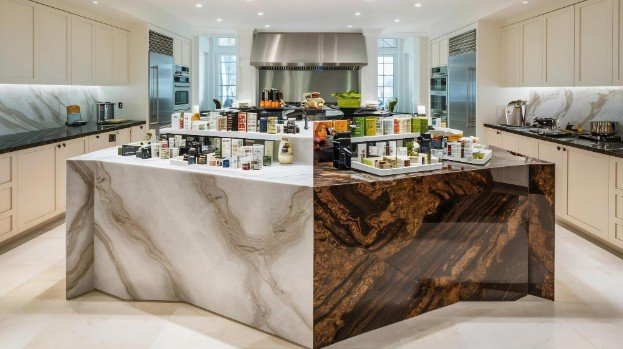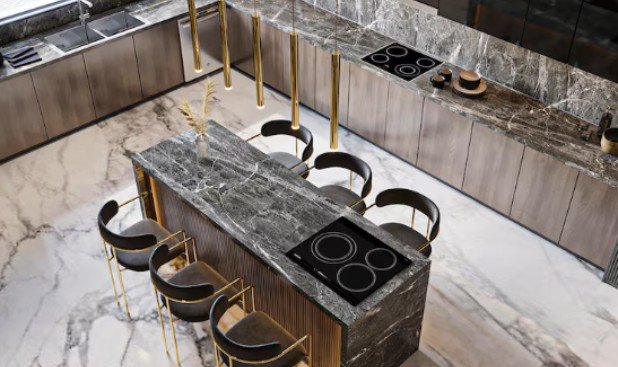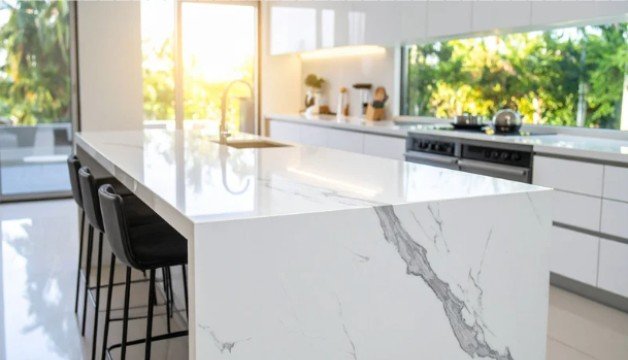
Installed marble countertops, I quickly realized they needed more attention than other surfaces. Marble looks luxurious, brightens a kitchen instantly, and adds timeless appeal, but it also reacts fast to spills, moisture, and acidic foods. After learning through trial and error, I found that simple habits make a huge difference in keeping marble clean and polished for years.
These marble countertop maintenance tips helped me avoid stains, dull spots, scratches, and expensive repairs. If you want your countertops to keep their natural shine without constant stress, these practical strategies will help you protect your investment.
Why Marble Countertops Need Special Care
Marble is a natural stone made mostly of calcium carbonate. That means acidic ingredients like lemon juice, vinegar, tomato sauce, and wine can damage the surface quickly. Unlike quartz, marble is porous, so it absorbs liquids if left untreated.
Daily cooking activities can slowly wear down the finish if you do not maintain the surface correctly. Water rings, oil stains, etching, and scratches often happen because homeowners use the wrong cleaning products or delay oil spill cleanup. The good news is that marble care becomes easy once you build a consistent routine.
Clean Spills Immediately Before They Stain
One of the most important habits I developed was wiping spills right away. Marble absorbs liquids fast, especially coffee, wine, juice, cooking oils, and sauces. Instead of scrubbing aggressively, blot the spill gently with a soft microfiber cloth.
Rubbing spreads the liquid deeper into the stone and increases the chance of staining. Warm water and a small amount of mild dish soap usually work well for everyday cleanup. After cleaning, dry the surface completely to prevent water spots from forming.
Avoid Acidic and Harsh Cleaning Products

Many people accidentally ruin marble by using regular household cleaners. Products containing bleach, ammonia, citrus, or vinegar slowly eat away at the polished surface. I only use pH-neutral stone cleaners specifically designed for natural stone surfaces.
Even popular disinfecting sprays can dull marble over time. You should also avoid rough scrub pads and stiff brushes because they create fine scratches that become more visible under kitchen lighting. Safe cleaning marble aren’t difficult this tools include:
- Microfiber cloths
- Soft sponges
- Stone-safe cleaners
- Warm water
- Gentle dish soap
Seal Marble Regularly for Better Protection
Sealing is one of the most effective ways to extend the life of marble countertops. A quality penetrating sealer helps reduce how quickly liquids soak into the stone. Most marble countertops benefit from resealing every six to twelve months depending on usage. Kitchens with heavy cooking activity may require more frequent sealing.
I use a simple water-drop test to know when resealing is necessary. If water beads on the surface, the seal is still working. If the water darkens the stone quickly, it is time to reseal. Professional-grade sealers usually provide stronger protection than basic store products, especially in busy kitchens.
Use Cutting Boards and Trivets Every Day
Marble scratches more easily than many homeowners expect. Even small crumbs trapped under dishes can leave marks behind. I never cut directly on marble surfaces because knives damage both the countertop and the blade itself. Wooden cutting boards protect the stone while keeping meal prep easier.
Hot cookware is another major risk. Sudden temperature changes can weaken natural stone over time. An object named trivets and heat pads help prevent heat marks and surface stress. Simple protective habits save a lot of money on future repairs.
Prevent Etching From Acidic Foods
Etching is one of the most frustrating marble problems because it removes shine from the surface. Unlike stains, etching changes the texture of the stone itself. Acidic foods are usually responsible, including:
- Lemons
- Vinegar
- Tomatoes
- Soda
- Wine
- Citrus cleaners
I learned to place trays under drink stations and food prep areas where spills happen often. Coasters also help protect marble islands from coffee cups and glasses. If etching becomes severe, professional polishing may be required to restore the finish.
Develop a Weekly Marble Cleaning Routine
A consistent routine keeps marble looking polished longer. Once a week, I clear the countertops completely and clean every section carefully. First, I wipe away crumbs and dust using a dry microfiber cloth. Then I clean the surface with warm water and a stone-safe cleaner. Finally, I dry everything fully to prevent streaks and water buildup.
Protect Marble From Everyday Kitchen Damage
Busy kitchens create constant wear on countertops. Small preventative steps help reduce long-term damage significantly.
Here are a few habits that made a major difference for me:
Keep Toiletries and Oils Off Marble
Cooking oils, beauty products, and colored liquids can leave deep stains if left sitting too long.
Use Soft Bottom Accessories
Decor trays, appliances, and storage containers with rough bottoms can scratch polished marble.
Avoid Standing Water
Water near sinks can slowly weaken the finish and create dull areas around faucet zones.
Never Drag Heavy Appliances
Coffee makers, mixers, and air fryers should always be lifted rather than dragged across the surface.
How to Handle Stains on Marble Countertops
Even careful homeowners eventually deal with stains. The key is identifying the stain type before treating it. Oil-based stains may respond well to baking soda poultices, while organic stains sometimes lighten with hydrogen peroxide-based treatments designed for stone.
Always test cleaning solutions in a hidden area first. Aggressive stain removal methods can worsen discoloration or damage polished finishes. For deep stains or severe etching, professional restoration is often the safest option.
Frequently Asked Questions
How often should marble countertops be sealed?
Most countertops need sealing every six to twelve months. Heavy kitchen use may require more frequent protection.
Can I use vinegar to clean marble?
No. Vinegar is acidic and can permanently etch marble surfaces.
What is the best daily cleaner for marble?
A pH-neutral stone cleaner and microfiber cloth are usually the safest combination for daily care.
Do marble countertops scratch easily?
Yes. Marble is softer than granite and quartz, so cutting boards and protective pads are strongly recommended.
Are these marble countertop maintenance tips enough to prevent stains completely?
These habits reduce staining significantly, but marble remains a porous natural stone that still requires ongoing care.
Keeping Marble Beautiful for Years
I learned that marble countertops stay beautiful when maintenance becomes part of daily kitchen habits instead of an occasional chore. Quick spill cleanup, gentle cleaning marble products, regular sealing, and simple protective tools make an enormous difference over time.
These surfaces may require more attention than other countertop materials, but the visual impact is worth the effort. With the right care routine, marble can remain polished, elegant, and timeless for many years without losing its natural charm.