I thought my kitchen remodel would instantly improve my daily life. Instead, I spent months noticing small frustrations that slowly became impossible to ignore. Some problems looked minor during construction but became exhausting once I used the kitchen every day.
The biggest surprise was realizing that beautiful kitchens do not automatically function well. Several Kitchen Remodel Mistakes had nothing to do with style. They involved spacing, storage, lighting, appliance placement, and workflow decisions that affected cooking, cleaning, and movement constantly.
Most remodeling blogs focus heavily on trends. Very few explain how tiny layout decisions can quietly ruin usability long after the contractors leave.
Quick Kitchen Remodel Mistakes Reference Table
| Mistake | What Happened | Better Solution |
| Narrow walkways | Constant traffic bottlenecks | Maintain 42–48 inches of clearance |
| Oversized island | Kitchen felt cramped | Prioritize movement over island size |
| Deep lower cabinets | Difficult storage access | Install wide drawers or pull-outs |
| Weak task lighting | Shadows blocked prep space | Position lighting over counter edges |
| Limited outlets | Appliance overload | Add outlets every 3–4 feet |
| Trend-heavy finishes | Kitchen dated quickly | Keep permanent surfaces timeless |
| Appliance clashes | Doors hit each other | Fully map appliance swing zones |
| Short upper cabinets | Dust buildup above cabinets | Extend cabinetry to the ceiling |
I Focused Too Much on Looks Instead of Workflow
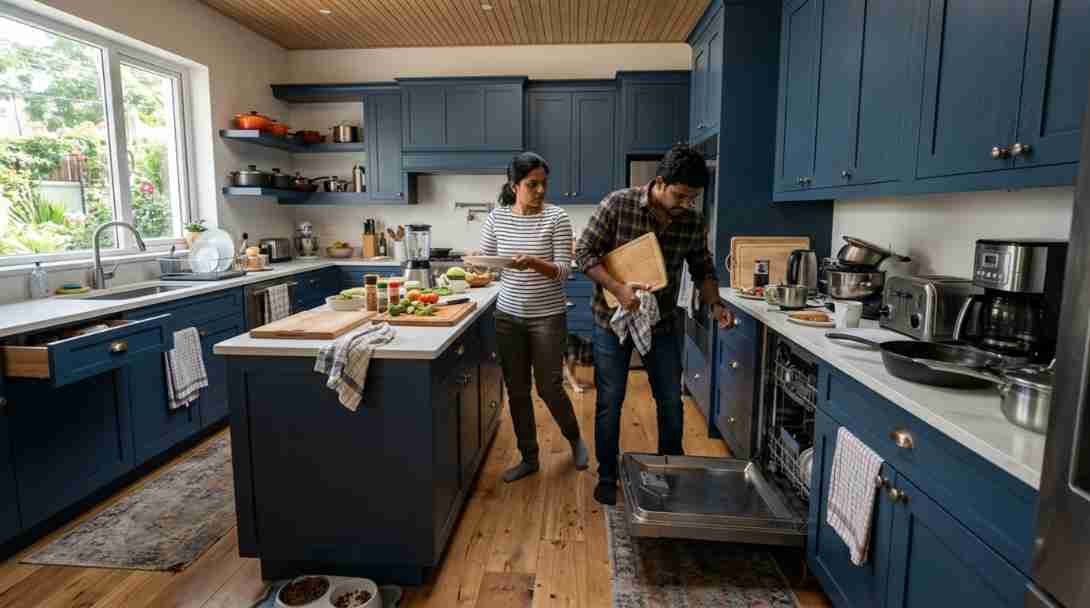
I spent hours comparing cabinet colors and countertop inspiration. I barely spent time studying kitchen movement patterns.
That was my first major mistake.
Why Tight Walkways Become Exhausting
The clearance between countertops and islands matters more than most homeowners realize. My original layout looked spacious on paper, but once multiple people entered the kitchen, everything felt crowded.
According to the National Kitchen and Bath Association, kitchens work best when walkways allow enough room for appliance doors and human traffic simultaneously.
I learned that anything under 42 inches between opposing counters creates constant bottlenecks. If two people cook together often, 48 inches feels dramatically better.
The Island Mistake That Shrinks Your Kitchen
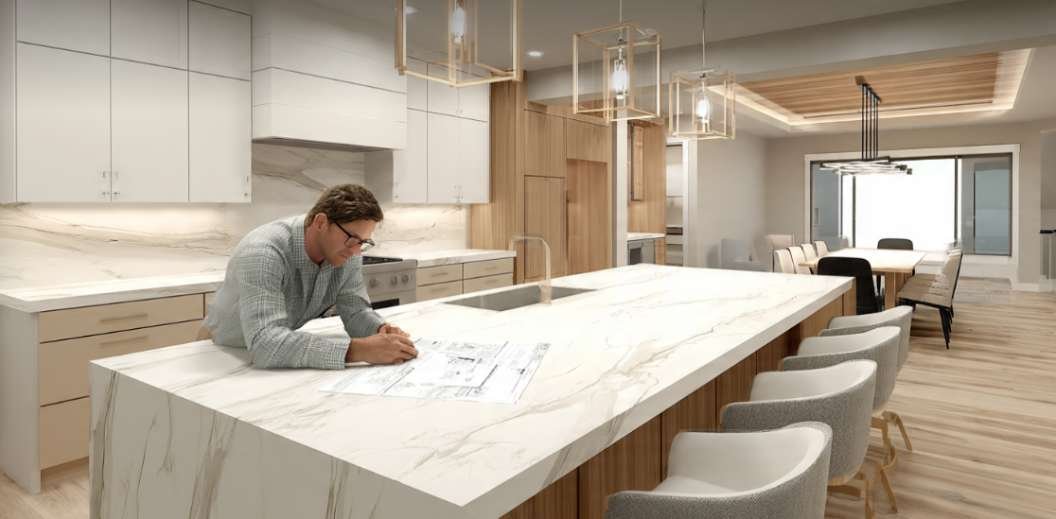
I almost forced a larger island into the center because oversized islands dominate social media remodel photos.
Thankfully, I reduced the size before installation.
Many homeowners sacrifice functional walking space just to include an island. A cramped kitchen with an oversized island feels stressful quickly. Sometimes an open floor plan works better than squeezing in unnecessary cabinetry.
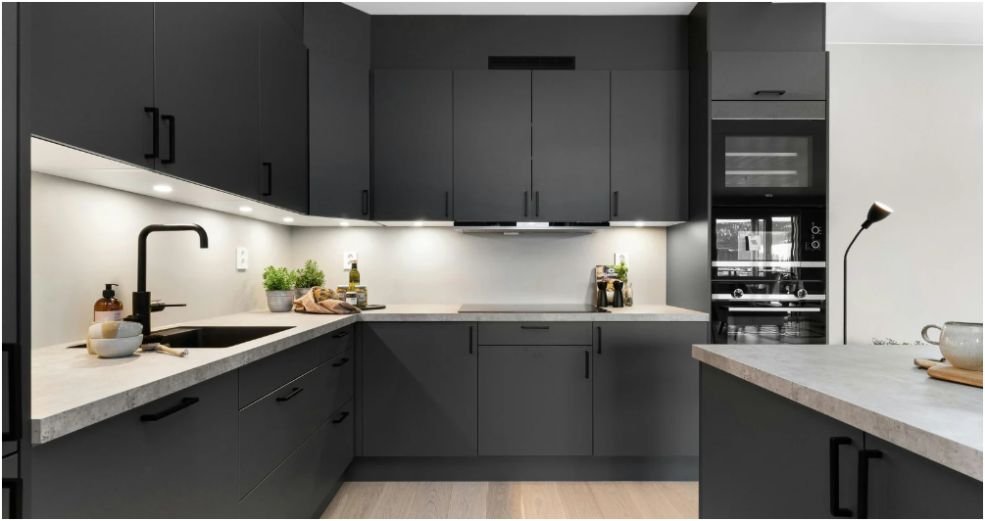
If you are planning a L shaped kitchen remodel, prioritize movement first. Corners and pathways matter more than adding extra countertop square footage.
The Storage Decisions I Regret Most
Storage mistakes create frustration every single day because kitchens depend heavily on repetitive motion.
Why Deep Lower Cabinets Became Annoying Fast
Traditional lower cabinets seemed fine during planning. After moving in, I hated crouching down constantly to reach pans and containers buried in the back.
Wide drawers changed everything later.
Full-extension drawers improve visibility, reduce strain, and make heavy cookware easier to access. Deep static cabinets waste usable storage because items disappear into dark corners.
The best kitchen upgrades are often invisible improvements that reduce friction during everyday tasks.
The Ceiling-Height Cabinet Upgrade I Should Have Done Sooner
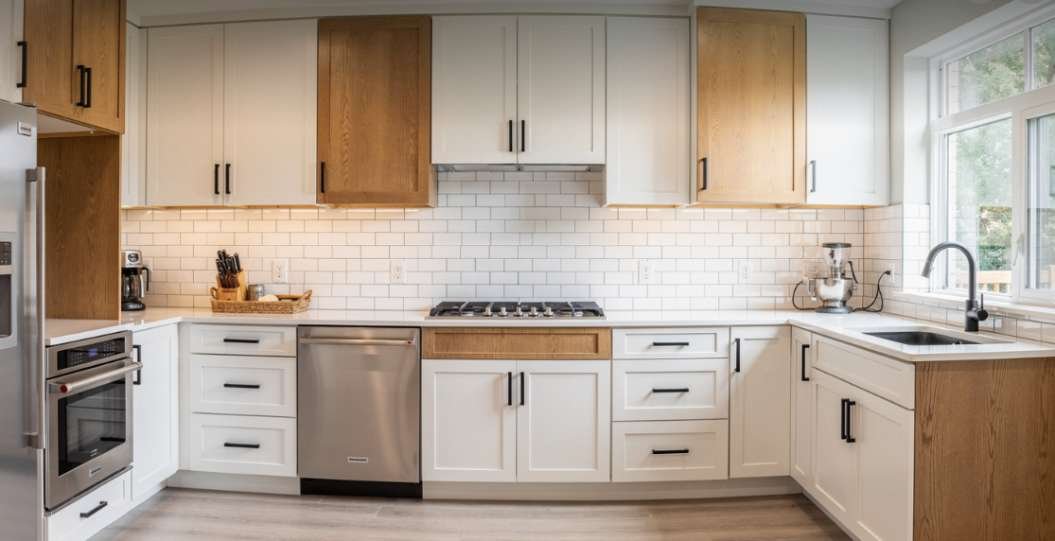
Leaving space above cabinets looked visually lighter at first. A few months later, it became a greasy dust shelf that constantly collected grime.
Ceiling-height cabinets create cleaner lines while adding valuable storage for seasonal appliances and holiday dishes.
That upgrade also made the kitchen appear more custom and expensive without dramatically increasing renovation costs.
Lighting and Electrical Problems That Affected Daily Use
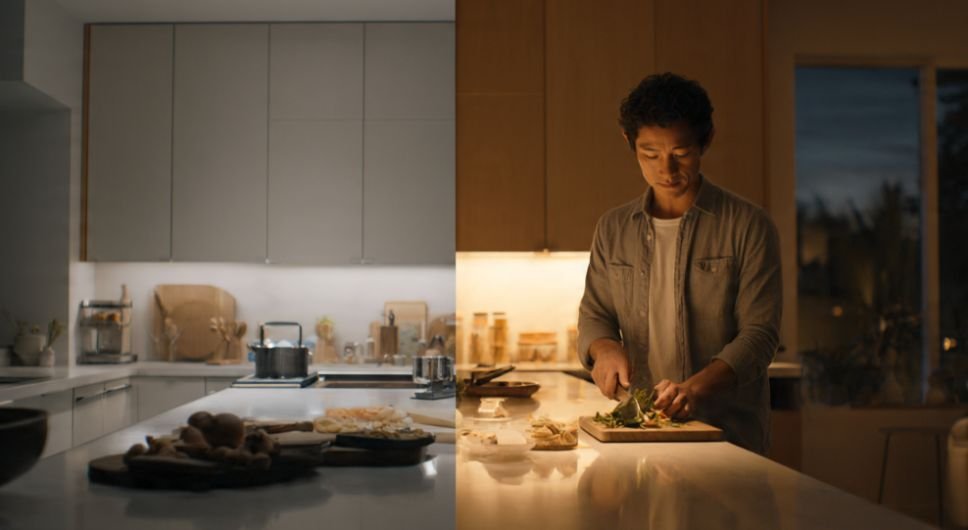
Lighting mistakes are difficult to notice during showroom walkthroughs because display kitchens are professionally illuminated.
Real homes are different.
Poor Task Lighting Created Constant Shadows
One of my biggest frustrations involved countertop shadows during meal prep.
My recessed lights were installed behind my standing position instead of directly above the prep area. Every time I chopped vegetables, my body blocked the light.
Task lighting should sit closer to the outer edge of the countertop, not centered in the walking lane.
The U.S. Department of Energy also recommends layered kitchen lighting for better functionality and energy efficiency.
Not Adding Enough Outlets Caused Long-Term Frustration
Modern kitchens use far more appliances than older kitchens were designed to handle.
Coffee machines, air fryers, mixers, blenders, and charging stations compete for power constantly. I underestimated how annoying extension cords would become later.
Adding outlets every few feet creates a cleaner and safer workspace. Kitchen islands especially benefit from hidden side outlets or pop-up charging stations.
Dedicated 20-amp circuits also help prevent overload problems with high-powered countertop appliances.
The Material Choices That Looked Better Than They Performed
Some remodeling materials photograph beautifully but require exhausting upkeep in real kitchens.
High-Maintenance Countertops Were Harder Than Expected
I seriously considered marble countertops because they looked incredible online.
After researching maintenance requirements, I changed direction.
Porous natural stone stains more easily than many homeowners expect. Acidic foods, oils, and moisture can create permanent marks without regular sealing.
The Natural Stone Institute explains that marble requires ongoing maintenance to preserve appearance and durability.
If you cook frequently, lower-maintenance quartz surfaces often make daily life easier.
Trendy Finishes Aged Faster Than I Thought
The fastest way to date a kitchen is following every short-term design trend.
I noticed that timeless kitchens usually keep expensive elements neutral while adding personality through cheaper, replaceable details like bar stools, rugs, and cabinet hardware.
The 80/20 rule helped me later:
Keep 80% of permanent materials timeless.
Use trends only for easy-to-swap accessories.
That approach protects resale value while preventing renovation regret.
Small Design Details That Quietly Hurt Functionality
Some mistakes looked tiny during planning but became surprisingly irritating during daily use.
Appliance Door Collisions
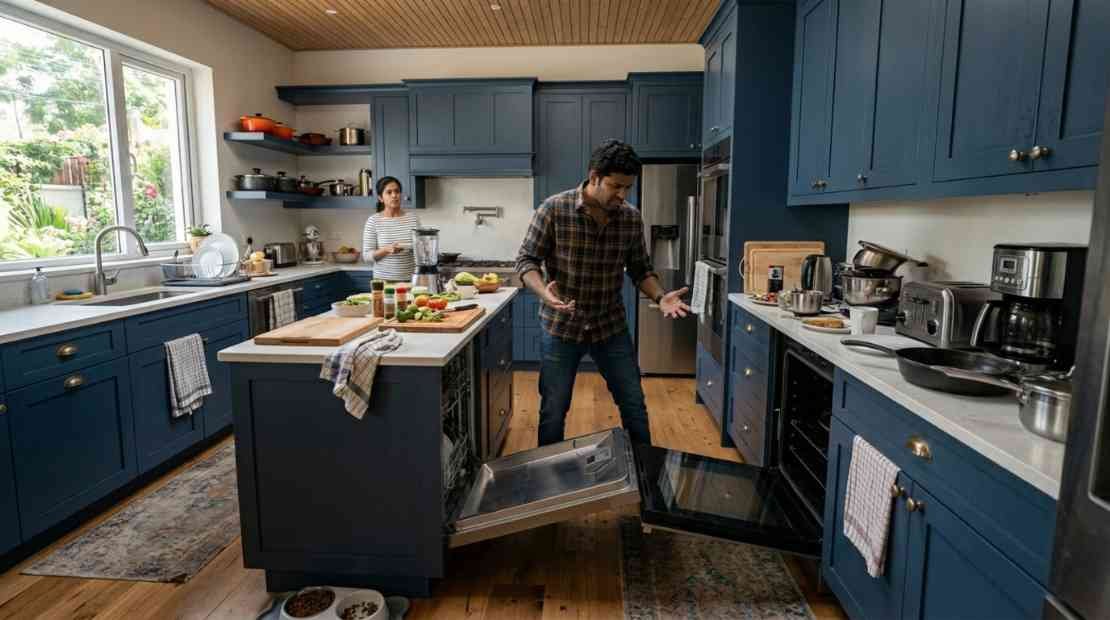
One overlooked clearance issue caused my dishwasher and oven doors to block each other when opened simultaneously.
These problems rarely appear on digital layouts because software cannot fully simulate daily movement patterns.
Now I recommend physically mapping appliance swing zones using painter’s tape before construction begins.
Hidden Storage Features That Slowed Everything Down
I originally liked the idea of hidden drawers inside cabinet doors.
After using them repeatedly, they became annoying.
Opening one door just to access another drawer adds unnecessary motion during cooking. Simple storage systems usually outperform complicated hidden features over time.
Integrated trash pull-outs and prep-zone organization create far more meaningful workflow improvements.
What I Would Do Differently During My Next Remodel
If I remodeled another kitchen tomorrow, I would spend less time studying trendy inspiration photos and more time analyzing daily habits.
I would measure how I move while cooking.
I would test appliance door clearances physically.
I would prioritize storage efficiency over decorative extras.
I would invest more heavily in lighting and electrical planning early.
Most importantly, I would remember that kitchens succeed through usability, not just aesthetics.
A kitchen should reduce stress, not quietly create it.
FAQs
1. What is the biggest kitchen remodel mistake homeowners make?
The most common mistake is prioritizing appearance over functionality. Poor spacing, weak lighting, and inefficient storage create long-term frustration.
2. How much clearance should exist around a kitchen island?
Most experts recommend at least 42 inches of clearance. Busy family kitchens often function better with 48 inches.
3. Are ceiling-height cabinets worth it?
Yes. They increase storage, reduce dust buildup, and create a cleaner built-in appearance.
4. What countertops require the least maintenance?
Quartz countertops are among the easiest to maintain because they resist staining and do not require sealing.
5. Is an island necessary in every kitchen remodel?
No. Smaller kitchens often function better without oversized islands restricting movement.
Your Future Self Will Notice Every Tiny Decision
Kitchen remodels are exciting while they happen. The real test starts months later when daily routines expose every design flaw you overlooked.
The biggest lesson I learned is simple: beautiful kitchens do not automatically feel functional.
Tiny details like walkway spacing, outlet placement, drawer configuration, and lighting angles affect your experience far more than trendy finishes ever will. Before approving any design decision, imagine using that kitchen during a rushed Monday morning, not just during a staged photoshoot.
That mindset alone can prevent years of remodeling regret.