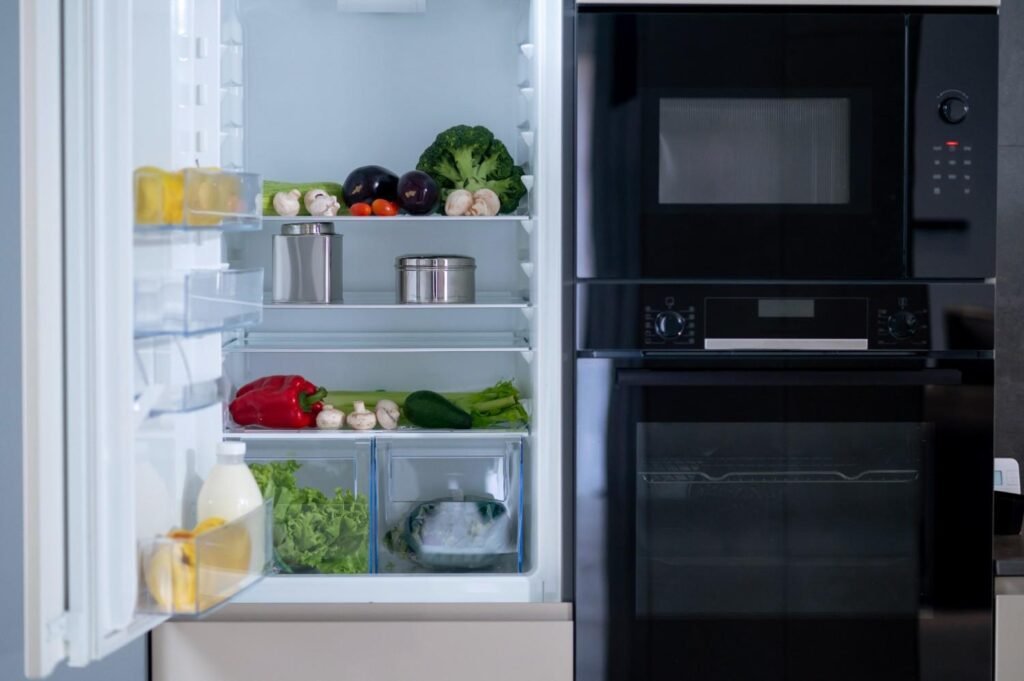
Shopping for a new refrigerator feels very different today than it did a few years ago. Most homeowners are no longer focused only on storage space or exterior design. They also want faster ice production, better organization, and appliances that can handle busy family routines without constant refilling.
That is exactly why the refrigerator with dual ice maker category has become one of the fastest-growing trends in the U.S. appliance market.
After researching the latest models from Samsung, LG, Whirlpool, and other leading brands, I noticed that dual ice systems are now built around real everyday convenience. Many refrigerators can produce two separate types of ice at once while also storing larger backup quantities for parties, holidays, and summer gatherings.
For families that rely heavily on iced drinks and entertainment, these refrigerators are quickly becoming less of a luxury and more of a smart long-term kitchen upgrade.
Why Dual Ice Maker Refrigerators Are Suddenly Everywhere
The popularity of large-capacity French door refrigerators has exploded across the United States. Open-concept kitchens, oversized islands, and entertaining-focused home layouts changed what homeowners expect from appliances. At the same time, many buyers are now prioritizing energy efficient refrigerators that can reduce long-term electricity costs without sacrificing performance.
Manufacturers responded by designing refrigerators that can produce two separate forms of ice at the same time. Most models now combine an in-door dispenser with a secondary freezer ice maker that stores bulk ice reserves.
This setup prevents one of the most common complaints homeowners have with traditional refrigerators: running out of ice during busy weekends or gatherings.
Another reason these refrigerators are dominating appliance showrooms is the growing popularity of specialty drinks in the U.S. market. Cold brew coffee, smoothies, whiskey cocktails, sparkling water, protein shakes, and sports hydration all increase household ice consumption dramatically.
How a Dual Ice Maker System Actually Works

Most modern systems split the ice production between two independent areas.
The primary unit is usually built into the refrigerator door and handles crushed or cubed ice for everyday use. The secondary unit sits inside the freezer drawer and focuses on bulk production or specialty ice shapes.
Some brands take this much further.
Samsung’s Dual Auto Ice Maker produces traditional cubes alongside smaller Ice Bites™ that cool drinks faster. LG’s system creates standard cubed ice plus slow-melting Craft Ice™ spheres designed for cocktails. Whirlpool focuses on maximizing daily ice output while preserving freezer organization.
This two-source design reduces strain on a single ice maker while improving long-term performance consistency.
The Major Brands Leading the U.S. Market
Samsung Dual Auto Ice Maker
Samsung currently dominates online visibility for dual ice maker refrigerators because the company aggressively markets convenience-focused innovation.
The Samsung RF32CG5100SR stands out because of its massive 32 cubic foot capacity and flexible internal layout. Its Dual Auto Ice Maker creates both cubed ice and Ice Bites™, which many families prefer for sports bottles and fast cooling. For homeowners who regularly host guests, this built-in system can reduce the need for a separate countertop ice maker during parties or large gatherings.
I also noticed Samsung models consistently emphasize modern American kitchen aesthetics. Flat-front doors, slide-in shelving, and fingerprint-resistant finishes appear throughout the lineup.
Samsung performs especially well for large households that prioritize storage flexibility and high-volume entertaining.
LG Dual Ice Maker With Craft Ice™
LG took a different approach by targeting premium buyers who care about drink quality and presentation.
The LG LRFXS3106S includes standard dispenser ice plus its famous Craft Ice™ system that creates large spherical ice designed to melt slower in cocktails.
What impressed me most about LG refrigerators was freezer organization. Many models use multi-tier storage systems that separate frozen foods more efficiently than competing brands.
LG also performs strongly in energy efficiency and smart-home integration, which appeals to tech-focused American homeowners.
Whirlpool Dual Ice System
Whirlpool focuses less on flashy marketing and more on practical functionality.
Their low-profile in-door ice compartment preserves refrigerator shelf space while the secondary freezer ice maker handles larger batch production. Some Whirlpool models can generate over 11 pounds of ice daily.
For families who simply want reliability without luxury pricing, Whirlpool remains one of the safest choices in the American appliance market.
ZLINE Luxury Dual Ice Refrigerators
Luxury appliance buyers increasingly look at ZLINE because of its premium finishes and professional-style kitchen appearance.
The ZLINE RSMZ-W-36 combines dual ice functionality with high-end design elements like fingerprint-resistant finishes and luxury panel options.
While these models cost significantly more, they appeal to homeowners building upscale kitchens where aesthetics matter as much as performance.
Quick Comparison of Popular Models
| Brand & Model | Capacity | Ice Features | Best For |
| Samsung RF32CG5100SR | 32 Cu. Ft. | Cubed ice + Ice Bites™ | Large families |
| LG LRFXS3106S | 31 Cu. Ft. | Craft Ice™ + dispenser ice | Entertaining |
| Whirlpool Dual Ice Models | Varies | High-volume dual production | Everyday reliability |
| ZLINE RSMZ-W-36 | 28.9 Cu. Ft. | Internal + external dual ice | Luxury kitchens |
What Most Appliance Blogs Forget to Mention
One thing many review sites ignore is long-term maintenance.
A refrigerator with a dual ice maker has more moving parts, more water flow components, and more filtration requirements than standard refrigerators. That does not necessarily mean poor reliability, but it does mean maintenance matters more.
Water quality becomes extremely important. Hard water buildup can reduce ice production speed over time, especially in homes without filtration systems.
I also discovered that placement inside the kitchen affects performance. Counter-depth models look cleaner visually, but some sacrifice freezer storage space for aesthetics. Standard-depth models typically provide better ice storage and higher production capacity.
Is the Extra Cost Actually Worth It?
For many Americans, yes.
If your household regularly hosts gatherings, drinks iced beverages daily, or has multiple family members using ice throughout the day, the convenience becomes noticeable almost immediately.
However, smaller households may not benefit enough to justify premium pricing.
The smartest buyers are usually families upgrading during a kitchen remodel because the additional cost feels smaller when bundled into a larger renovation budget.
What I’d Personally Look for Before Buying
After reviewing dozens of top-performing models, I would focus on four things first: total ice output, freezer organization, filtration quality, and repair accessibility.
Too many buyers get distracted by touchscreen displays and overlook practical details like shelf flexibility or bin accessibility.
I also think buyers should prioritize brands with stronger U.S. service networks. Fast repairs matter far more than flashy technology when your refrigerator stops making ice during July.
Final Verdict for American Buyers in 2026
The modern refrigerator with dual ice maker is no longer a luxury gimmick. It has become one of the most practical upgrades for busy American kitchens. Many homeowners are also looking for an Energy Star refrigerator that combines high ice production with lower electricity consumption and better long-term efficiency.
Samsung currently offers the strongest balance between innovation and family-friendly storage. LG leads for premium entertaining features. Whirlpool remains the safest reliability-focused option. ZLINE appeals to luxury homeowners prioritizing aesthetics.
The best choice ultimately depends on whether your priority is hosting, storage, specialty drinks, kitchen design, or long-term practicality.