When I remodeled my kitchen, I obsessed over cabinet colors and countertops first. Big mistake. The sink location affected my workflow more than anything else in the room. One bad placement decision turned simple cooking tasks into constant backtracking, dripping floors, and crowded prep zones.
The best kitchen sink placement ideas balance workflow, lighting, plumbing access, storage, and daily habits. A sink should never feel like an obstacle. It should support how you cook, clean, prep, and move through the space.
Why Sink Placement Changes the Entire Kitchen Workflow
Your sink acts as the command center of the kitchen. Most people spend more time there than at the stove.
According to the National Kitchen & Bath Association, efficient kitchens depend heavily on work zones and traffic flow. The sink connects prep, cooking, cleaning, and waste management into one continuous process.
I noticed three immediate improvements after relocating mine:
- Less water dripping across the floor
- Faster cleanup after cooking
- Better prep flow between the fridge, sink, and cooktop
Even a few inches can change how comfortable a kitchen feels.
Best Kitchen Sink Placement Ideas for Different Layouts
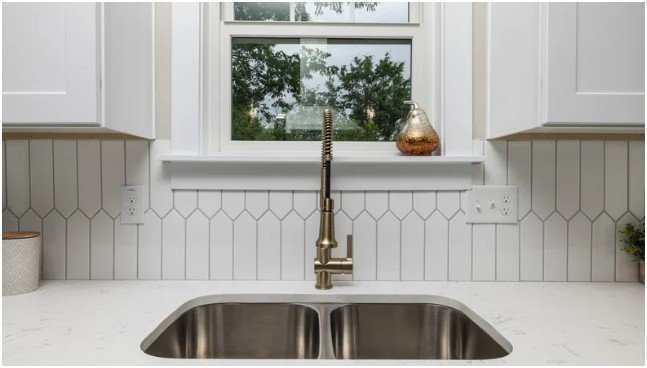
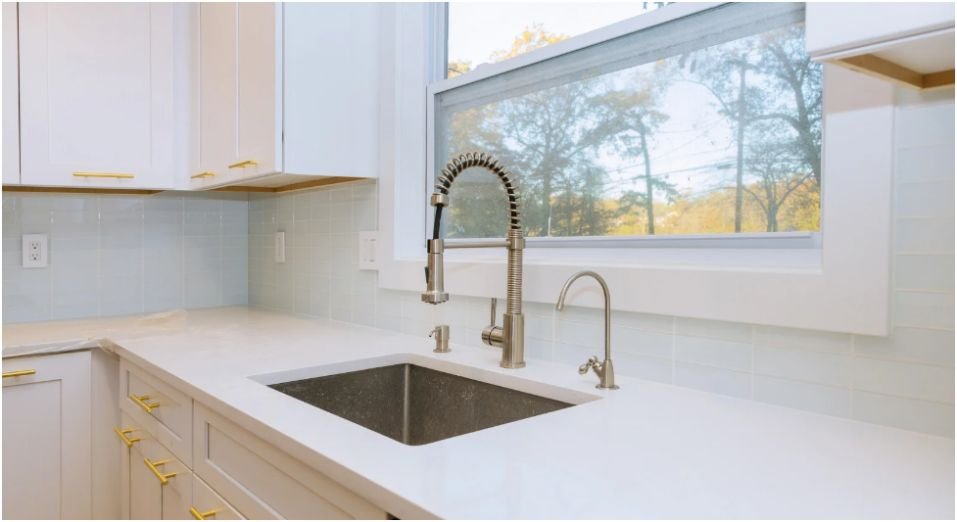
Under a Window
This remains the most popular placement for good reason. Natural light improves visibility while washing dishes and prepping food.
It also creates a visual focal point in traditional kitchens.
For farmhouse or double-bowl sinks, align the faucet with the center divider of the window instead of the entire sink width. That detail creates a much cleaner visual balance.
This setup works best in:
- U-shaped kitchens
- L-shaped kitchens
- Galley kitchens
The downside is reduced upper cabinet space.
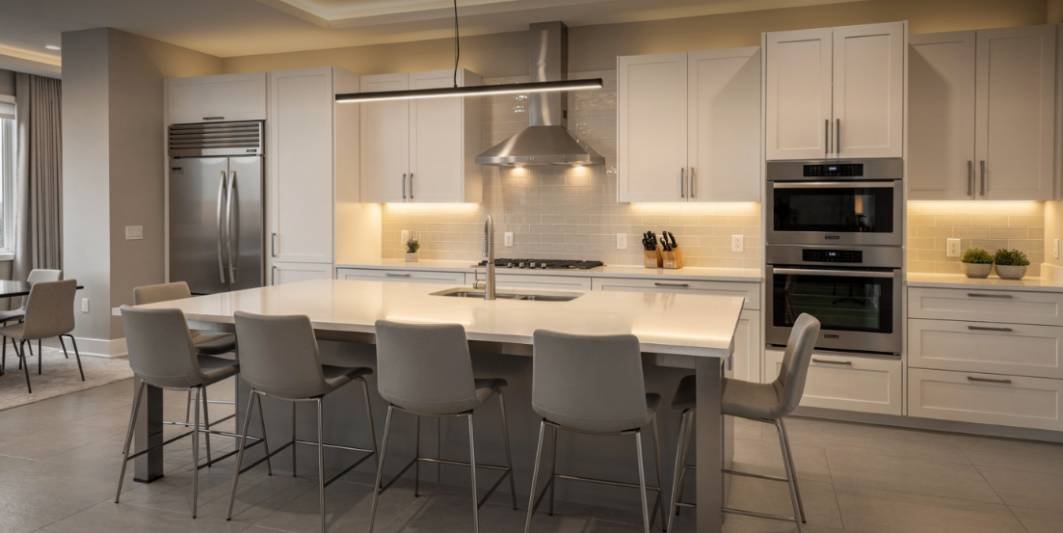
Centered in a Kitchen Island
Island sinks work beautifully in open-concept homes because you can face guests while cooking.
I especially like this layout for families because it keeps the cook socially connected instead of staring at a wall.
However, large double-bowl sinks should never sit dead-center on a small island. They dominate the workspace and expose dirty dishes to everyone nearby.
An island over 8 feet long handles centered sinks best.
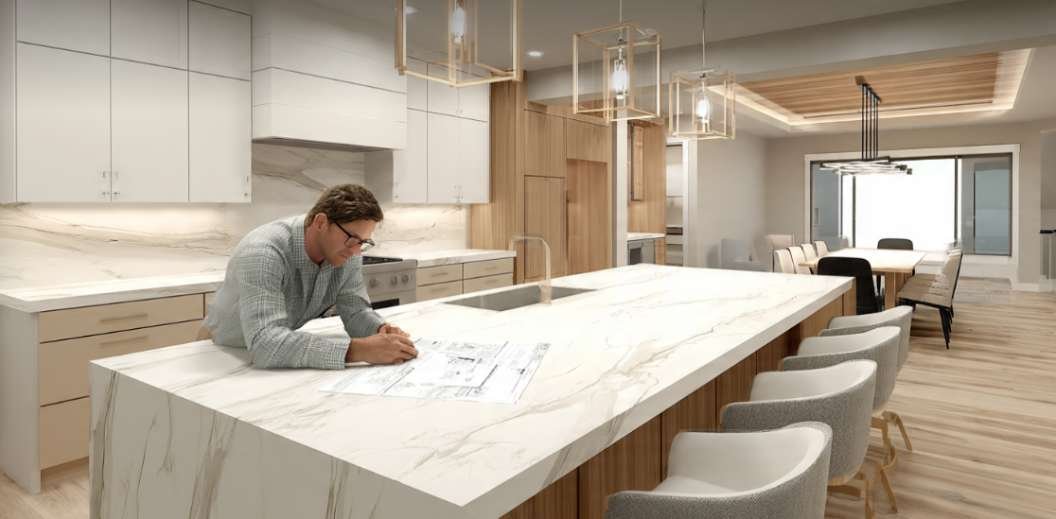
Offset Island Placement
This is one of the smartest modern kitchen sink placement ideas I’ve tested.
Instead of centering the sink, shift it slightly to one side. You preserve a massive uninterrupted prep surface on the opposite side.
Bakers especially benefit from this setup.
It also improves seating flexibility.
Corner Sink Placement
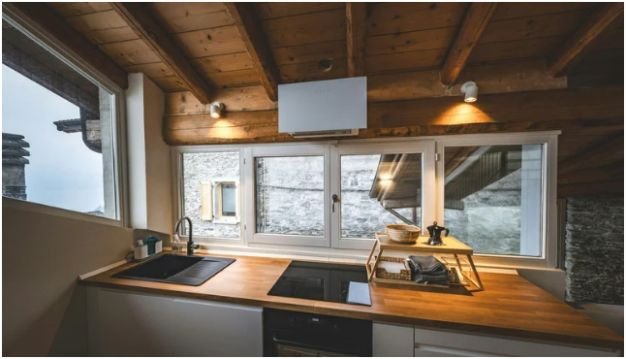
Corner sinks help maximize awkward layouts in compact kitchens.
They work best in:
- Small L-shaped kitchens
- Tight U-shaped kitchens
Still, I avoid placing standard double-bowl sinks here. The angle pushes your body too far from the basin, which creates back strain during long cleanup sessions.
Single-bowl compact sinks perform better in corners.
Dual-Sink Kitchen Layouts
Large kitchens benefit from two separate water zones.
A primary sink handles pots and heavy cleanup while a prep sink manages produce rinsing and handwashing.
This setup reduces traffic jams during busy cooking sessions.
Quick Comparison Table for Sink Placement Options
| Placement Style | Best Layout | Main Advantage | Biggest Drawback |
| Under Window | U-shape, L-shape | Natural light | Less upper cabinet storage |
| Center Island | Open-concept kitchens | Social cooking setup | Visible dish clutter |
| Offset Island | Large islands | More prep space | Requires careful plumbing |
| Corner Sink | Compact kitchens | Uses dead space | Tight standing zone |
| Dual-Sink Layout | Large kitchens | Better workflow separation | Higher plumbing costs |
Double-Bowl Sink Placement Rules Most Homeowners Miss
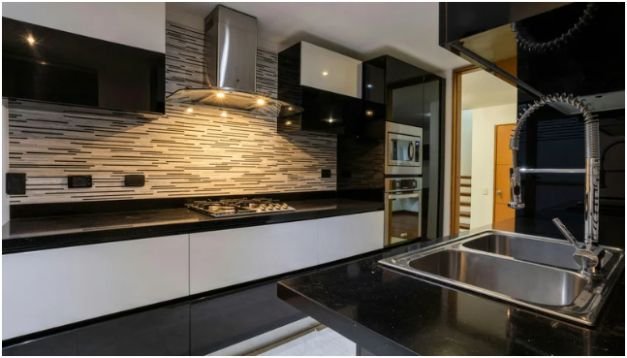
Double-bowl sinks need at least 36 inches of continuous counter width.
Anything less feels cramped immediately.
The Best Counter Space Balance
I recommend:
- 36 inches beside the main wash bowl
- 24 inches on the opposite side for drying
This balance prevents pileups.
The larger basin should sit closest to your main prep zone.
The smaller bowl works best near the trash pull-out or cooking range.
Dishwasher Placement for Right-Handed vs Left-Handed Users
This tiny detail changes everything.
If you are right-handed, place the dishwasher to the right of the sink. You can scrape plates with your left hand and load directly without twisting.
Left-handed cooks should reverse this setup.
Most blogs never mention this ergonomic detail.
Why Corner Double-Bowl Layouts Fail
I’ve tested this layout before. It looks clever on paper but feels exhausting in daily use.
The diagonal cabinet depth forces you to lean forward constantly. That creates shoulder and lower-back strain over time.
Farmhouse Sink Placement Tips That Prevent Expensive Mistakes
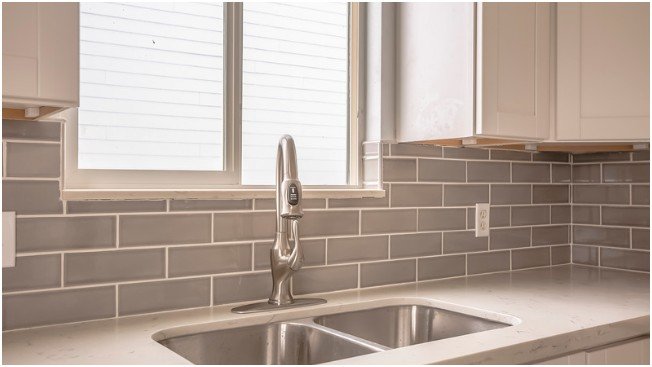
Apron-front farmhouse sinks are extremely heavy.
Fireclay and cast-iron models need reinforced internal support platforms inside specialized base cabinets.
Never rely on countertop mounting alone.
Structural Support Requirements
A farmhouse sink should project about 1.25 to 2 inches beyond the cabinet face.
This prevents water from running directly down cabinet doors.
That single detail can protect thousands of dollars in cabinetry.
Island Placement Tips for Apron-Front Sinks
Farmhouse sinks look stunning in islands, but sharp countertop corners become a hip hazard fast.
Rounded countertop edges solve the problem.
I also prefer two-tier islands because the elevated bar section hides dirty dishes from guests.
Faucet Reach and Cabinet Clearance
Deep farmhouse double-bowl sinks require tall high-arc pull-down faucets.
Short faucets leave food debris trapped in corners.
Also check cabinet door clearance carefully. Some apron fronts protrude enough to block door movement.
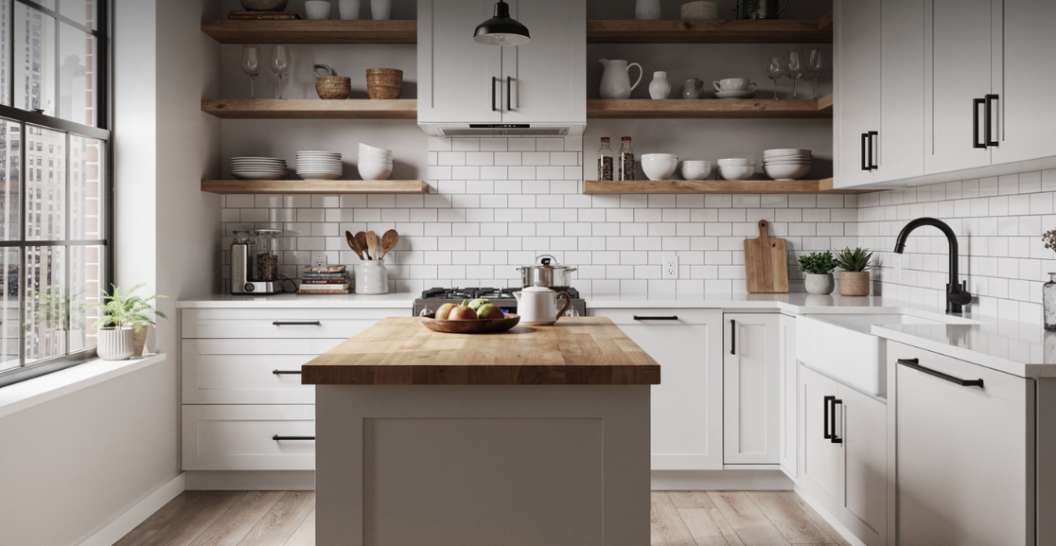
Undermount Farmhouse Sink Ideas for Modern Kitchens
Undermount farmhouse sinks create a cleaner visual line because the countertop fully covers the sink rim.
This installation style demands precision.
Choosing the Right Countertop Reveal
There are three reveal styles:
- Zero reveal creates a seamless flush look
- Positive reveal exposes a thin sink rim edge
- Negative reveal slightly overlaps the sink
I prefer a positive reveal for busy family kitchens because it reduces stone chipping risk.
Plumbing Challenges to Plan Ahead For
Deep undermount sinks lower the plumbing connection point inside the cabinet.
Your wall drain outlet and P-trap must sit low enough to accommodate the extra depth.
Ignoring this detail can create expensive plumbing modifications later.
Why Undermount Designs Simplify Cleanup
This remains my favorite advantage.
You can wipe crumbs, water, and scraps directly into the basin without catching debris on a raised rim.
Many modern sinks also include sliding ledges for cutting boards and drying racks, which saves serious counter space.
Kitchen Sink Placement Mistakes I Would Never Make Again
Separating the dishwasher from the sink creates dripping floors instantly.
Placing the sink directly beside the cooktop removes critical prep space.
Ignoring trash flow slows cleanup dramatically.
One of the smartest upgrades I made was installing pull-out trash beside the sink. Food scraps now move directly from plate to trash to rinse in one motion.
I’d also never skip planning around future cleaning habits.
Pretty layouts fail fast when workflow suffers.
Smart Layout Tips for Small Kitchens
Small kitchens need smarter placement, not bigger fixtures.
In compact layouts:
- Offset sinks preserve prep space
- Single-bowl sinks outperform oversized doubles
- Corner placements work better with compact basins
- Integrated accessories save valuable counter room
If you’re redesigning a tight space, these strategies pair especially well with narrow kitchen remodel ideas that maximize every inch.
Don’t Let Your Sink Ruin the Kitchen Vibe
A beautiful kitchen can still feel frustrating if the sink sits in the wrong spot.
I learned that lesson the hard way.
The smartest kitchens prioritize movement, cleanup speed, prep comfort, and long-term usability before aesthetics alone. Once those elements work together, the entire room feels calmer and easier to use.
If you’re remodeling soon, start with the sink first. Everything else flows around it.
FAQs
1. Where is the best place to put a kitchen sink?
The best location is usually along the longest countertop run or under a window with strong natural light. The ideal spot supports prep flow, cleanup, and dishwasher access.
2. Should a kitchen sink be centered under a window?
Yes, but align the faucet with the window divider instead of forcing the entire sink width into perfect symmetry.
3. Is it better to put a sink in the island?
Island sinks work well in open-concept kitchens because they improve social interaction and visibility while cooking.
4. How much space do you need beside a kitchen sink?
Ideally, allow at least 24 inches on one side and 36 inches on the primary prep side for efficient workflow.
5. Are double-bowl sinks still practical?
Yes. They remain useful for multitasking, soaking dishes, food prep, and separating cleanup tasks in busy households.