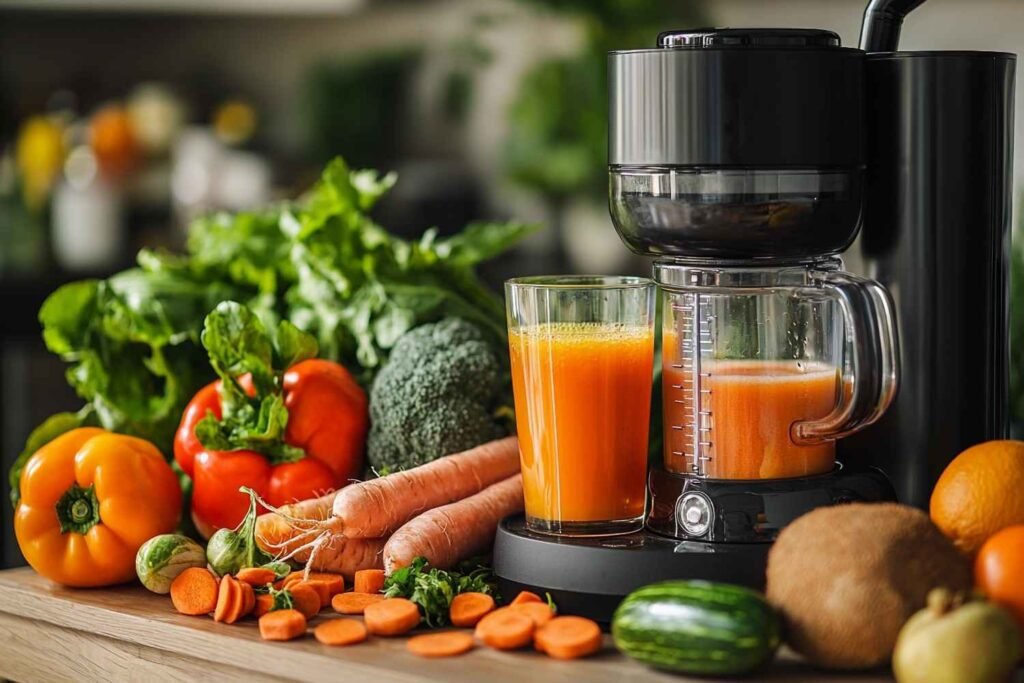
Walking into American kitchens today, I’ve noticed one appliance showing up everywhere: the slow juicer. From morning celery juice routines to post-workout green blends, more people are skipping overpriced bottled drinks and making fresh vegetable juice at home instead.
The problem is that many juicers simply are not designed for serious vegetable extraction. Some clog instantly with kale, others struggle with carrots, and a few leave behind wet pulp that feels like wasted money every single morning.
After researching the best slow juicer for vegetables options dominating the US market, one thing became obvious. The best machines are no longer judged only by juice quality. Modern buyers care just as much about cleanup speed, prep convenience, noise levels, kitchen space, and how efficiently a juicer handles fibrous vegetables like celery and spinach.
That’s exactly why slow masticating juicers continue outperforming traditional centrifugal models in 2026. They produce higher juice yields, preserve freshness longer, minimize foam, and work dramatically better for leafy greens and dense vegetables.
In this blog, I’ll break down the best-performing vegetable juicers available right now, explain which models are actually worth the investment, and help you choose the right machine based on your lifestyle, kitchen setup, and daily juicing habits.
Why Slow Juicers Perform Better for Vegetable Juicing
Slow juicers, also called cold press or masticating juicers, operate at low speeds between roughly 40 and 100 RPM (Revolutions per minute). Instead of shredding produce using fast spinning blades like centrifugal models, they slowly crush and squeeze vegetables to extract juice more efficiently.
I noticed the difference immediately after switching from a centrifugal juicer. My kale yielded far more liquid, celery foam almost disappeared, and the juice stayed fresher much longer inside the refrigerator.
Low-speed extraction matters because excessive heat and oxidation can reduce freshness quickly. A properly designed cold press machine also creates drier pulp, which means you waste less produce over time. Many premium slow juicers now preserve juice quality for up to 72 hours when stored correctly.
For vegetable-focused households in the US, that advantage becomes extremely valuable because produce prices continue rising in many states.
What Is the Best Slow Juicer for Vegetables in 2026?
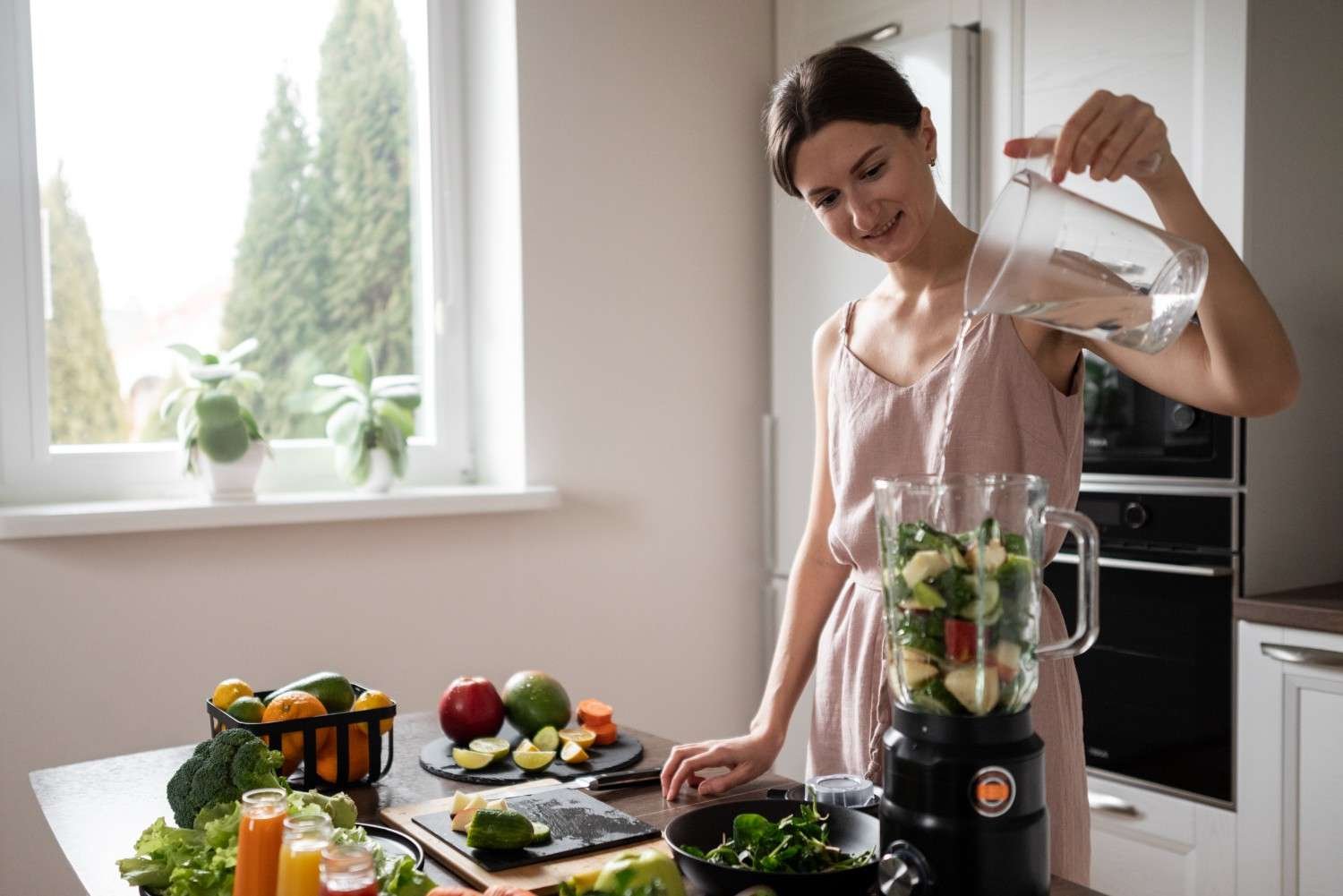
After comparing expert reviews, real customer experiences, juice yield testing, cleanup convenience, and overall performance, the Nama J2 Cold Press Juicer currently stands out as the strongest overall option for serious vegetable juicing.
What separates it from most competitors is the self-feeding batch hopper. Instead of constantly pushing ingredients into the chute manually, I can load celery stalks, kale, cucumber chunks, spinach, carrots, and apples simultaneously before letting the machine process everything automatically.
That sounds like a small feature until you juice daily.
The Nama J2 dramatically reduces preparation time compared to older vertical masticating juicers. Its vegetable pulp also comes out impressively dry, which usually indicates strong extraction efficiency.
For busy American households trying to build healthier routines without adding more kitchen frustration, that convenience matters tremendously.
Top Slow Juicers Dominating the US Market
Nama J2 Cold Press Juicer
The Nama J2 currently dominates premium slow juicer discussions because it balances convenience with exceptional juice quality. The self-feeding hopper transforms the entire experience from tedious prep work into a far more automated process.
It handles leafy greens, carrots, celery, cucumber, spinach, beets, and ginger extremely well while maintaining a quiet operating volume that works nicely in open-concept kitchens.
This model performs especially well for families making larger juice batches several times weekly.
Kuvings REVO830 Whole Slow Juicer
The Kuvings REVO830 excels with dense root vegetables and fibrous produce. Its auto-cutting mechanism actively pulls long vegetables like carrots and celery downward without excessive clogging.
That feature solves one of the biggest frustrations people experience with cheaper masticating machines: wrapped celery fibers jamming the auger system.
The powerful motor combined with its 50 RPM extraction speed creates excellent juice consistency while keeping noise relatively low.
If your primary focus involves carrots, beets, ginger, or celery juice, this machine performs extremely well.
Hurom H400 Easy Clean Slow Juicer
Cleaning determines whether many people continue juicing long term.
That’s why the Hurom H400 stands out so much. Traditional mesh filters often trap vegetable fibers and become frustrating to scrub thoroughly. Hurom replaced conventional strainers with a screenless cleaning system that rinses clean incredibly fast under running water.
I honestly think this design will influence future premium juicer development across the industry.
For Americans who want daily green juice without spending fifteen extra minutes cleaning complicated mesh filters afterward, the Hurom H400 solves a major pain point.
Omega VSJ843RS Vertical Masticating Juicer
Leafy greens remain the Omega VSJ843RS specialty.
Its ultra-slow 43 RPM system tightly squeezes kale, spinach, herbs, parsley, and wheatgrass with impressive efficiency while minimizing foam production. The dual-edge auger design improves extraction while keeping juice texture smoother than many cheaper alternatives.
If your routine revolves around green juice specifically, Omega still remains one of the safest long-term investments.
Ninja NeverClog Cold Press Juicer
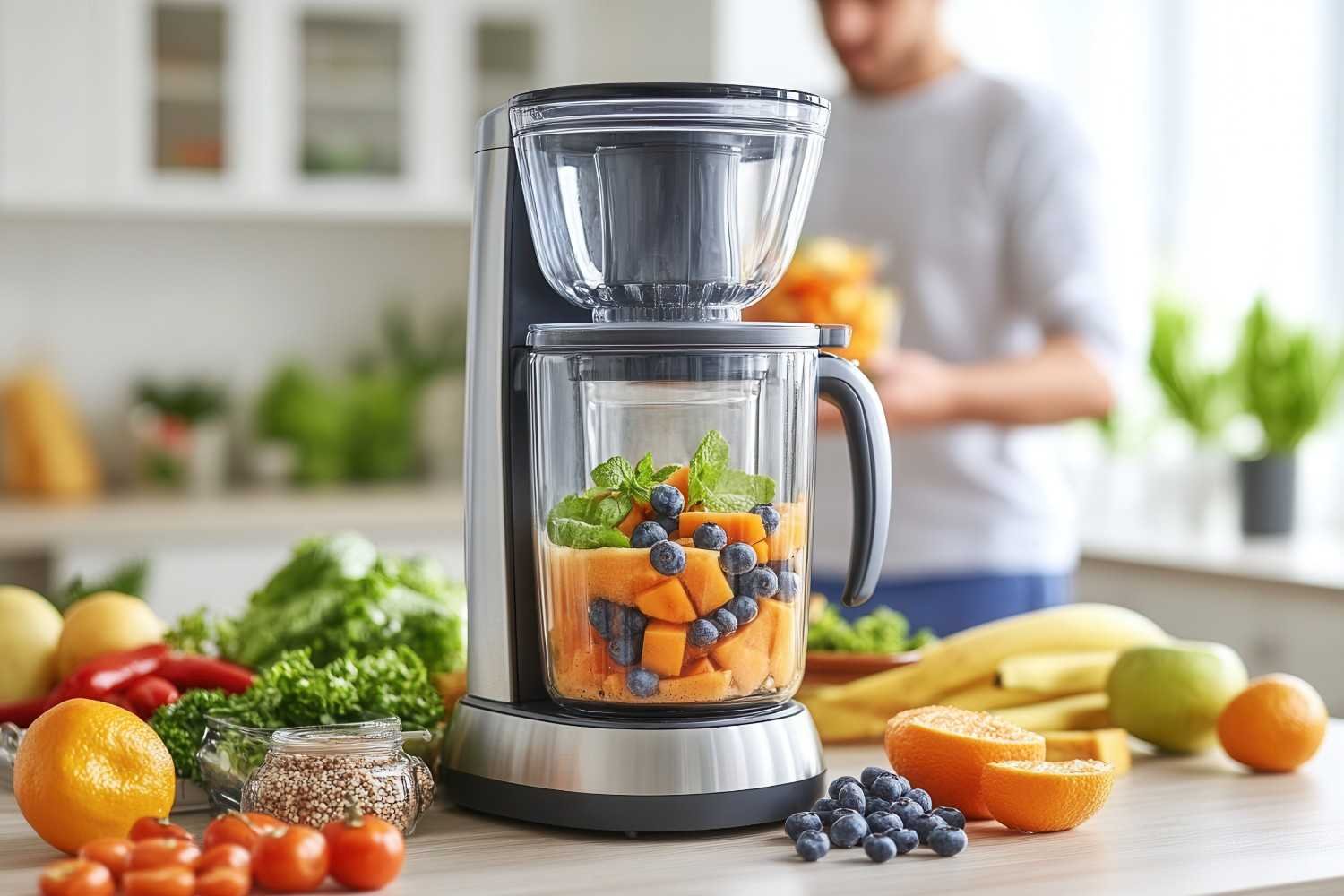
The Ninja NeverClog model proves that vegetable juicing does not require luxury pricing.
While it cannot fully match premium juice yield levels from Nama or Hurom, it still handles everyday vegetables surprisingly well for the price category. Beginners entering the cold press juicing market often prefer this option because it feels approachable, compact, and easier on the budget.
For smaller US apartments or first-time juicing households, it offers solid value while also fitting the growing demand for energy efficient kitchen appliances that support healthier daily routines without increasing power consumption significantly.
Which Vegetables Work Best in Slow Juicers?
Leafy greens benefit enormously from masticating extraction systems because slow crushing works much better than high-speed shredding.
Kale, spinach, parsley, wheatgrass, celery, cucumber, and mint consistently produce smoother juice with higher yields in slow juicers.
Hard vegetables like carrots, beets, and ginger require stronger torque and durable augers, which explains why premium models usually outperform budget centrifugal machines over time.
I also found that slow juicers preserve flavor balance much better. Carrot juice tastes naturally sweeter, celery juice feels less bitter, and green blends develop noticeably less foam.
Slow Juicer vs Centrifugal Juicer for Vegetables
Many American consumers still wonder whether cold press machines genuinely outperform traditional centrifugal juicers.
For vegetables, they absolutely do.
Centrifugal models prioritize speed, but vegetable juicing rewards pressure instead of blade velocity. Fast spinning systems generate more oxidation, create wetter pulp, and struggle badly with leafy greens.
A high-quality slow juicer usually provides:
| Feature | Slow Juicer | Centrifugal Juicer |
| Juice Yield | Higher | Lower |
| Greens Performance | Excellent | Weak |
| Foam Production | Minimal | High |
| Noise Levels | Quiet | Loud |
| Juice Freshness | Longer lasting | Shorter lifespan |
| Cleanup Time | Moderate | Moderate |
| Hard Vegetable Extraction | Excellent | Inconsistent |
Open-concept homes have also changed appliance expectations in the United States. Loud kitchen appliances feel far more disruptive now than they did years ago, which is another reason quiet cold press systems continue growing in popularity.
How to Choose the Right Vegetable Juicer
The best slow juicer for vegetables depends heavily on your actual routine.
If you hate chopping ingredients every morning, batch-loading systems like the Nama J2 or Hurom H400 save enormous amounts of time.
If you mainly juice celery and carrots, active cutting mechanisms like the Kuvings REVO830 prevent clogging more effectively.
If leafy greens dominate your diet, slower RPM systems like the Omega VSJ843RS maximize extraction better than faster machines.
You should also pay close attention to cleaning design. Many buyers focus heavily on motor power while ignoring the reality that complicated cleanup often kills consistency.
The easier the machine feels to clean, the more likely you are to continue using it daily.
Are Premium Cold Press Juicers Worth the Money?
For serious vegetable juicing, yes.
Premium slow juicers generally deliver:
- Better juice yield
- Drier pulp
- Less clogging
- Better leafy green extraction
- Longer warranties
- Quieter operation
- Faster prep systems
- Easier cleaning
Once I started juicing regularly, I realized produce waste becomes expensive quickly when machines extract poorly. A better juicer often saves money long term simply by improving vegetable efficiency.
That matters even more now because grocery prices across the US remain elevated compared to previous years.
Frequently Asked Questions (FAQs)
1. What is the difference between a cold press juicer and a slow juicer?
They are usually the same appliance category. Both use low-speed masticating extraction instead of fast spinning blades.
2. Can slow juicers handle celery and carrots?
Yes. Premium slow juicers handle celery, carrots, ginger, beets, and leafy greens extremely well when equipped with strong augers and torque systems.
3. How long does vegetable juice stay fresh?
Cold press juice can remain fresh for up to 72 hours when stored properly inside airtight glass containers.
4. Are slow juicers difficult to clean?
Older mesh-filter models can require more scrubbing, but newer screenless systems like the Hurom H400 dramatically simplify cleanup.
5. Is a slow juicer worth buying for daily green juice?
Absolutely. Slow juicers extract more liquid from greens, create less foam, preserve freshness longer, and produce better overall vegetable juice quality.
Final Thoughts on Choosing the Right Vegetable Juicer
The best slow juicer for vegetables ultimately comes down to your kitchen habits, cleanup tolerance, and vegetable preferences.
The Nama J2 currently delivers the strongest overall balance of convenience, automation, juice yield, and everyday practicality. Kuvings dominates for dense root vegetables. Hurom makes cleanup dramatically easier. Omega remains exceptional for leafy greens and wheatgrass. Ninja provides a strong budget-friendly entry point for beginners.
For most American households focused on healthier routines, homemade green juice, and better produce efficiency, investing in a quality cold press juicer still feels completely worth it in 2026.
As more consumers prioritize energy efficient kitchen appliances, slow juicers continue gaining popularity because they operate quietly, reduce food waste, and support long-term healthy living habits.