When I first started comparing natural stone surfaces, I quickly realized one thing: the choice is not only about beauty. A countertop has to handle cooking, spills, heat, cleaning, family routines, and everyday mess without becoming a daily headache. That is why Granite vs Marble Countertops is such an important decision for any kitchen remodel.
Both materials look stunning, both feel premium, and both can increase the charm of a home. But they behave very differently once they are installed. Granite is usually tougher and easier to live with, while marble delivers a soft, elegant look that feels timeless and luxurious.
What Is the Main Difference Between Granite and Marble?
Granite is an igneous rock formed from cooled magma. That makes it dense, hard, and highly durable. It usually has a speckled or grainy appearance with a wide range of colors.
Marble is a metamorphic rock stone formed from limestone. It is softer, smoother, and known for its dramatic veining. Marble often creates a more elegant and classic look, especially in bright kitchens, bathrooms, and baking spaces.
The biggest difference comes down to lifestyle. Granite is better for heavy daily use. Marble is better for homeowners who love refined beauty and do not mind extra care.
Appearance: Which One Looks Better?
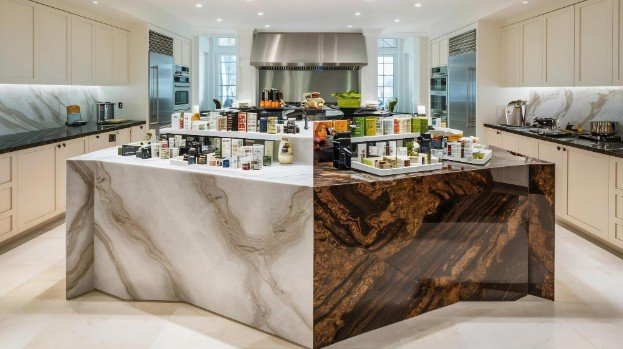
Marble has a polished, graceful look that instantly feels high-end. Its soft veining gives each slab a natural artistic pattern. White marble, especially, remains popular because it brightens a space and pairs beautifully with gold, brass, black, or wood finishes.
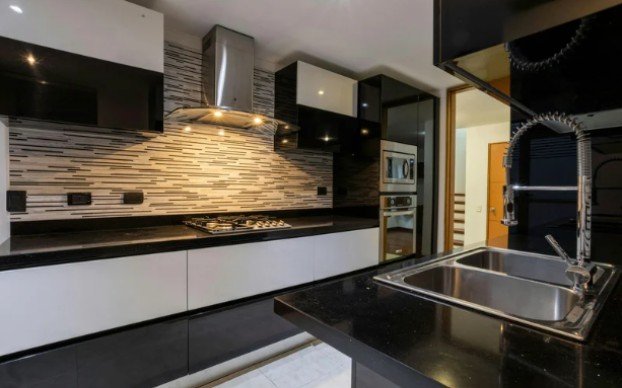
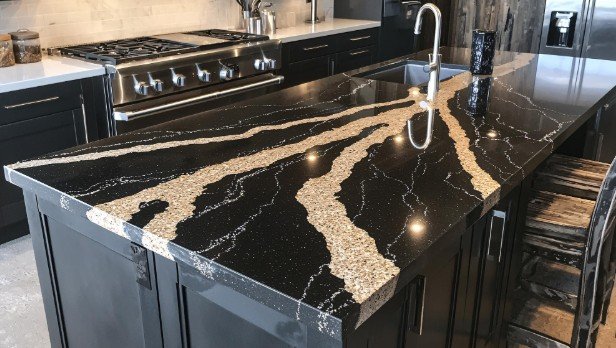
Granite offers more variety. You can find black, gray, white, brown, red, blue, and green tones. Some slabs look subtle, while others have bold movement. If you want a surface that hides crumbs, minor marks, and daily wear better, granite is often the safer choice.
Durability: Which Countertop Lasts Longer?
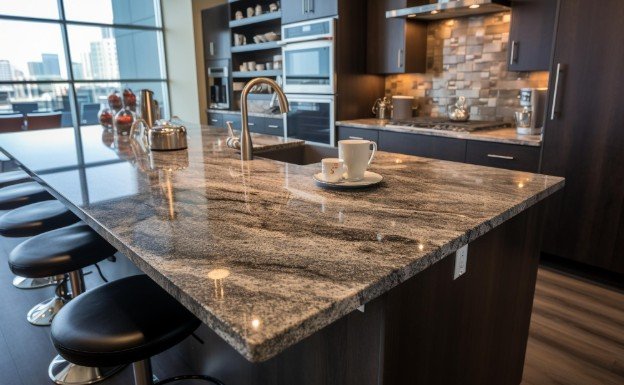
Durability is where granite shines. It resists scratches, chips, and daily kitchen pressure better than marble. If you cook often, have children, host guests, or use your kitchen heavily, granite can handle that routine with fewer worries.
Marble is still strong, but it is softer and more porous. It can scratch, stain, and etch more easily, especially when exposed to lemon juice, vinegar, tomato sauce, wine, or harsh cleaners.
This does not mean marble is a bad choice. It simply means marble needs more careful handling. If you want a countertop that feels easier to maintain over the years, granite is usually the more practical winner.
Maintenance: Which One Is Easier to Care For?
Maintenance is one of the biggest reasons people compare Granite vs Marble Countertops before making a final decision. Granite usually needs sealing, but not constant attention. Daily cleaning with mild soap and water is enough for most kitchens. Once sealed properly, granite resists many common spills and stains.
Marble requires more care. It should be sealed regularly, wiped quickly after spills, and cleaned only with stone-safe products. Acidic foods can leave dull marks known as etching, even if the stone is sealed. If you prefer low-stress cleaning, granite is easier. If you are willing to protect the surface carefully, marble can still be worth it for its beauty.
Stain, Scratch, and Heat Resistance
Granite handles heat better than marble, but using trivets is still smart. Hot pans can damage sealers or cause thermal stress over time.
Marble is more sensitive. It can absorb liquids faster and react badly to acidic ingredients. Coffee, wine, citrus, and oil can become problems if they sit too long.
For scratches, granite again performs better. Marble can develop small marks over time, especially in busy kitchens. Some people love this aged look because it gives marble character. Others find it frustrating.
Cost: Is Granite or Marble More Expensive?
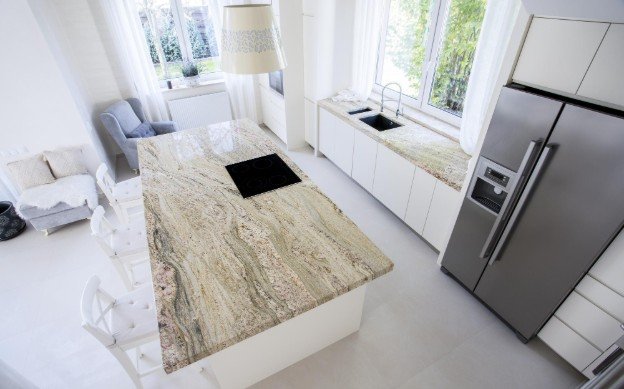
Both stones can range from affordable to very expensive depending on the slab, thickness, rarity, edge design, and installation complexity. Granite is often more budget-friendly, especially in common colors and patterns. Marble can cost more, particularly premium white slabs with bold veining.
Installation also affects price. Cutouts for sinks, waterfall edges, backsplashes, and custom islands can increase the total cost for either material. If budget matters most, granite usually gives better long-term value. If visual luxury matters more, marble may justify the higher investment.
Best Places to Use Granite
Granite works best in hardworking kitchens, family homes, rental properties, outdoor cooking areas, and high-traffic spaces. It is a smart pick when you want strength, stain resistance, and easier upkeep.
It also fits many design styles, including modern, farmhouse, traditional, rustic, and transitional kitchens. Dark granite can create drama, while lighter granite can brighten the room without feeling too delicate.
Best Places to Use Marble
Marble works beautifully in luxury kitchens, bathroom vanities, fireplace surrounds, baking stations, and decorative islands. Bakers often love marble because the cool surface is useful for pastry and dough work.
It is also ideal when the countertop is meant to be a design feature. If you want a soft, elegant, magazine-style finish, marble has a unique charm that granite cannot fully copy.
Which One Adds Better Home Value?

Both granite and marble can improve perceived home value because natural stone feels premium. However, granite often appeals to more buyers because it is durable and easier to maintain.
Marble can attract buyers who love luxury design, but some may worry about stains and upkeep. For broad resale appeal, granite is usually the safer option. For a high-end custom look, marble can make a stronger emotional impression.
Frequently Asked Questions
1. Is granite better than marble for kitchens?
Granite is usually better for kitchens because it is harder, more stain-resistant, and easier to maintain.
2. Do marble countertops stain easily?
Yes, marble can stain if spills are not cleaned quickly. Sealing helps, but it does not make marble completely stain-proof.
3. Which is cheaper, granite or marble?
Granite is often cheaper than marble, although prices depend on slab quality, design, thickness, and installation.
4. Are Granite vs Marble Countertops good for resale value?
Yes, both can support resale value, but granite usually appeals to more buyers because it is easier to care for.
Final Verdict: Which One Should You Pick?
After comparing both materials closely, I would choose granite for a busy everyday kitchen and marble for a space where beauty matters more than low maintenance.
That is the simplest way to decide. Granite is practical, strong, and forgiving. Marble is elegant, timeless, and more delicate. The better choice depends on how you live, how often you cook, and how much care you are willing to give your countertop.
For most active homes, Granite vs Marble Countertops comes down to one honest question: do you want easier maintenance or a more luxurious look?