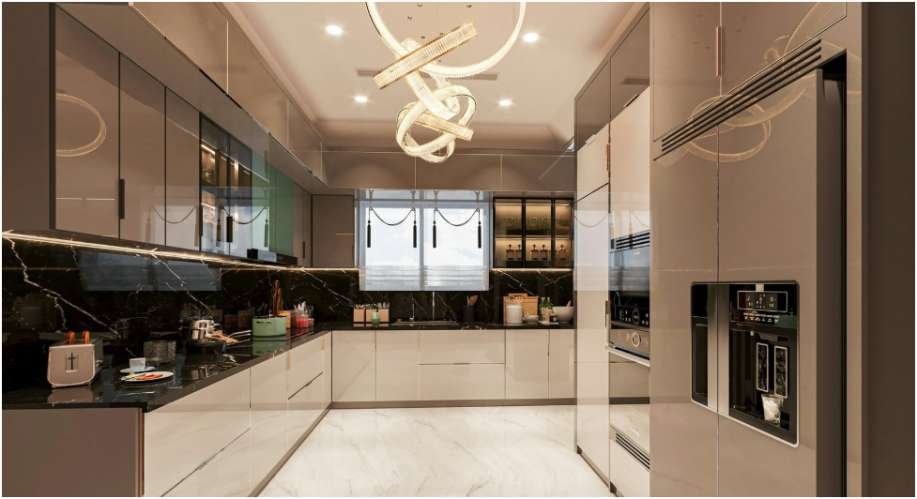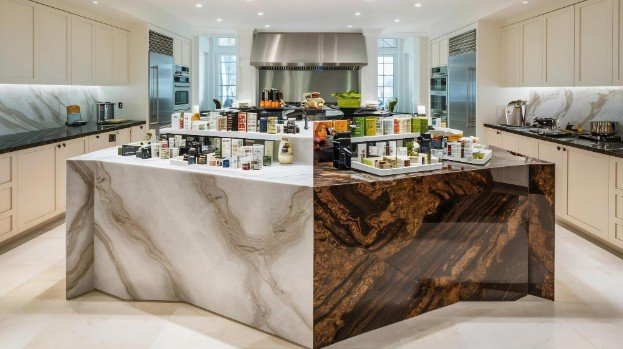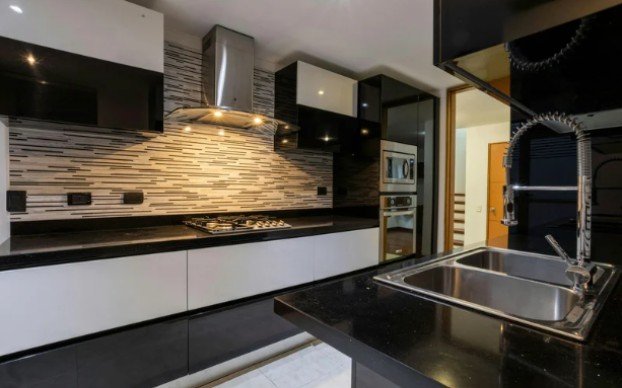
A kitchen instantly feels warmer and more inviting when everyday essentials become part of the design instead of hidden behind bulky cabinetry. Floating kitchen shelves have become one of the smartest upgrades for homeowners who want a cleaner and more open kitchen layout.
After experimenting with different kitchen shelving layouts and styling combinations, it became clear that the right floating shelves can completely transform how a kitchen looks, feels, and functions without requiring a full renovation.
Key Takeaways
- Floating kitchen shelves create a brighter and more open kitchen layout
- Solid hardwood shelves offer the best durability and moisture resistance
- Proper stud anchoring is essential for kitchen shelf safety
- Balanced shelf styling prevents kitchens from looking cluttered
- Combining floating shelves with cabinets creates the most practical design
Why Floating Kitchen Shelves Are Still Trending
Floating kitchen shelves continue growing in popularity because they create a more open and airy kitchen layout. Unlike bulky upper cabinets, they make kitchens feel brighter while keeping everyday dishes and cookware easy to access.
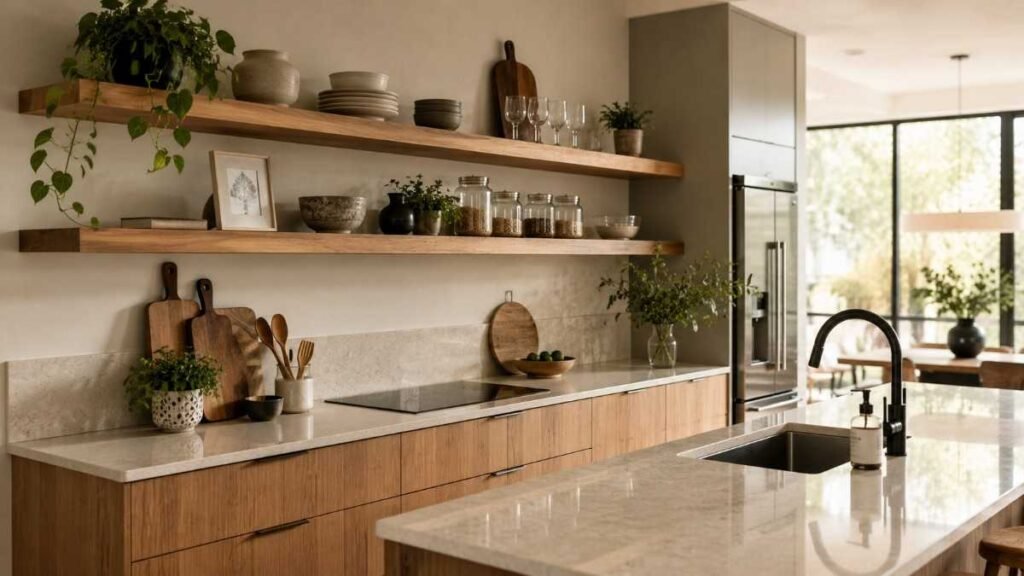
Their versatile design works beautifully in modern farmhouse, Scandinavian, minimalist, and contemporary kitchens. Natural wood finishes like white oak and walnut remain especially popular because they add warmth, texture, and timeless style without making the space feel cramped or overcrowded.
Best Materials For Floating Kitchen Shelves
Choosing the right material impacts both durability and appearance.
Hardwood Floating Kitchen Shelves
Solid hardwood floating kitchen shelves remain a top choice because they handle humidity, daily wear, and heavy cookware better than MDF or particleboard. White oak, walnut, and maple are especially popular for their durability and beautiful natural grain patterns that add warmth to modern kitchens.
These shelves also provide strong structural support for ceramic dishes and serving bowls while creating a high-end designer look.
Stainless Steel And Metal Shelves
Metal floating shelves work perfectly in industrial, contemporary and small kitchen designs. Commercial-grade stainless steel resists heat, water splashes, and cooking oils, making it ideal for busy cooking spaces. Their sleek minimalist appearance pairs beautifully with concrete countertops, dark cabinets, and industrial lighting while offering impressive strength for heavier kitchen storage.
Floating Shelves With Integrated Lighting

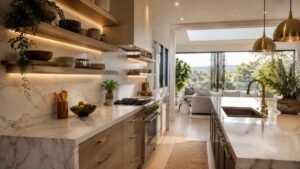
Modern floating kitchen shelves now feature built-in LED lighting for both style and functionality. Under-shelf lighting brightens countertops, improves visibility, and creates a warm layered glow throughout the kitchen. Integrated lighting also highlights decorative dishes, textured backsplashes, and natural wood finishes, making it a growing trend in luxury kitchen design.
Floating Kitchen Shelves Weight Capacity Explained
One of the biggest mistakes homeowners make is assuming all floating shelves can support heavy kitchen items. Decorative shelves designed for lightweight décor often fail under the pressure of stacked ceramic dishes and cookware.
Standard Decorative Shelf Limits
Most lightweight decorative floating shelves support around 20 pounds per bracket section. While this may work for plants or small accessories, it is usually not enough for practical kitchen storage. Overloading weak shelves can lead to sagging, cracked drywall, or complete bracket failure over time.
Heavy-Duty Floating Shelf Systems
Professional-grade floating kitchen shelves use hidden steel plate bracket systems that dramatically increase weight capacity. Depending on shelf depth and length, these heavy-duty systems can safely support between 60 and 250 pounds.
Heavy-duty hardwood shelves are ideal for storing large serving bowls, cast iron cookware, and stacked dinner plates without compromising safety.
Why Stud Anchoring Is Essential
Kitchen shelves should always anchor directly into wood or metal wall studs whenever possible. Drywall anchors alone create a serious long-term risk because ceramic dinnerware and cookware become extremely heavy once shelves are fully loaded.
Professional installers typically recommend using a stud finder before drilling to ensure brackets connect securely to structural framing behind the wall.
Shelf Depth And Spacing Guide
Proper dimensions improve both function and aesthetics.
Ideal Shelf Depth For Kitchens
Most floating kitchen shelves range between 10 and 12 inches deep. This depth comfortably supports full-sized dinner plates, serving bowls, and glass containers without dangerous overhang.
Shallower shelves around 8 inches deep work best for spices, coffee mugs, and decorative styling pieces. Oversized shelves can overwhelm smaller kitchens and reduce visual openness.
Recommended Shelf Height
Designers usually position floating shelves around 18 inches above countertops. This spacing allows enough room for small appliances while keeping shelves visually connected to the kitchen workspace.
Shelves installed too high often feel disconnected from the rest of the kitchen design and become less practical for daily use.
Balance Open Space Carefully
One reason some floating kitchen shelves look cluttered is poor spacing. Leaving enough empty wall space around shelving helps kitchens feel lighter and more intentional.
Professional kitchen stylists rarely fill shelves completely. A balanced arrangement creates a cleaner and more luxurious appearance.
How To Style Floating Kitchen Shelves
Thoughtful styling transforms shelves from storage into a design feature.
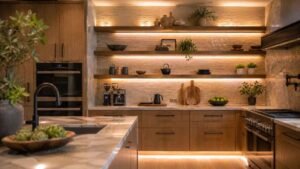
Start by placing practical kitchen essentials first instead of decorative objects. Neutral dishes, stacked bowls, clear glassware, and wooden cutting boards create a more authentic and organized appearance.
Repeating similar colors and materials across shelves improves visual flow. Matching ceramic plates, amber glass jars, and warm wood accents create a cohesive kitchen design without looking overly staged.
Plants and textured accessories add softness, but too many decorative pieces can quickly create clutter. Leaving around thirty percent of shelf space empty usually creates the most balanced result.
Mixing vertical and horizontal objects also helps shelves feel dynamic rather than flat. Leaning artwork, layered cookbooks, and varied dish heights create depth without overwhelming the kitchen.
How To Install Floating Kitchen Shelves
Correct installation ensures safety and long-term durability.
Before installation begins, determine whether the shelves will hold decorative items or heavy kitchen essentials. Functional kitchen shelving requires stronger brackets and more secure wall anchoring.
Locate wall studs carefully using a stud finder before drilling. Heavy-duty hidden brackets should anchor directly into studs whenever possible to maximize stability and weight capacity.
After marking placement lines, maintain around 18 inches between countertops and shelves for comfortable access. Use a level throughout installation because uneven shelves become extremely noticeable in kitchens where countertops and cabinetry create strong horizontal sightlines.
Once brackets are secured, slide the floating shelves onto the hardware and tighten all fasteners firmly. Testing the weight capacity before styling shelves is always recommended.
Floating Kitchen Shelves Vs Upper Cabinets
Completely replacing upper cabinets with open shelving may look beautiful online, but it does not work for every household. Families with limited pantry storage often still need concealed cabinetry for appliances, food storage, and kitchen clutter.
A balanced kitchen design typically combines floating kitchen shelves with built-in cabinets. Open shelves around windows, coffee stations, or backsplashes create openness while cabinets maintain practical hidden storage. This blended approach feels more timeless and functional than fully exposed kitchen shelving layouts.
Frequently Asked Questions
1. What are the drawbacks of floating kitchen shelves?
Floating kitchen shelves require regular cleaning and organized styling. Dust, grease, and visible clutter can become noticeable faster than with traditional upper cabinets.
2. Are floating shelves out of style in 2026?
No. Floating kitchen shelves remain highly popular in 2026, especially in modern farmhouse, Scandinavian, and minimalist kitchen designs.
3. Are floating shelves in the kitchen out of style?
Not at all. Designers now use floating kitchen shelves more strategically alongside cabinets for a cleaner and more practical balance.
4. What is the best floating shelf?
Solid hardwood floating kitchen shelves with hidden steel support brackets offer the best durability, appearance, and long-term weight capacity.
The Final Shelf Talk
Floating kitchen shelves continue proving that smart kitchen design can feel both beautiful and functional at the same time. With the right materials, strong installation methods, balanced styling, and thoughtful spacing, floating kitchen shelves create a modern open-concept kitchen that feels brighter, more organized, and far more welcoming. Whether the goal is a cozy farmhouse kitchen or a sleek contemporary layout, well-designed shelving remains one of the most impactful kitchen upgrades available today.